Encourage multi-stems
When plants are 15–20 cm tall, pinch out the soft tip of each main stem once to encourage a bushier, multi-stemmed habit that resists lodging and produces more flowering shoots.

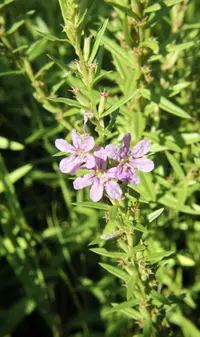
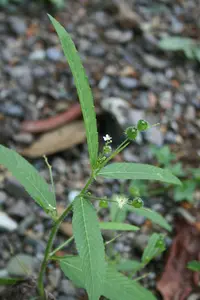
Winged lythrum (Lythrum alatum) is a hardy herbaceous perennial wildflower native to North America, commonly found in moist prairies, wet meadows, and stream edges. It forms upright, branching stems with narrow leaves and small pink to purple flowers along the upper portions of the stems in summer.
The plant has a graceful, open habit and typically grows in small clumps rather than dense masses. It is generally easy to grow if given consistent moisture and a sunny to lightly shaded site.
Winged lythrum tolerates periodic flooding and heavier soils, which makes it suitable for rain gardens and naturalized wet areas. Understanding how to care for winged lythrum starts with providing steady moisture and avoiding very dry, exposed locations.

Care Difficulty
Moderate Care

Light Preference
Full Sun

Water Requirements
Keep Soil Moist

Temperature Preference
Cold Hardy

Hardiness Zone
4–9

Soil Texture
Loamy, Clay, Silty

Soil pH
Acidic (5.5–6.5), Slightly acidic (6.5–7.0)

Soil Drainage
Waterlogged tolerant

Fertilization
Minimal (feed rarely)
Scan your plant to receive care tips personalized for your specific plant
Available on iOS and Android
This moisture-loving perennial thrives in open sites with consistent, direct light in most temperate gardens.
This streamside species prefers constantly moist soil and does best where drying is minimal.
This hardy perennial tolerates a wide range of outdoor temperatures typical of temperate climates.
This wetland perennial prefers consistently moist air but tolerates typical outdoor humidity levels.
This species prefers consistently moist, fertile soil with a soft, loamy structure.
This plant can be grown in containers if the potting setup maintains constant moisture without waterlogging.
Lythrum alatum grows well in average, moderately fertile soil and usually needs only light feeding.
Pruning Lythrum alatum is useful to maintain a tidy shape and encourage strong flowering.
Winged lythrum is most often grown in garden beds, where occasional transplanting keeps clumps vigorous.
Lythrum alatum is commonly propagated by seed and by division of mature clumps.
This hardy perennial usually needs minimal winter care in its suitable climate range.

Plant Health Check
Not sure what's wrong with your plant? Check your plant's health inside the app.
This species is naturally restricted to wet prairies, fens, and marshy meadows in central and eastern North America, where it grows in seasonally saturated but not permanently flooded soils.
Its nectar-rich purple flowers are an important mid- to late-summer resource for native bees, butterflies, and other insects, supporting pollinator communities in open wetland habitats.
Although still widespread in some regions, this plant is listed as threatened or endangered in several U.S. states because of wetland drainage, habitat fragmentation, and competition from aggressive invasive species.

Unlike the closely related invasive purple loosestrife, this species tends to occur in smaller, more scattered populations and does not form dense monocultures, so it is considered ecologically compatible with native North American wetland plant communities.
This species forms clumps and can self-seed in suitable moist sites, but it is not usually aggressive like purple loosestrife. Deadhead spent flowers before seeds ripen if you want to limit natural spreading.
Keep your plants happy and healthy with plant identification, disease detection, and easy care guidance.