sacatrapo Care (Caperonia palustris)

sacatrapo

About sacatrapo

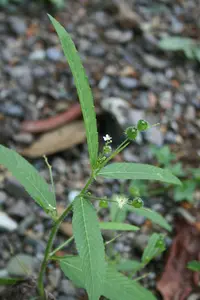
Sacatrapo, Caperonia palustris, is a moisture-loving annual herb often found in wetlands, ditches, and the margins of ponds and slow-moving streams. It is native to the Americas and behaves as a weed in many warm, lowland areas.

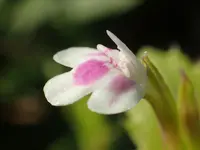
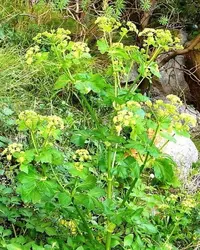
The plant has upright, branching stems with rough, often sticky hairs and simple, serrated leaves that give it a coarse texture. Small, inconspicuous flowers appear along the stems and can produce many seeds.

Because it thrives in disturbed, wet soils and spreads quickly by seed, it can be persistent where conditions suit it. Understanding how to care for sacatrapo starts with recognizing its preference for consistently moist sites and full to partial sun, which strongly influences its vigor and spread.


Main Plant Requirements

Care Difficulty

Moderate Care

Light Preference

Full Sun

Water Requirements

Aquatic

Temperature Preference

Tropical / Frost Sensitive

Hardiness Zone

8–11

Soil Texture

Sandy, Loamy, Silty

Soil pH

Acidic (5.5–6.5), Slightly acidic (6.5–7.0)

Soil Drainage

Waterlogged tolerant

Fertilization

Minimal (feed rarely)

Get Personalized Care Plan

Scan your plant to receive care tips personalized for your specific plant

Available on iOS and Android

How to Care for the sacatrapo

This wetland annual prefers strong sun but tolerates some shade in hot climates.

  • Aim for 6–8 hours of direct sun, ideally with morning sun and some light afternoon shade in hotter regions to prevent leaf scorch on sacatrapo.
  • In cooler or coastal areas, full sun all day promotes compact growth and higher vigor, while dense shade leads to weak, elongated stems and sparse flowering.
  • In late spring and summer, avoid sudden shifts from shade to full sun; harden plants over 7–10 days to reduce sunburn risk.

This marsh species thrives in consistently moist to wet conditions without long dry spells.

  • Maintain soil that stays damp to saturated, allowing only the top 1–2 cm to dry between soakings in more controlled sites such as managed ditches or rain gardens.
  • During hot, windy periods, watch for slight leaf droop or dulling color as a cue to re-wet the root zone rather than following a fixed schedule.
  • Cut back added water slightly in cooler months, but do not allow prolonged dryness; yellowing, soft stems can indicate chronic overwatering in poorly drained soils.

This species grows best in warm, frost-free conditions typical of long summers.

  • Optimal growth occurs around 70–90°F (21–32°C), with fastest development in consistently warm, humid weather.
  • Plants are very sensitive to cold; growth slows below 60°F (16°C), and frost at 32°F (0°C) or lower can kill foliage outright.
  • In heat above 95°F (35°C), ensure ample soil moisture; high temperatures are tolerated if roots remain wet, but prolonged hot, dry spells can stunt growth or cause dieback.

This wetland annual prefers high humidity and suffers in prolonged dry air.

  • Aim for 60–80% humidity, which better matches its natural marshy habitat than typical indoor levels.
  • Caperonia palustris tolerates brief dips to 40–50%, but crispy leaf edges and slowed growth signal humidity stress.
  • Increase moisture around sacatrapo with grouped pots, shallow water trays with pebbles under outdoor containers, or frequent light misting in hot, dry weather.

This species prefers saturated, organic-rich soil that mimics marsh or bog conditions.

  • Use a heavy mix of 60–70% peat or coco coir plus compost, blended with 30–40% sand or fine grit to keep structure while staying wet.
  • Soil should hold water continuously yet avoid foul, anaerobic odor; very fast-draining potting mixes are unsuitable.
  • A slightly acidic pH around 5.5–6.5 supports nutrient availability and reflects typical wetland conditions for Caperonia palustris.
  • To improve aeration in very dense substrates, incorporate fibrous organic matter such as shredded bark or leaf mold rather than large amounts of perlite.

This marsh plant can be grown in containers if kept consistently wet and stable.

  • Choose a deep, wide container that can hold a water reservoir without tipping when the upper mix becomes heavy and saturated.
  • Use a sturdy plastic or glazed pot, which slows evaporation and helps maintain the constant moisture this species expects.
  • If drainage holes are present, stand the pot in a shallow external tray of water so the bottom layer of mix remains continuously saturated.

Caperonia palustris is a vigorous wetland species that needs only light feeding when grown in containers or nutrient-poor substrates.

  • Use a balanced, diluted liquid fertilizer (around 10-10-10 at 1/4–1/2 strength) or a very light top-dressing of compost in spring.
  • Feed container plants every 4–6 weeks during the active growing season if growth appears weak or foliage pale.
  • Avoid high rates of slow-release fertilizer, which can cause lush, floppy growth and reduce stress tolerance.
  • Stop feeding in late summer to early fall so sacatrapo can harden growth before cooler conditions.

Caperonia palustris benefits from light, targeted pruning mainly to manage size and maintain plant health.

  • Carry out pruning in late winter to early spring, before vigorous new growth starts.
  • Remove dead, damaged, or diseased stems first, then thin crowded shoots to improve air flow and light penetration.
  • Shorten excessively tall or leaning stems to encourage a bushier habit and stronger new shoots.
  • Use clean, sharp hand pruners and make angled cuts just above a node to reduce infection risk.

This species is more often transplanted in wet garden areas or restoration sites than kept long term in pots.

  • Plan transplanting for spring, once soil is workable and warming, to give roots a full growing season to re-establish.
  • Look for signs such as roots circling the container, water running off quickly, or noticeably slowed growth in confined pots.
  • Move up only 1 container size, keeping the root ball intact; gently loosen outer roots but avoid heavy disturbance to the core.
  • Water thoroughly before and after transplanting, then keep soil evenly moist and shaded for several days to limit transplant shock.

Caperonia palustris is usually propagated from seed, which allows rapid production for wetland plantings.

  • Collect ripe seeds at the end of the growing season and store dry and cool until spring sowing.
  • Sow seeds on or just below the surface of a moist, fine-textured substrate and keep at 68–75°F with consistent moisture.
  • Provide bright, indirect light and good air circulation; avoid waterlogging, which reduces germination and promotes damping-off.
  • For small-scale projects, direct-sow in prepared, consistently moist ground in late spring after frost risk has passed.

In mild, frost-free climates this species needs little dedicated winter care beyond normal moisture management.

  • In regions with light frost, apply a 5–8 cm layer of organic mulch around the base to buffer root temperature.
  • Where hard freezes occur, treat as an annual or allow reseeding rather than relying on perennial survival.
  • Container plants in marginal climates can be overwintered in a cool, frost-free, bright space with soil kept just barely moist.

Care Tips

Container containment

In regions where it can spread aggressively, grow Caperonia palustris in large, smooth-sided containers set on solid surfaces so roots and self-sown seedlings are easier to monitor and remove before they escape into nearby wetlands or ditches.

Seedling management

Check soil surfaces every 1–2 weeks during warm months and gently pull or hoe out volunteer seedlings while they are under 5 cm tall to prevent dense, hard-to-remove thickets from forming.

Protective handling

Wear nitrile gloves and long sleeves when handling or thinning plants, because the glandular hairs can irritate skin, and wash exposed areas with soap and water immediately after work.

Targeted pest scouting

Inspect the undersides of leaves and young stems every 7–10 days for aphids, leaf-chewing caterpillars, and spider mites, and remove early infestations with a strong water spray or a labeled insecticidal soap before damage multiplies.

Seasonal stand renewal

In frost-free areas, cut older stands back to 10–15 cm at the beginning of the warm rainy season and remove the debris, which encourages a flush of cleaner, more vigorous regrowth and reduces carryover of pests and disease when caring for sacatrapo.

Common Pests and Diseases

Leaf beetles

These insects feed on foliage, often creating numerous small to medium holes and ragged leaf edges, especially in wetland or ditch populations.

Solution

Handpick adults and larvae into soapy water where practical, and reduce nearby weedy hosts to break their life cycle; in heavier infestations, use a targeted foliar spray with a labeled pyrethroid or spinosad product, applied in calm, dry weather and kept off nearby water when possible.

Flea beetles

These insects cause scattered shot-hole damage and fine pitting in leaves, with injury often most visible on young growth in sunny, open sites.

Solution

Limit nearby weedy vegetation, especially other broadleaf weeds in the Euphorbiaceae and surrounding ditch margins, and if damage is ongoing protect young plants with lightweight row cover or apply a low-residual insecticide such as spinosad or neem oil during periods of peak adult activity.

Rust

This disease produces small yellow to orange spots on upper leaf surfaces with powdery pustules on the undersides, leading to premature leaf yellowing and drop in humid conditions.

Solution

Remove and destroy heavily infected leaves to reduce spore load, avoid persistent overhead wetting if growing sacatrapo in controlled settings, and if rust becomes recurrent treat remaining foliage with a sulfur or copper-based fungicide labeled for ornamental use, following all safety and interval directions.

Leaf spot

Symptoms include irregular tan to brown lesions that may have darker margins and can merge to blight large portions of the leaf, especially during periods of warm, stagnant moisture.

Solution

Prune and discard affected leaves, increase spacing and airflow around plants, and if leaf spots continue to spread apply a broad-spectrum fungicide such as chlorothalonil or copper, ensuring thorough coverage of both upper and lower leaf surfaces.

Interesting Facts

Aquatic weed in rice

This species is a serious weed in flooded rice fields in parts of the Americas, where its ability to tolerate standing water allows it to outcompete young rice plants and reduce yields.

Stinging leaf hairs

The leaves and stems bear glandular hairs that can irritate human skin, causing mild dermatitis in some people who handle the plant without protection.

Wetland habitat specialist

In the wild, this plant typically grows in marshes, ditches, pond margins, and other shallow-water habitats, where it thrives in saturated or seasonally flooded soils.

Botan icon

Did you know?

In some regions of the southeastern United States, this species has expanded aggressively along disturbed shorelines and drainage canals, altering native wetland plant communities and complicating aquatic weed management programs.

FAQs about sacatrapo

This species self-seeds heavily and can spread quickly, especially in wet or disturbed soils. In favorable conditions it may form dense patches. Regular removal of unwanted seedlings and monitoring boundaries helps keep it from overtaking nearby planting areas.

Grow Healthy Plants with Botan Care

Keep your plants happy and healthy with plant identification, disease detection, and easy care guidance.

Botan plant care app — identify plants on mobile

Explore More Plants