sticky purple geranium Care (Geranium viscosissimum)

Also known as: sticky geranium, Sticky Purple Crane's-bill
sticky purple geranium

About sticky purple geranium

Sticky purple geranium (Geranium viscosissimum) is a hardy, clump-forming perennial wildflower in the geranium family. It is known for its sticky stems and foliage, which can trap small insects.

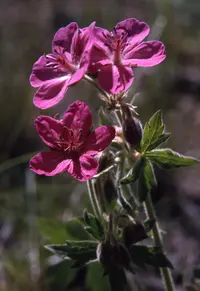
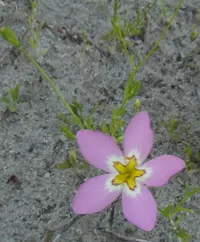
Plants produce soft pink to purple, veined flowers above divided, slightly hairy leaves and typically grow in loose, spreading mounds. The overall look is informal and naturalistic.

This species is native to western North America, where it grows in meadows, open woods, and mountain slopes. It adapts well to garden conditions when given sun to light shade, moderate moisture, and well-drained soil.

Its toughness, cold tolerance, and modest water needs make it relatively easy to care for sticky purple geranium in many temperate gardens.

Main Plant Requirements

Care Difficulty

Easy Care

Light Preference

Full Sun

Water Requirements

Moderate Water

Temperature Preference

Cold Hardy

Hardiness Zone

4–8

Soil Texture

Sandy, Loamy, Rocky

Soil pH

Slightly acidic (6.5–7.0), Neutral (7.0)

Soil Drainage

Well-drained

Fertilization

Minimal (feed rarely)

Get Personalized Care Plan

Scan your plant to receive care tips personalized for your specific plant

Available on iOS and Android

How to Care for the sticky purple geranium

This hardy perennial prefers full sun with some tolerance for light shade in hot regions.

  • Aim for 6–8 hours of direct sun daily; morning sun with light afternoon shade helps prevent leaf scorch in hotter climates.
  • In cooler areas, sticky purple geranium can grow in full sun all day, but in zones with intense summer sun, give it filtered light after 2–3 pm.
  • If stems stretch, flowering drops, or foliage becomes sparse, the plant is receiving insufficient light and needs a brighter position.

This species prefers evenly moist, well-drained soil that dries slightly between waterings.

  • Water when the top 3–5 cm of soil feel dry, applying a deep soak rather than frequent light splashes to encourage deeper rooting.
  • During cool spring and fall, watering needs decrease; in hot, dry summers, monitor soil more often and water when foliage begins to lose turgor (slight wilting).
  • Yellowing, soft stems and a sour smell indicate overwatering and poor drainage, while crispy leaf edges and slow growth suggest Geranium viscosissimum is too dry.

This perennial is cold-hardy yet grows best in moderate temperatures during the active season.

  • Optimal growth occurs around 60–75°F (16–24°C) during spring and early summer, when new shoots and flowers develop most strongly.
  • Mature plants typically tolerate winter lows down to about 0°F (-18°C) with mulch protection, but young plants benefit from shelter from severe frost and drying winds.
  • In hot spells above 85°F (29°C), growth can slow; provide extra mulch and soil moisture, and avoid reflected heat from pavement or south-facing walls.

This species handles relatively dry air and usually does not need special humidity management outdoors.

  • Performs well at 30–50% humidity, similar to most outdoor conditions in temperate climates.
  • Tolerates brief drier air without damage; prolonged hot, dry winds may cause leaf edge browning and reduced flowering.
  • If plants show curled, crispy leaf margins in extreme dryness, group them with other perennials and mulch the soil to reduce moisture loss.

Geranium viscosissimum prefers moderately fertile, well-drained, slightly moisture-retentive soil.

  • Aim for a loamy or sandy-loam structure with plenty of fine mineral particles and 20–30% organic matter from compost or leaf mold.
  • Ensure rapid drainage; standing water or heavy clay that stays wet for more than 24 hours increases root rot risk.
  • A slightly acidic to neutral pH around 6.0–7.0 supports nutrient uptake and stable growth.
  • Improve compacted or dense soil by mixing in coarse sand or fine gravel plus compost to increase aeration and prevent waterlogging.

This species can grow in containers if the pot allows enough root space and sheds excess water quickly.

  • Choose a pot at least 25–30 cm deep so the fibrous roots can spread and anchor the upright stems securely.
  • Use a heavier material like ceramic or clay if the container is exposed to wind, to reduce tipping from tall flowering stems.
  • Raise the pot on feet or bricks so drainage holes stay clear and water does not pool under the container after rain or irrigation.

Geranium viscosissimum usually grows well in average soil and needs only light, targeted feeding.

  • Apply a balanced 10-10-10 or 5-5-5 fertilizer at half strength once in late spring if growth or flowering seems weak.
  • Use a thin layer of compost around the root zone in spring to improve soil structure and gentle nutrient supply.
  • During mid-summer, one additional light feeding may help flowering when caring for sticky purple geranium in poorer soils.
  • Stop feeding in late summer so new growth can harden before winter; do not fertilize during winter dormancy.

Geranium viscosissimum responds well to light pruning that tidies the plant and supports flowering.

  • In late spring to early summer, shear or pinch back spent flowering stems to encourage a fuller, more compact shape.
  • Remove dead, damaged, or diseased stems at the base using clean, sharp hand pruners to limit disease spread.
  • Thin out congested interior stems after flowering to improve air flow and reduce mildew risk.
  • Deadhead fading blooms through the season to prolong flowering and reduce self-seeding if desired.

This species is usually grown in the ground, so focus on careful transplanting rather than frequent repotting.

  • Transplant in early spring or early fall, when temperatures are mild and soil is moist but not waterlogged.
  • Move plants when growth slows, flowering declines, or clumps become crowded and bare in the center.
  • Dig a wide hole, keep as much root ball intact as possible, and replant at the same depth to limit transplant shock.
  • Water thoroughly after planting, then keep soil evenly moist for 1–2 weeks while roots re-establish, avoiding waterlogging.

Geranium viscosissimum is commonly propagated by seed and by division of established clumps.

  • Sow fresh seeds in fall outdoors or in late winter under cool conditions, as a cold period supports germination.
  • Use a free-draining seed mix, keep it lightly moist, and provide bright, indirect light until seedlings establish.
  • Divide mature clumps in early spring or early fall, ensuring each division has several shoots and a good root portion.
  • Replant divisions promptly, water them in well, and maintain even moisture until new growth resumes.

This hardy perennial tolerates cold well and usually needs only minimal winter care in the ground.

  • Established plants withstand typical frosts in many temperate regions once fully rooted.
  • Apply a 5–8 cm layer of shredded leaves or compost mulch in late fall to buffer root temperature and reduce heaving.
  • For container-grown plants, move pots into a sheltered, unheated space or against a protected wall to limit freeze–thaw stress.

Care Tips

Pinch For Bushiness

Pinch back soft shoot tips in late spring to encourage branching and a denser, more floriferous mound rather than tall, floppy stems.

Timed Deadheading

Remove spent flower stalks promptly but leave some seed heads at the end of the bloom period if natural reseeding and wildlife support are desired.

Seasonal Clump Division

Divide mature clumps every 3–4 years in early spring or early fall to maintain vigor, control spread, and produce healthy new plants to refresh the planting area.

Light Mulch Management

Apply a thin, breathable organic mulch layer around but not touching the crowns to moderate soil temperature and moisture, then pull it back slightly in very wet periods to prevent crown rot.

Support In Windy Sites

In exposed gardens, place low, unobtrusive ring supports or short stakes around young plants in spring so stems grow through them and remain upright during summer growth when growing sticky purple geranium.

Common Pests and Diseases

Leaf spot fungi

This disease often appears in wetter seasons or in irrigated plantings, causing small brown to purplish spots that may merge and lead to partial leaf yellowing and drop. Symptoms include more severe spotting on lower, denser foliage where moisture lingers longest.

Solution

Remove and discard heavily spotted leaves to reduce spore sources, and avoid overhead watering so foliage dries quickly. Improve spacing and airflow around plants, water at soil level in the morning, and if outbreaks persist in high-value plantings, use a labeled ornamental fungicide containing chlorothalonil or copper, following directions closely.

Botrytis blight

This disease develops in cool, humid conditions and causes soft, water-soaked areas on flowers and leaves that quickly become covered with gray, fuzzy mold. Symptoms include blighted flower clusters that brown, collapse, and cling to the plant.

Solution

Promptly remove and dispose of faded blooms and any soft, gray-molded tissue, and keep plant debris off the soil surface. Improve air circulation, avoid wetting flowers, and in persistent cases consider a preventative spray with a labeled botrytis-active fungicide, rotating products to slow resistance development.

Leaf miners

These insects tunnel inside the leaf tissue, producing pale, winding trails that can distort sticky purple geranium foliage and reduce its ornamental value. This pest is usually more noticeable on plants growing in sunny, open sites near infested wild geraniums or related species.

Solution

Pinch off and discard mined leaves as soon as trails appear to remove larvae before they mature, and encourage natural predators by avoiding broad-spectrum insecticides. For heavy infestations, apply a systemic product labeled for leaf miners on ornamental perennials, timing treatment to new growth where eggs are laid.

Aphids

These insects cluster on tender shoot tips and flower stalks, sucking sap and causing curling or distortion of the sticky stems and young leaves. This pest also excretes sticky honeydew that can attract sooty mold on nearby surfaces.

Solution

Rinse colonies from stems and buds with a firm stream of water, repeating every few days during peak activity. Where pressure is high, use insecticidal soap or a light horticultural oil thoroughly on affected areas, and limit excess nitrogen fertilization that promotes soft, aphid-prone growth while following sticky purple geranium care instructions for balanced nutrition.

Interesting Facts

Sticky insect-trapping hairs

Leaves and stems are covered in glandular hairs that exude a sticky substance able to trap small insects, although the plant is not considered truly carnivorous because digestion and nutrient absorption from prey have not been clearly demonstrated.

Native to western North America

This species is indigenous to parts of western North America, including regions of the Rocky Mountains, where it grows in open forests, meadows, and montane habitats with relatively cool summers.

Distinctive pinkish-purple flowers

The plant produces five-petaled pink to purple flowers with darker veins, which attract a range of pollinators such as bees and flies and help distinguish it from many cultivated bedding geraniums in the genus Pelargonium.

Botan icon

Did you know?

Some botanists have described Geranium viscosissimum as potentially protocarnivorous, meaning it shows early or partial features of carnivory, because it can trap insects on its sticky surfaces and may gain at least minor nutritional benefit from their decomposition, although this behavior does not meet all strict criteria for full carnivorous plants.

FAQs about sticky purple geranium

This species has a moderate growth rate. Seedlings often take 2–3 years to form full clumps. In good conditions, it expands steadily by short rhizomes but usually does not overwhelm a mixed border.

Grow Healthy Plants with Botan Care

Keep your plants happy and healthy with plant identification, disease detection, and easy care guidance.

Botan plant care app — identify plants on mobile

Explore More Plants