

Canada goldenrod Identification (Solidago canadensis)

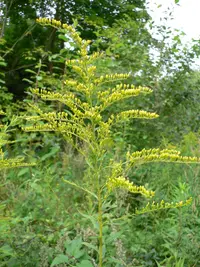
Recognize Canada goldenrod by its tall, upright stems, narrow alternate leaves with sharply toothed edges, and a dense, one-sided plume of many small yellow flower heads at the top.

Plants often form clumps, with stems rising about 3 to 6 feet (0.9 to 1.8 m) and staying unbranched below the flower cluster.

Solidago canadensis Identification

Identify a Plant by Photo

Take a photo and use Botan to confirm your plant identification.

Clear images work best. Avoid photos taken too close or too far away

Use these visible traits to check Solidago canadensis at a glance.

  • An upright perennial, often forming dense colonies, usually about 2-6 feet (0.6-1.8 m) tall.
  • Leaves are alternate along the stem, narrow lance-shaped, and commonly 3-6 inches (8-15 cm) long.
  • Leaf edges are sharply toothed, and the leaves show three prominent veins running lengthwise.
  • Stems are unbranched below and branch mainly near the top, creating a plume-like outline.
  • Flower heads are very small and packed into arching, one-sided sprays at the ends of branches.

Check both the alternate, toothed leaves and the arching flower sprays for the clearest visual match.

Solidago canadensis shows clear visual shifts from early shoots to seed-bearing stems.

  • Young plant: Early shoots form upright, unbranched stems with alternate, narrow lance-shaped leaves; lower leaves appear broader, while the plant remains compact and mostly leafy.
  • Mature plant: Vegetative stems become taller, often 3-6 feet (0.9-1.8 m), with many closely spaced leaves and a firmer, more rigid upright habit.
  • Flowering stage: The upper stem branches widely into a plume-like, one-sided cluster of many small yellow flower heads, changing the plant from narrow and vertical to broad-topped.
  • Fruiting stage: After flowering, the yellow heads fade to small dry seed heads with white, hairlike tufts, giving the branched top a pale, fuzzy appearance.

In spring, Canada goldenrod sends up fresh green shoots and narrow leaves from spreading rhizomes, forming upright leafy stems by early summer. Late summer into fall brings the clearest clue: large, arching plumes of many tiny yellow flower heads. After flowering, the plumes turn pale and fluffy with seed, and the dry stems often remain standing into winter.

Several yellow-flowered asters can be mistaken for Solidago canadensis.

tall goldenrod(Solidago altissima)

Often confused because both are tall, plume-flowered goldenrods. Tall goldenrod usually has rougher, more densely hairy stems and leaves; the flower clusters are often narrower and more one-sided.

grass-leaved goldenrod(Euthamia graminifolia)

Similar at a glance for its many small yellow heads in flat-topped to rounded clusters. It differs by having much narrower, grasslike leaves and a less feathery flower spray.

late boneset(Eupatorium serotinum)

Can resemble it before close inspection in height and branching. Boneset has white, not yellow, flower heads and opposite leaves, while goldenrods have alternate leaves.

Solidago canadensis is native to much of Canada and the United States, especially across eastern and central North America. It is most often found in open habitats such as prairies, meadows, old fields, roadsides, streambanks, and other disturbed ground. That setting helps with identification because this species is more typical of sunny, open sites than shaded woodland interiors. In eastern and central North America, tall goldenrods forming broad patches in fields or along edges can point toward Solidago canadensis.

Does Your Plant Match?

Use Botan to compare a photo and help identify or confirm the plant before you label it.

FAQ

Flowers are usually visible from late summer into fall. The species produces many small yellow flower heads in plume-like, arching clusters near the top of stems, a key feature for what does Canada goldenrod look like.

More Plant Identification Guides

Know What Plant You Have

Identify it from a photo with Botan, then get plant details, care information, and common problems for that species.

Botan app identifying a plant from a photo
Best Water for Plants – How to Choose the Right Type

7 min read · 13 Aug 2026

Best Water for Plants – How to Choose the Right Type

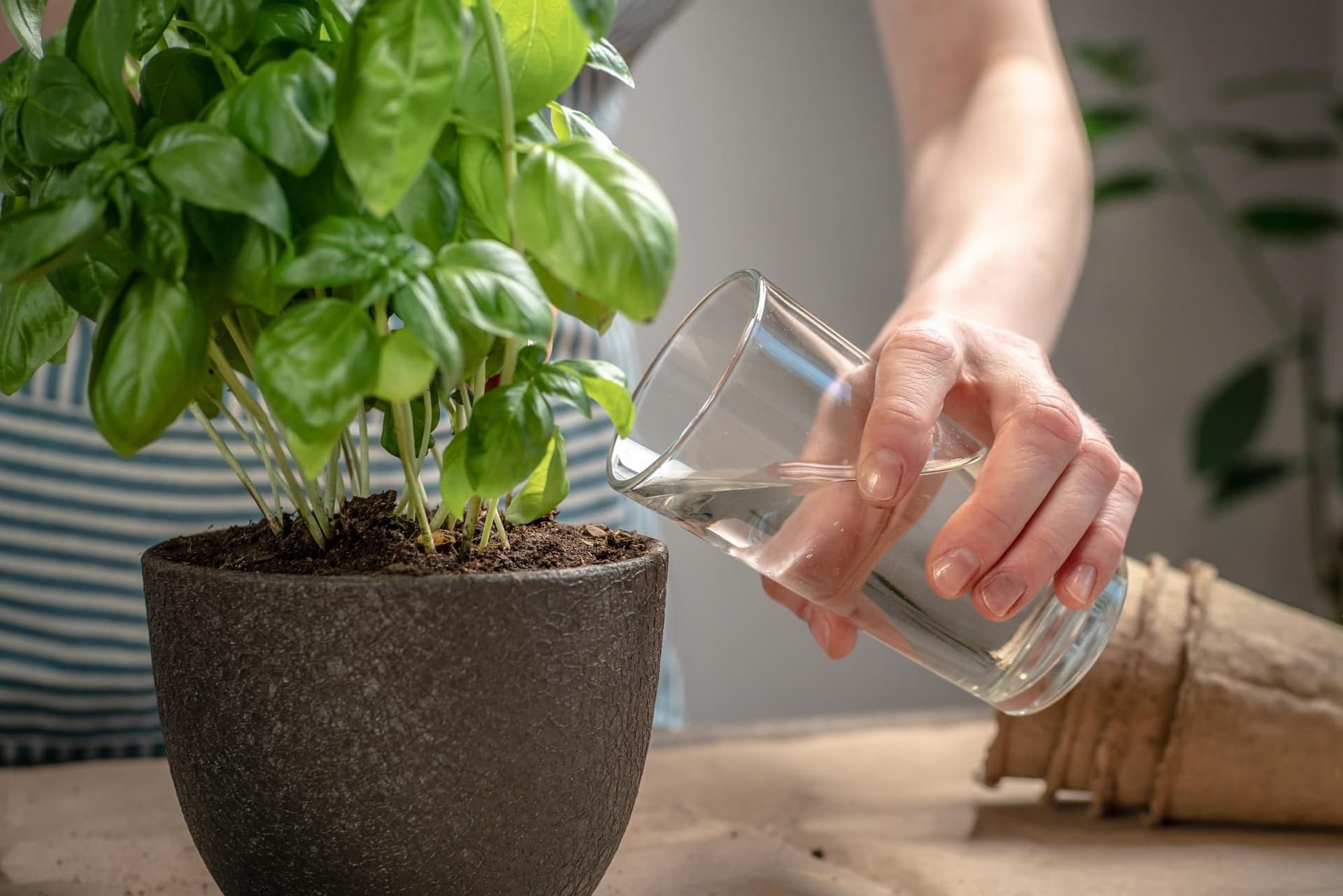
Rainwater, filtered, distilled, and tap water affect plants differently. Learn which types support healthy growth and which cause slow damage. Match each to your plants and discover how to easily improve tap water quality.

Plant Care
Best Water for Plants – How to Choose the Right Type
How to Mist Plants – Proper Technique and Common Mistakes

7 min read · 30 Jul 2026

How to Mist Plants – Proper Technique and Common Mistakes

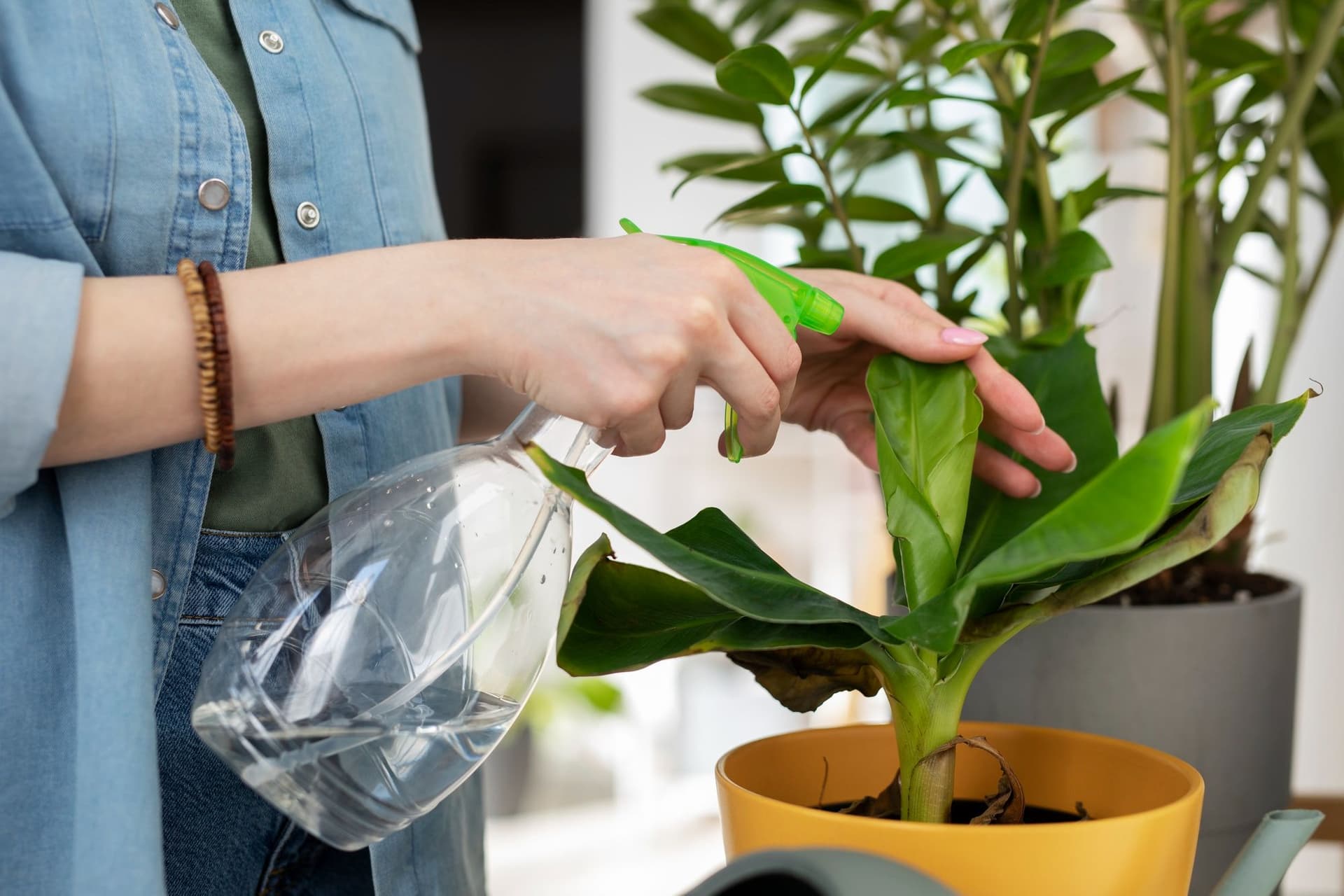
Find out when misting works well and when to avoid it. Here, you’ll find detailed information about compatible and incompatible species, tips on how often to mist plants and do it correctly, and some great alternatives for raising humidity.

Beginner Guides
How to Mist Plants – Proper Technique and Common Mistakes
How to Increase Humidity for Plants – 8 Simple Ways That Work

8 min read · 14 Aug 2026

How to Increase Humidity for Plants – 8 Simple Ways That Work

Dry indoor air stresses a lot of houseplants. You usually notice it first in the browning leaf tips. This guide describes 8 simple ways to raise the moisture around your plants, from humidifiers to pebble trays.

Plant Care
How to Increase Humidity for Plants – 8 Simple Ways That Work