




5 min read · 11 Sept 2026
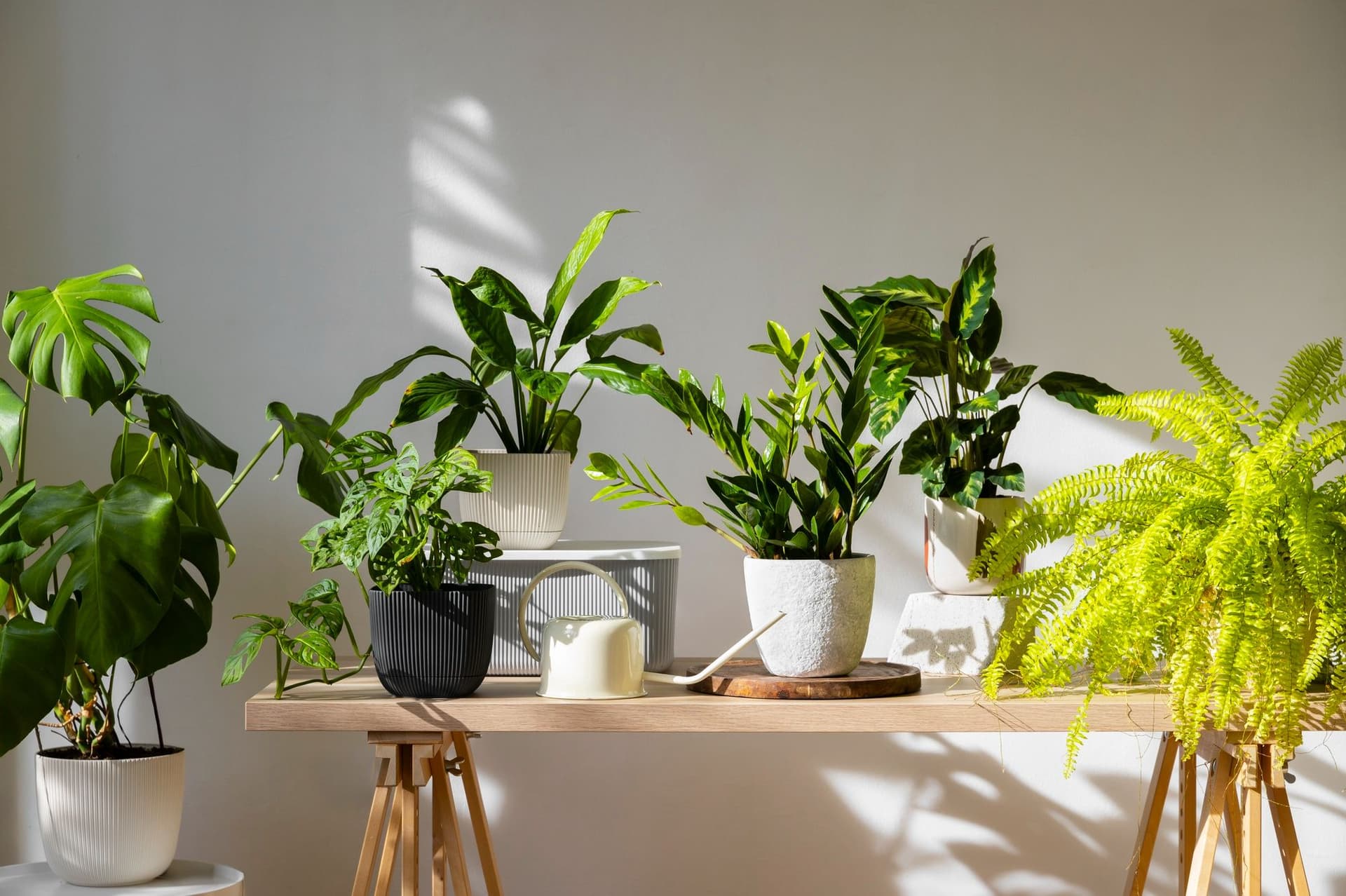
Top 5 Best Indoor Plants for Air Quality
Indoor plants can make a room feel fresher thanks to their air-purifying qualities. Here are 5 of the most suitable choices for your routine and living space.
Plant Recommendations


Recognize common milkweed by its upright, unbranched stems, opposite pairs of broad oval leaves, and large round clusters of pink to mauve flowers held near the upper stem.
Plants usually form clumps from spreading roots and stand about 3 to 5 feet (0.9 to 1.5 m) tall.
Upload a plant photo and check the identification in seconds.
Clear images work best. Avoid photos taken too close or too far away
Check the stem, leaves, flowers, and pods for a quick match.
Broken leaves or stems often show white milky sap.
Common milkweed shows clear visual shifts from paired-leaf shoots to pods with silky seeds.
In spring, Asclepias syriaca emerges from the ground as upright shoots with opposite to whorled leaves. By early to mid summer, rounded clusters of pink to mauve flowers become a strong field mark. By late summer and fall, large spindle-shaped seed pods are easy to spot. After frost, the stems dry to tan stalks, and split pods may persist with silky white seed floss visible.
A few native plants can be mistaken for common milkweed at a glance.
pokeweed(Phytolacca americana)
Both can form tall clumps with broad leaves. Pokeweed has alternate leaves, often reddish stems, and later dangling dark berries. Asclepias syriaca has opposite leaves and upright seed pods.
dogbane(Apocynum cannabinum)
This species also has opposite leaves and milky sap, so it is a realistic look-alike. Dogbane branches more in the upper stem and bears many smaller white flowers; Asclepias syriaca has larger pink to mauve flower clusters.
Asclepias syriaca is native to eastern and central North America, from southern Canada through much of the eastern United States and west into the Great Plains. It typically occurs in open, disturbed places such as prairies, old fields, roadsides, field margins, and sunny streambanks. Finding a milkweed in these inland habitats, rather than in wetlands, deep woods, or coastal dunes, helps narrow the identification.

What Plant Is This?
Find out what plant you have and get specific care tips
Use Botan to identify or verify the plant in your photo, which helps reduce mix-ups before you label or compare it.
The most reliable field mark is the large opposite leaves and thick stem that release milky sap when broken, plus dense round flower clusters. For identifying common milkweed, these traits together are more dependable than flower color alone.
Identify a plant from a photo with Botan, then review species-specific care information, safety notes, and common problems.

5 min read · 11 Sept 2026
Indoor plants can make a room feel fresher thanks to their air-purifying qualities. Here are 5 of the most suitable choices for your routine and living space.
13 min read · 28 Jul 2026
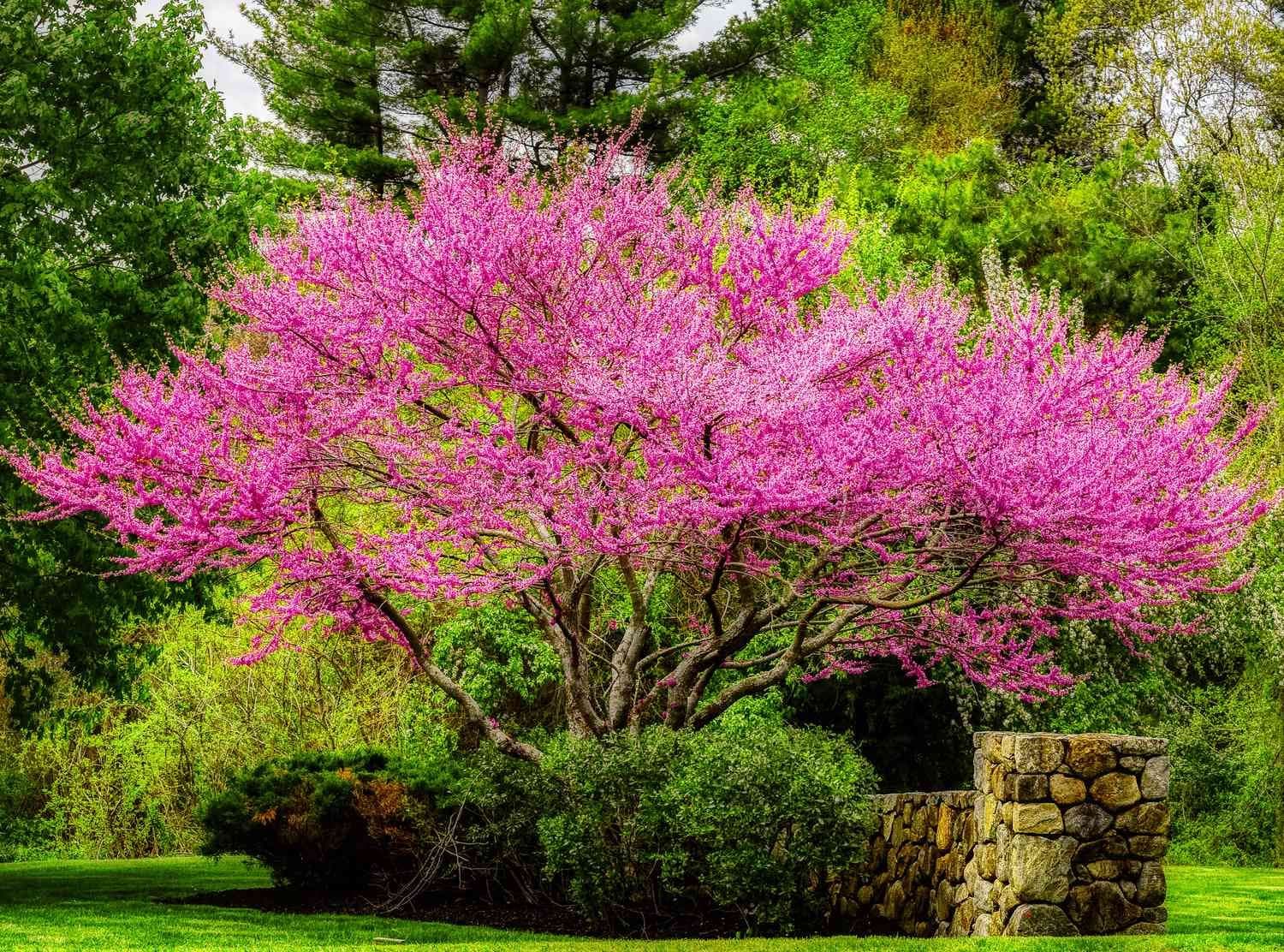
Learn which of the 15 fastest-growing trees will suit your area. We’ll share detailed information on each: growth rate, mature spread, key tree demands, and main vulnerabilities. Read on and make the best choice possible.
8 min read · 14 Jul 2026
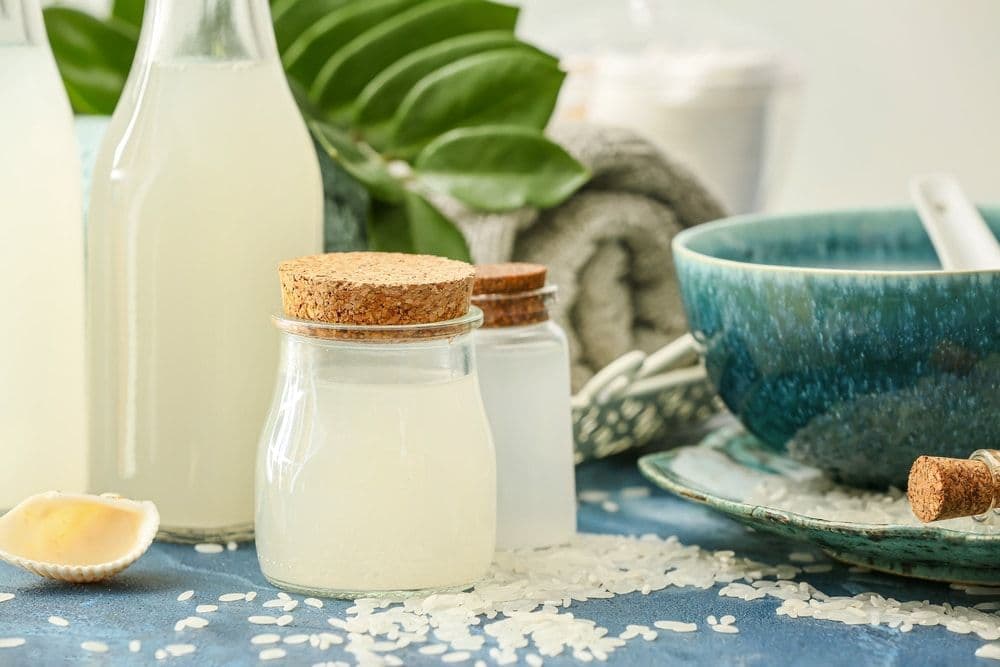
Rice water can be an ideal DIY solution for orchids, roses, or fruiting plants. It supports growth, leaf count, and height. We’ll share how to make and apply it correctly for your plant.