Scots pine Identification (Pinus sylvestris)

To recognize Scots pine, check for needles borne in pairs, each usually 1.5 to 3 inches (4 to 8 cm) long, and small ovoid cones about 1.5 to 3 inches (4 to 7 cm) long.

A mature tree often shows orange-brown bark on the upper trunk and main branches, above grayer, more fissured lower bark.

Pinus sylvestris Identification

Check Your Plant ID

Not sure about your plant ID? Upload a photo and check it with Botan.

Clear images work best. Avoid photos taken too close or too far away

Check the crown, needles, bark, and cones for a fast visual ID.

  • Needles are in pairs, short and slightly twisted, usually 1 1/2 to 3 inches (4 to 7 cm) long.
  • The upper trunk and main branches often show thin, flaky orange to orange-brown bark.
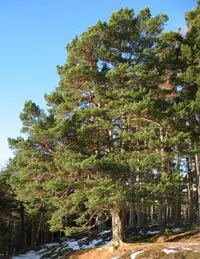
  • The crown is irregular and open, often with a straight trunk and uneven branching.
  • Cones are small, oval to egg-shaped, about 1 1/2 to 3 inches (3 to 7 cm) long, on short stalks.

Use several traits together, especially paired needles and orange upper bark.

Pinus sylvestris shows clear age-linked changes in needles, branching, bark, and cones.

  • Seedling: First leaves are single, soft juvenile needles on a slender stem, unlike the later paired needles and stiffer shoots.
  • Juvenile plant: Young saplings carry dense, bluish green needles in pairs, usually 1.5-3 inches (4-8 cm) long, on many short side shoots.
  • Mature plant: Older trees develop a tall straight trunk, an open irregular crown, and upper bark that flakes to orange-brown plates above gray lower bark.
  • Fruiting stage: Cone-bearing branches show small stalked cones, often in clusters, with ovoid to conic shape and a smoother outline than many pines.

Several Scots pine selections are easy to separate by crown shape and needle color.

  • 'Aurea': Needles turn rich yellow to golden in winter, while the typical form stays mostly green or blue-green.
  • 'Fastigiata': Forms a narrow, upright column with strongly ascending branches, often much slimmer than the broad, irregular crown of the species.
  • 'Watereri': Stays much smaller, usually a dense rounded tree or large shrub about 10-20 feet (3-6 m) tall, with shorter blue-gray needles.
  • 'Beuvronensis': A dwarf, flattened or low-mounded form that spreads wider than it grows tall, unlike the typical tall single-trunk tree.

In spring, Scots pine shows fresh pale green shoot tips, often called candles, before the new needles fully expand. At the same time, small yellow pollen cones can be visible near the base of new shoots, adding a brief seasonal clue. By late fall and winter, older inner needles may thin, making the orange upper bark and irregular branching easier to see. Mature cones often remain attached through winter.

Several pines are regularly mistaken for Pinus sylvestris.

red pine(Pinus resinosa)

Often confused because both have needles in pairs and an open, irregular crown. Red pine lacks the clear orange upper bark; its bark stays grayer to reddish brown, and the needles are usually longer, about 4 to 6 inches (10 to 15 cm).

Japanese red pine(Pinus densiflora)

Similar because it also shows orange-red bark and paired needles. A fast check is needle length and habit: Japanese red pine usually has denser tufts of slightly longer needles and a more layered, spreading crown.

Native across northern Eurasia, Pinus sylvestris ranges from Scotland and Scandinavia east through Russia to the Pacific, and south into parts of central Europe, Anatolia, and Mongolia. It typically grows in open woodland, heaths, bog margins, sandy plains, and rocky slopes, often on poor soils from lowlands to mountains. In range, a two-needle pine on dry, exposed sites is more likely to be this species than many other pines.

Not Sure About the ID?

Botan can analyze a photo to help identify the plant or confirm your guess before you label it.

FAQ

In winter, this evergreen keeps its needles in pairs, usually 1.5 to 3 inches (4 to 7.5 cm) long, often slightly twisted and blue-green. The upper trunk commonly shows orange-cinnamon bark, a strong clue for identifying Scots pine.

More Plant Identification Guides

Identify First. Learn What Comes Next.

Use Botan to identify a plant from a photo, then get plant details, care information, and common problems.

Botan app identifying a plant from a photo
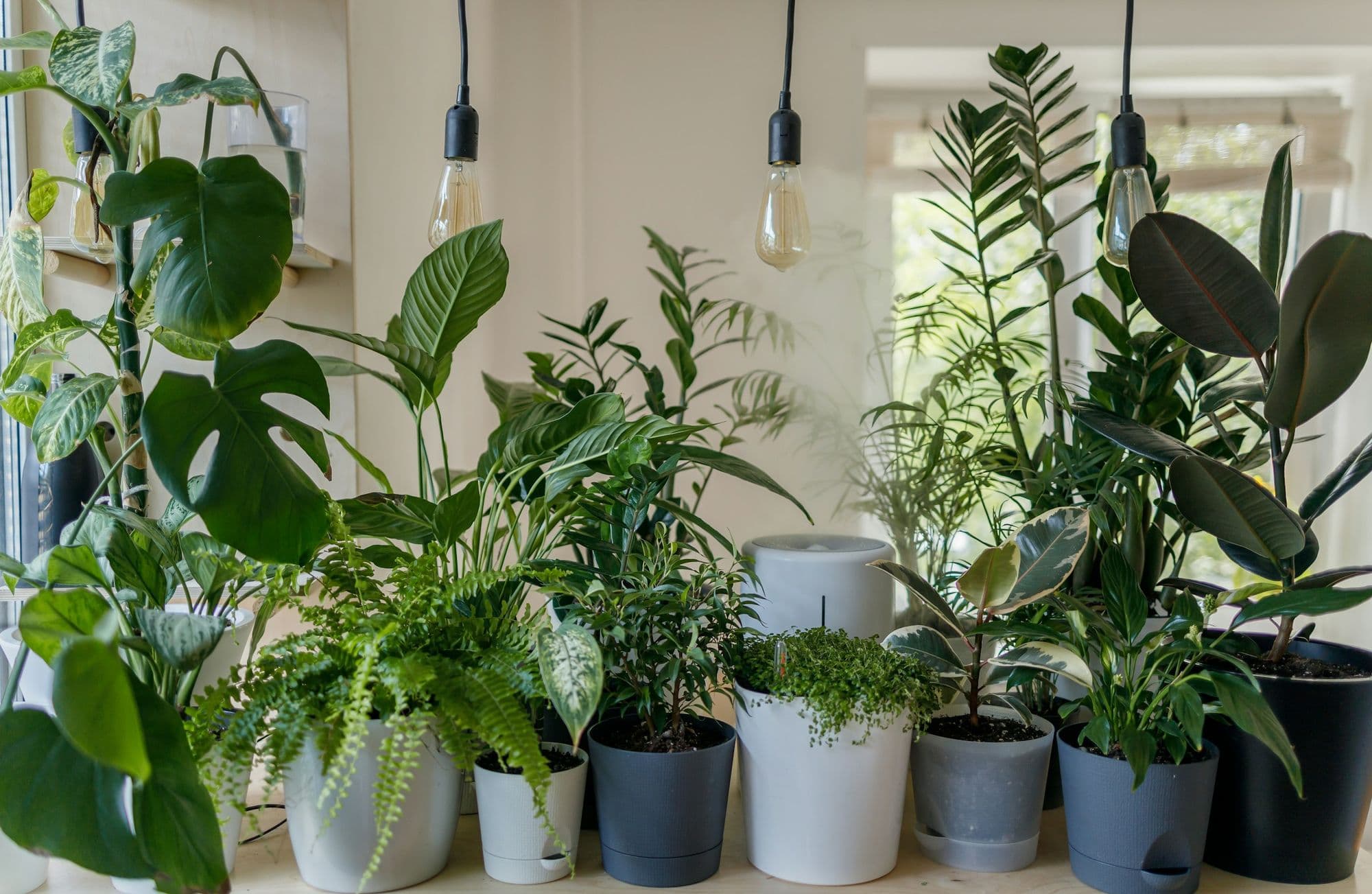
Top 15 Plants That Don’t Need Sunlight

8 min read · 17 Sept 2026

Top 15 Plants That Don’t Need Sunlight

Some plants thrive in dim rooms, shaded corners, and places with indirect light. In this guide, you’ll explore the top 15 species best suited to low-light conditions and how to care for them.

Plant Recommendations
Top 15 Plants That Don’t Need Sunlight
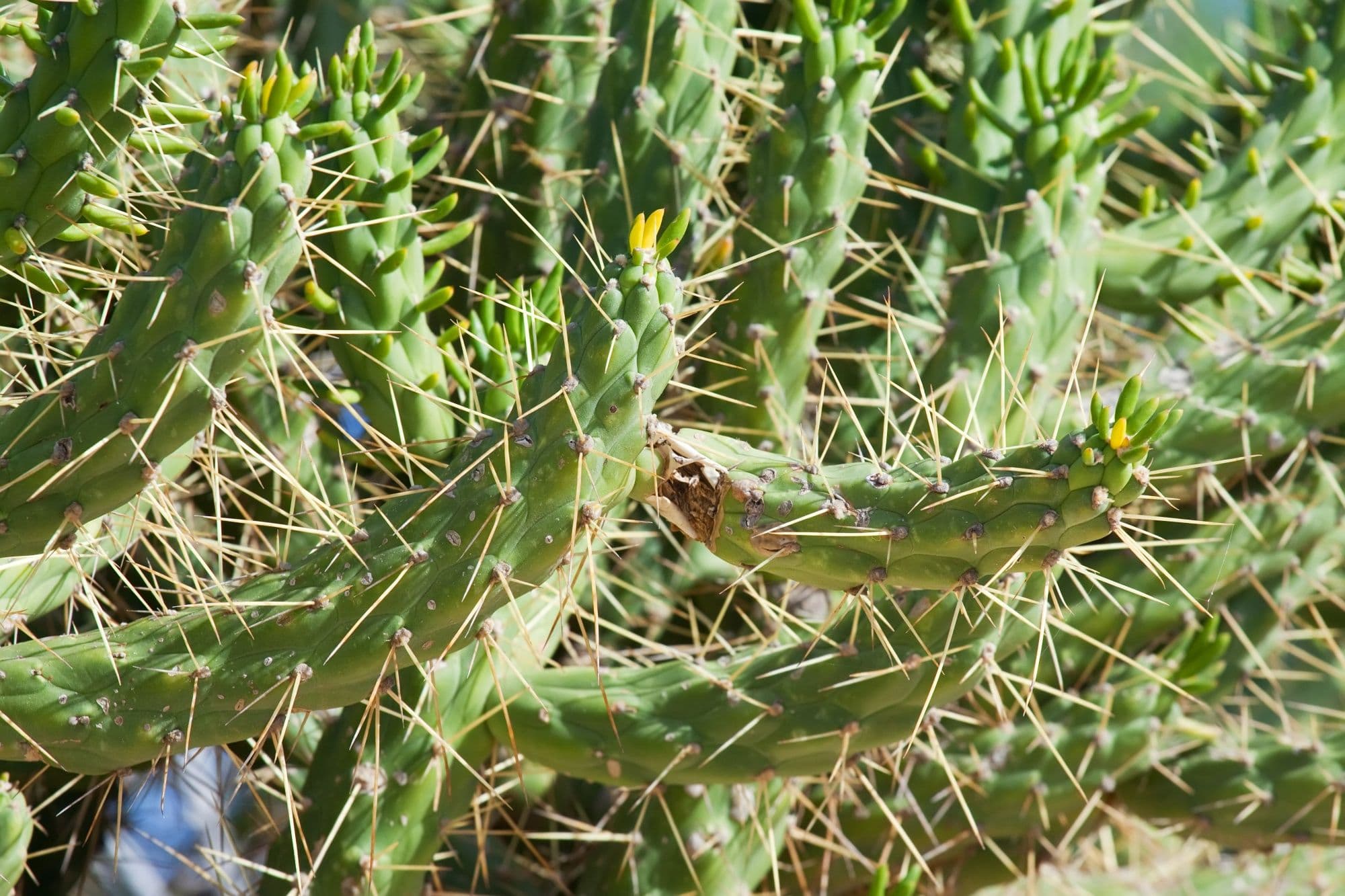
Thorny Plants: A Comprehensive Guide

10 min read · 25 Aug 2026

Thorny Plants: A Comprehensive Guide

Many plants defend themselves with sharp thorns. This guide explores over 20 examples among flowers, shrubs, trees, and vines. You'll learn what each plant looks like, why it grows thorns, and how to quickly identify them.

Plant Recommendations
Thorny Plants: A Comprehensive Guide
20 Most Popular Fruits Around the World

7 min read · 22 Jul 2026

20 Most Popular Fruits Around the World

Curious which fruits the world actually eats the most? Here's the top-20 by production volume, an overview of what people choose in each region, and a few figures that defy common assumptions.

Plant Recommendations
20 Most Popular Fruits Around the World