


Bird Cherry Identification (Prunus padus)

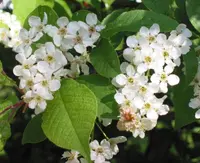
Recognize Bird Cherry by its narrow, hanging flower clusters, each lined with many small white five-petaled flowers, plus simple oval leaves arranged alternately along the twigs.

It usually grows as a small tree or large shrub, often 20 to 40 feet (6 to 12 m) tall, with a slender trunk and smooth gray-brown bark.

Prunus padus Identification

Identify Your Plant with Botan

Check your plant ID by uploading a clear photo to Botan.

Clear images work best. Avoid photos taken too close or too far away

Check the overall shape, leaves, flowers, and fruit for a fast visual match.

  • Usually a small tree with a straight trunk and a rounded to oval crown.
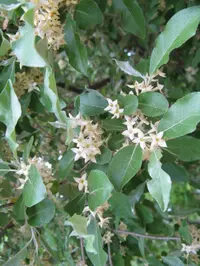
  • Leaves are alternate, simple, and oval, about 2-4 inches (5-10 cm) long, with pointed tips and fine teeth.
  • Flowers hang in long, narrow clusters, each bloom with 5 white petals.
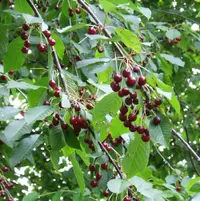
  • Fruits are small, round drupes that hang in clusters and turn dark purple to black.

The drooping flower and fruit clusters are especially useful to confirm Prunus padus.

Prunus padus shows clear visual shifts from sapling structure to flowers and hanging fruits.

  • Young plant: Young plants are upright and slender, often with a single main stem, smooth bark, and narrower oval leaves than on mature crowns.
  • Flowering stage: Flowering branches carry many small white flowers in long, drooping racemes up to 6 inches (15 cm), making the crown look lighter and more layered.
  • Fruiting stage: After flowering, those hanging clusters turn into strings of small dark drupes, so branch tips appear heavier and more pendulous than before.

In spring, Prunus padus is especially recognizable when long, drooping clusters of white flowers open with the fresh leaves. By early to midsummer, those flower clusters are replaced by hanging strings of small dark fruits. After leaf drop in fall, identification relies more on the bare outline: a small tree with smooth to lightly fissured bark and slender twigs carrying noticeable buds through winter.

A few spring-flowering trees are regularly mistaken for Prunus padus.

black cherry(Prunus serotina)

Both have white flower racemes and dark fruits. Black cherry usually flowers with leaves already expanded, and its bark is darker and more broken into scaly plates.

chokecherry(Prunus virginiana)

Both can form small trees with hanging clusters of white flowers and blackish fruit. Chokecherry usually has broader leaves with a shorter pointed tip, and its fruit clusters are typically denser and more upright.

Amur chokecherry(Prunus maackii)

Another white-flowered Prunus with racemes. It is easiest to separate by its shiny coppery to amber bark, while bird cherry has duller gray-brown bark.

Prunus padus is native across northern and temperate Europe and much of northern Asia. Range can help separate it from similar cherries when a plant is growing far outside cool Eurasian settings. It is most often found in damp woodlands, streambanks, lake margins, and other moist lowland sites. Seeing it in wet, shaded ground is a useful clue, especially in naturalized landscapes.

  • Toxic parts: Prunus padus contains cyanogenic compounds in the seeds, leaves, and bark. These are a concern if chewed or swallowed by humans or pets.
  • Fruit pit risk: The fleshy fruit is not the main hazard, but the stone inside contains the toxic seed. Risk relates to ingestion, especially if the pit is crushed or chewed.

Not Sure About the ID?

Use Botan to compare a photo and help confirm the plant, which can save time before you label it or look up details.

FAQ

Yes. The species bears drooping clusters of small, round drupes, a stone fruit, that ripen from red to dark purple-black. Fruit alone is not enough for Bird Cherry identification, but the hanging racemes are a strong clue.

More Plant Identification Guides

Know What Plant You Have

Identify it from a photo with Botan, then get species-specific care information, safety notes, and common problems.

Botan app identifying a plant from a photo
Plants That Repel Bugs – 20 Effective Options

12 min read · 16 Jul 2026

Plants That Repel Bugs – 20 Effective Options

Mosquitoes on the patio? Gnats in the kitchen? Some plants keep them away with the scent of their own leaves. Here are 20 that deal with mosquitoes, flies, aphids, and more, plus where to put them so they help.

Plant Recommendations
Plants That Repel Bugs – 20 Effective Options
When to Plant Hydrangeas: Best Time by Season and Type

6 min read · 30 Oct 2026

When to Plant Hydrangeas: Best Time by Season and Type

Hydrangeas grow best when you plant them in cool weather. This guide explains when to plant hydrangeas in your area, compares fall and spring planting seasons, and shows the right steps for each type.

Beginner Guides
When to Plant Hydrangeas: Best Time by Season and Type
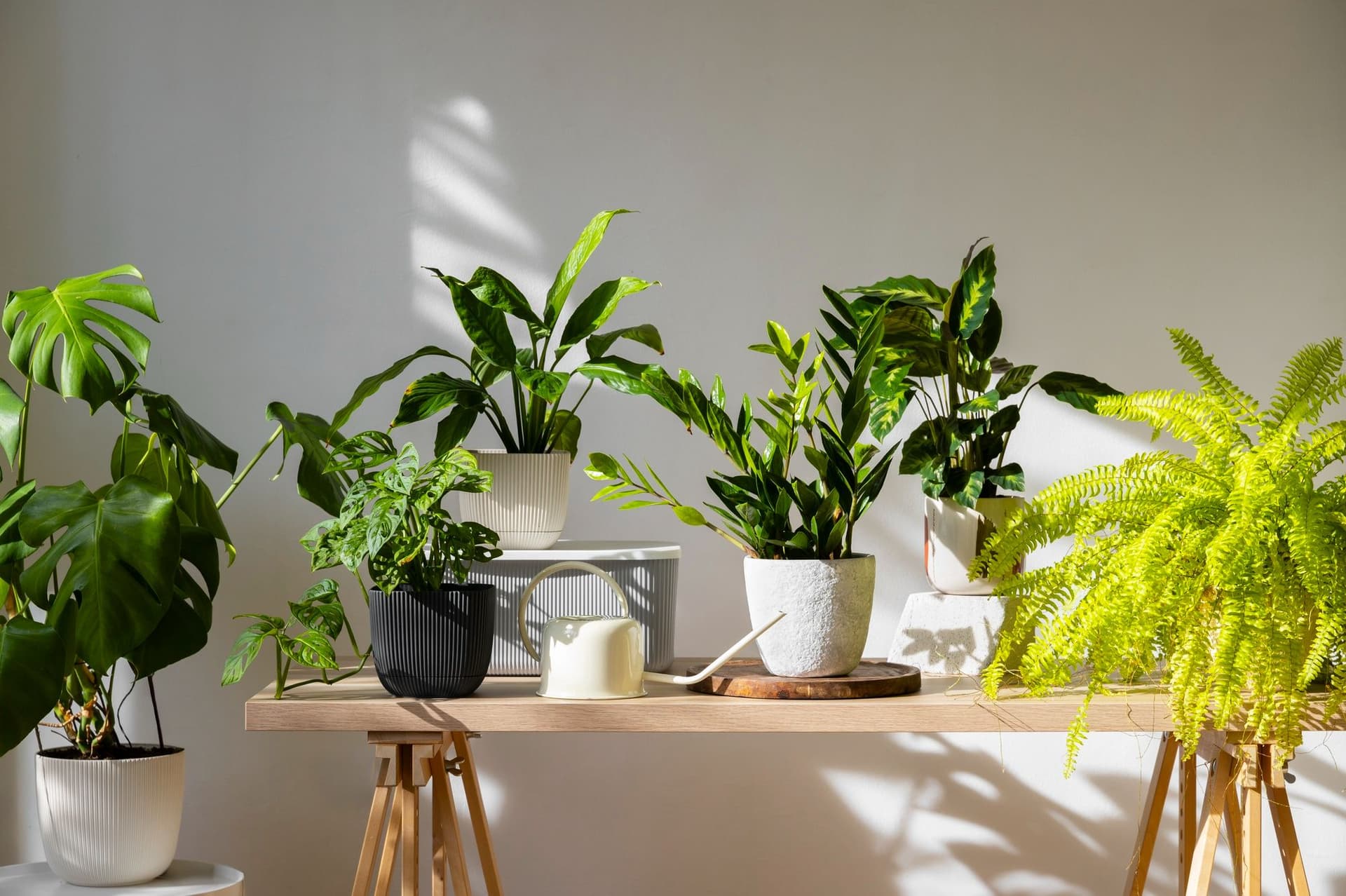
Top 5 Best Indoor Plants for Air Quality

5 min read · 11 Sept 2026

Top 5 Best Indoor Plants for Air Quality

Indoor plants can make a room feel fresher thanks to their air-purifying qualities. Here are 5 of the most suitable choices for your routine and living space.

Plant Recommendations
Top 5 Best Indoor Plants for Air Quality