

wild cherry Identification (Prunus avium)

Recognize wild cherry by its simple, alternate leaves, each long and oval with a pointed tip and fine teeth, and by clusters of five-petaled white flowers carried on long stalks from short side shoots.

The trunk is usually straight, and the bark shows clear horizontal bands called lenticels, small pores used for gas exchange.

Prunus avium Identification

Scan to Confirm wild cherry

Not sure about your plant ID? Upload a photo and check it with Botan.

Clear images work best. Avoid photos taken too close or too far away

Use these quick checks to judge whether a tree is Prunus avium.

  • Leaves are simple, alternate, and oval with a pointed tip and finely toothed edges, usually 3 to 6 inches (8 to 15 cm) long.
  • A pair of small red glands often sits on the leaf stalk near the blade.
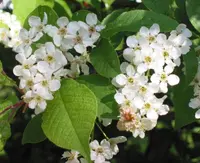
  • Flowers are white, with 5 petals, carried in small clusters on long stalks.
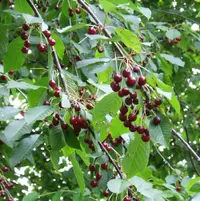
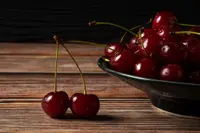
  • Fruits are round cherries about 1/2 to 1 inch (1.3 to 2.5 cm) across, hanging singly or in pairs.

Bark can also help: mature trunks often show shiny reddish-brown bands with horizontal lines.

Prunus avium shows clear visual changes from sapling structure to flowers and fruit.

  • Young plant: Young plants are narrow and upright, with a straight leader, smooth bark, and relatively large simple leaves on slender, lightly branched stems.
  • Mature plant: Mature trees develop a broader crown and stronger lateral branching; the trunk thickens, and bark becomes shiny with obvious horizontal bands and peeling rings.
  • Flowering stage: Flowering branches carry clusters of white five-petaled blossoms, each about 1 inch (2.5 cm) across, exposing the branch framework before fruit forms.
  • Fruiting stage: Fruiting stage is marked by hanging pairs or small clusters of rounded cherries that turn deep red to dark purple-black, visually replacing flowers.

A few cultivated forms of Prunus avium are easy to separate by flower structure or crown shape.

  • 'Plena': Double flowering cherry with many-petaled white blossoms, unlike the typical single 5-petaled flowers.
  • 'Pendula': Weeping form with strongly drooping branches that create a cascading crown instead of the usual upright to spreading canopy.
  • 'Fastigiata': Narrow, columnar habit with steeply ascending branches; it stays much slimmer than the broad crown of the species.

In spring, Prunus avium is often easiest to spot when clusters of white flowers open on mostly bare branches or alongside newly emerging leaves. Fresh spring foliage is bright green and finely toothed. By early to mid-summer, red to dark red cherries become visible. In fall, leaves turn yellow to orange before dropping, which exposes the winter branching pattern and smooth bark.

Several cherries are regularly mistaken for Prunus avium.

sour cherry(Prunus cerasus)

Often confused because both are small trees with white spring blossom and red cherries. Sour cherry is usually smaller and suckering, often forming a thicket. Its fruit stalks are shorter, and the ripe fruit is typically more round and darker red.

Mahaleb cherry(Prunus mahaleb)

Can resemble it in flower and general leaf shape. Mahaleb usually has smaller, rounder leaves with a more distinctly heart-shaped base, and its bark lacks the strong horizontal lenticels, the pale corky lines common on sweet cherry trunks.

Prunus avium is native to Europe, western Asia, and parts of North Africa. It occurs naturally from lowlands into lower mountain zones, often in temperate regions rather than Mediterranean scrub. In the wild it is most often found in mixed deciduous woodland, forest edges, hedgerows, and clearings. Finding a cherry tree in these inland woodland-edge habitats helps separate it from species more typical of wetlands, coastal sites, or dry open grassland.

  • Seeds and wilted leaves: The pits (seeds) and wilted leaves contain cyanogenic compounds. Risk is from ingestion by humans and pets, especially dogs, cats, horses, and livestock.
  • Fruit flesh: The cherry flesh is not the main concern, but swallowing pits creates the hazard because the seed inside is the toxic part for humans and pets.

Confirm the Species with Botan

Upload a photo to compare key details and get help identifying the plant or confirming your current ID.

FAQ

A quick wild cherry identification clue is the shiny reddish-brown bark with clear horizontal bands called lenticels, plus simple oval leaves with fine teeth and two small glands on the leaf stalk near the blade.

More Plant Identification Guides

Identify First. Learn What Comes Next.

Use Botan to identify a plant from a photo, then see species-specific care information, safety notes, and common problems.

Botan app identifying a plant from a photo
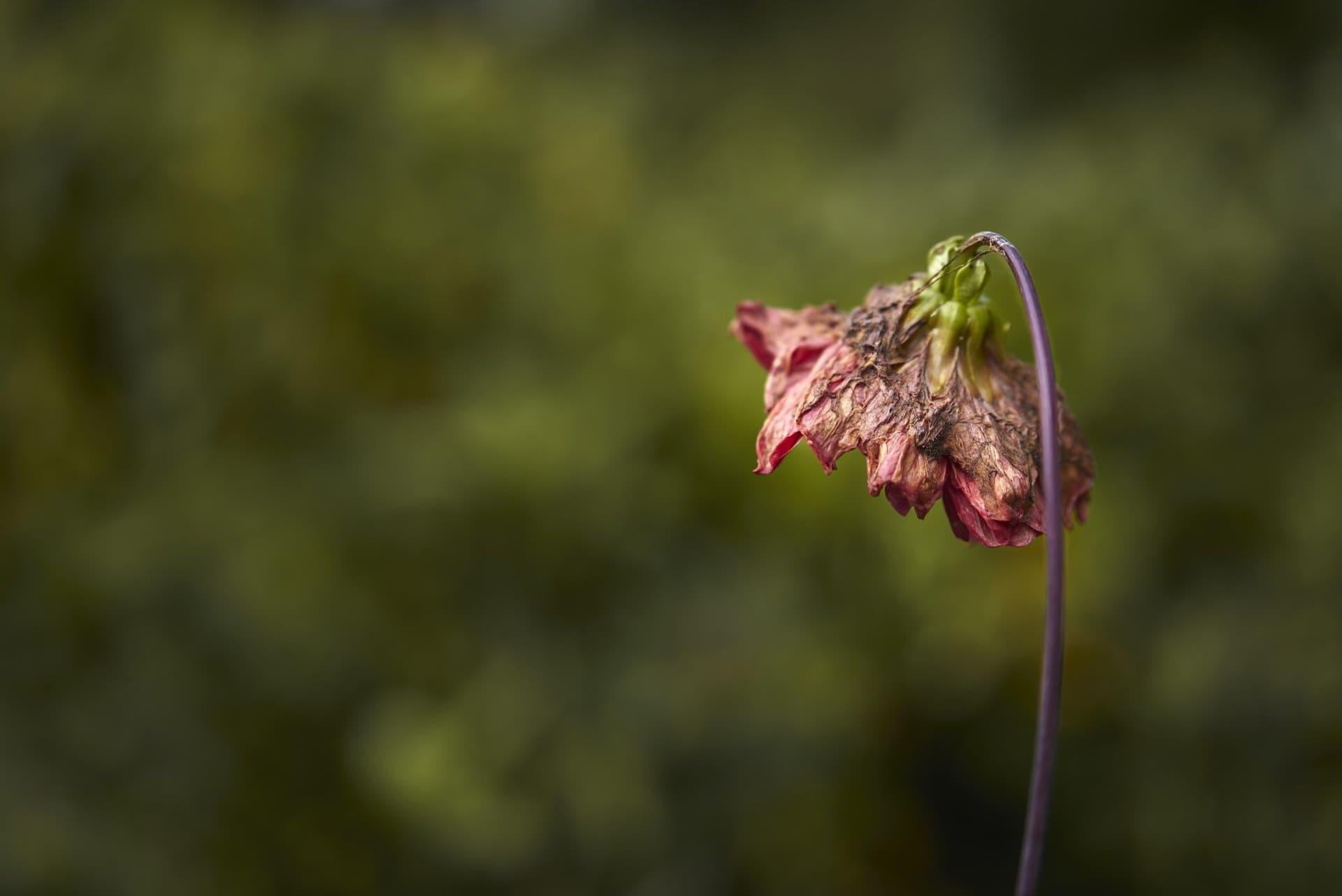
How To Revive a Dying Plant: 6 Steps To Bring A Plant Back To Life

6 min read · 1 Sept 2026

How To Revive a Dying Plant: 6 Steps To Bring A Plant Back To Life

Drooping leaves and brown tips don't always mean the end, and a weakened plant can often recover with a little help. These six simple steps will help you revive a dying plant and restore its health.

Plant Care
How To Revive a Dying Plant: 6 Steps To Bring A Plant Back To Life
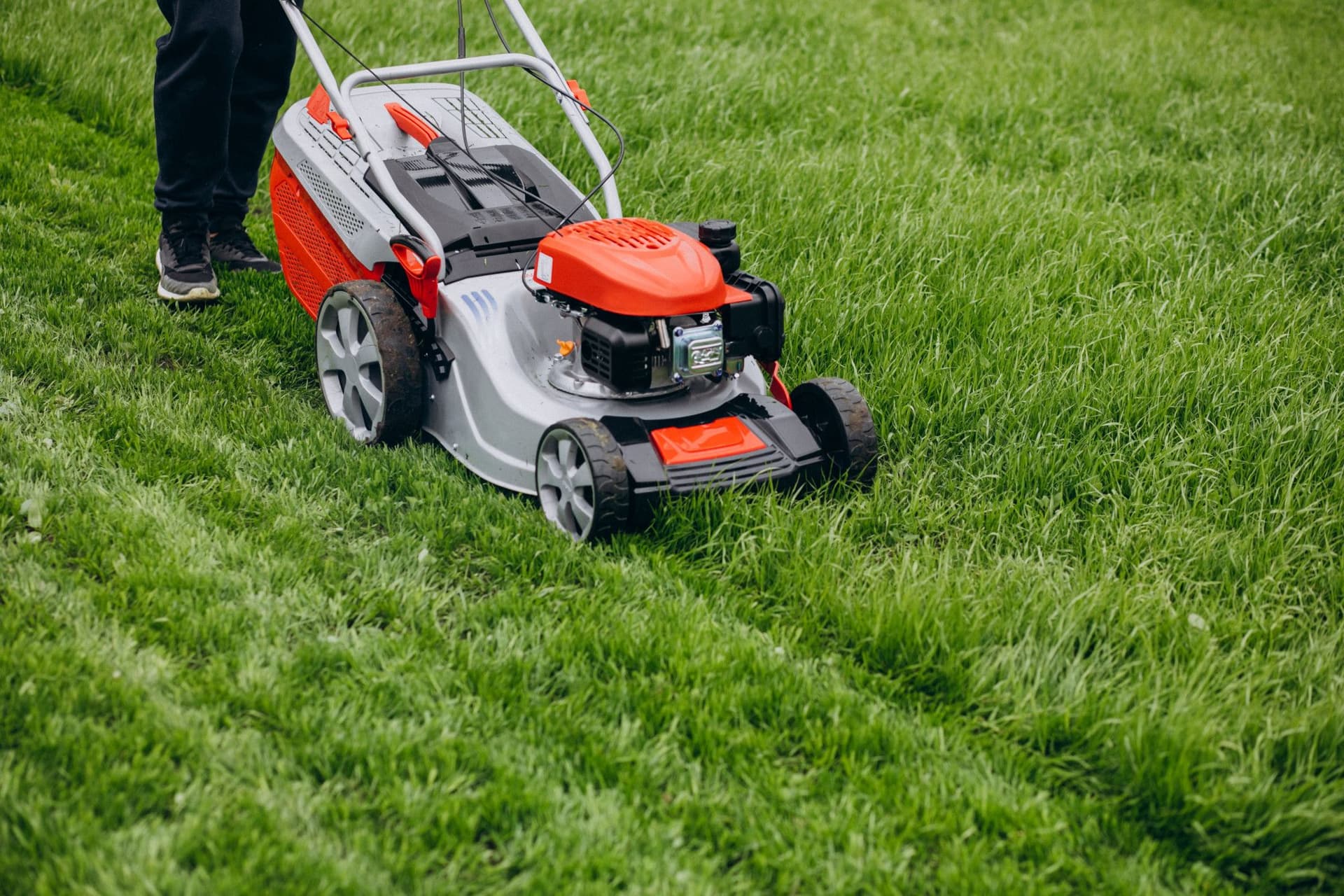
Best Time to Mow Lawn – A Complete Guide

5 min read · 10 Aug 2026

Best Time to Mow Lawn – A Complete Guide

Explore when to mow your lawn for its health and a pleasant green color. Find out the best time for this task during the summer heat, and follow practical tips for correctly cutting the grass, and learn common mistakes to avoid.

Plant Care
Best Time to Mow Lawn – A Complete Guide
How to Increase Humidity for Plants – 8 Simple Ways That Work

8 min read · 14 Aug 2026

How to Increase Humidity for Plants – 8 Simple Ways That Work

Dry indoor air stresses a lot of houseplants. You usually notice it first in the browning leaf tips. This guide describes 8 simple ways to raise the moisture around your plants, from humidifiers to pebble trays.

Plant Care
How to Increase Humidity for Plants – 8 Simple Ways That Work