Rhizome containment
Install a shallow root barrier or sink a bottomless container 20–30 cm into the ground around a clump to limit spread while still allowing deep roots to access surrounding soil.

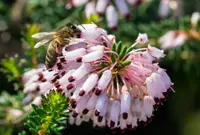
Common milkweed, Asclepias syriaca, is a hardy perennial wildflower native to eastern and central North America. It typically grows in sunny fields, roadsides, and open disturbed sites. The plant forms upright stems with broad, oval leaves and clusters of pink to mauve, sweetly scented flowers that attract many pollinators, especially monarch butterflies. Later, it develops distinctive pods filled with silky, wind-dispersed seeds. It is generally easy to grow in full sun and well-drained soil, but its spreading root system and self-seeding habit can make it vigorous. Understanding how to care for common milkweed helps keep it healthy and contained in garden settings.

Care Difficulty
Easy Care

Light Preference
Full Sun

Water Requirements
Low Water

Temperature Preference
Cold Hardy

Hardiness Zone
3–9

Soil Texture
Sandy, Loamy, Clay

Soil pH
Slightly acidic (6.5–7.0), Neutral (7.0)

Soil Drainage
Well-drained

Fertilization
Minimal (feed rarely)
Scan your plant to receive care tips personalized for your specific plant
Available on iOS and Android
This species is a sun-loving prairie perennial that performs best in open, unobstructed sites.
This hardy perennial prefers deep, infrequent watering once established, especially in well-drained garden soil.
This cold-hardy perennial is adapted to wide outdoor temperature swings in temperate climates.
This species is adapted to outdoor conditions and does not have special humidity requirements.
Asclepias syriaca prefers moderately fertile, well-drained ground that never stays waterlogged.
This species can be grown in containers, though it performs best long-term in open ground.
Asclepias syriaca usually grows well in average garden soil and needs minimal fertilization.
Asclepias syriaca benefits from simple, seasonal pruning to keep plants tidy and productive.
This deep-rooted species is best sown or planted where it can remain long term, as it dislikes disturbance.
Asclepias syriaca is commonly propagated from seeds and by carefully managed root divisions.
This species is fully cold hardy in most temperate climates and generally requires minimal winter care.

Plant Health Check
Not sure what's wrong with your plant? Check your plant's health inside the app.
Common milkweed is a primary larval host for the monarch butterfly, whose caterpillars rely on its toxic leaves as their main food source in much of eastern North America.
Instead of loose pollen grains, this species produces pollinia, waxy pollen masses that attach to visiting insects and are mechanically transferred between flowers, which leads to relatively high pollination efficiency.
The sweet, noticeable fragrance of its pinkish flower clusters is produced to attract a wide range of pollinators, and the flowers secrete abundant nectar that supports bees, wasps, butterflies, and other insects.

The milky latex of common milkweed contains cardiac glycosides, a group of defensive chemicals that accumulate in monarch caterpillars and butterflies, making them distasteful to many predators and forming a well-studied example of chemically mediated defense in plant–insect interactions.
This species spreads readily by both seed and underground rhizomes. In garden beds it can form dense patches over several years. Use root barriers, deadhead seed pods, or dedicate a contained area if spread is a concern.
Keep your plants happy and healthy with plant identification, disease detection, and easy care guidance.