How to Increase Humidity for Plants – 8 Simple Ways That Work
Dry indoor air stresses a lot of houseplants. You usually notice it first in the browning leaf tips. This guide describes 8 simple ways to raise the moisture around your plants, from humidifiers to pebble trays.

On this page
- Best Ways to Increase Humidity for Plants
- 8 Humidity Methods That Work Best
- 1. Use a Humidifier
- 2. Group Plants Together
- 3. Try Pebble Trays
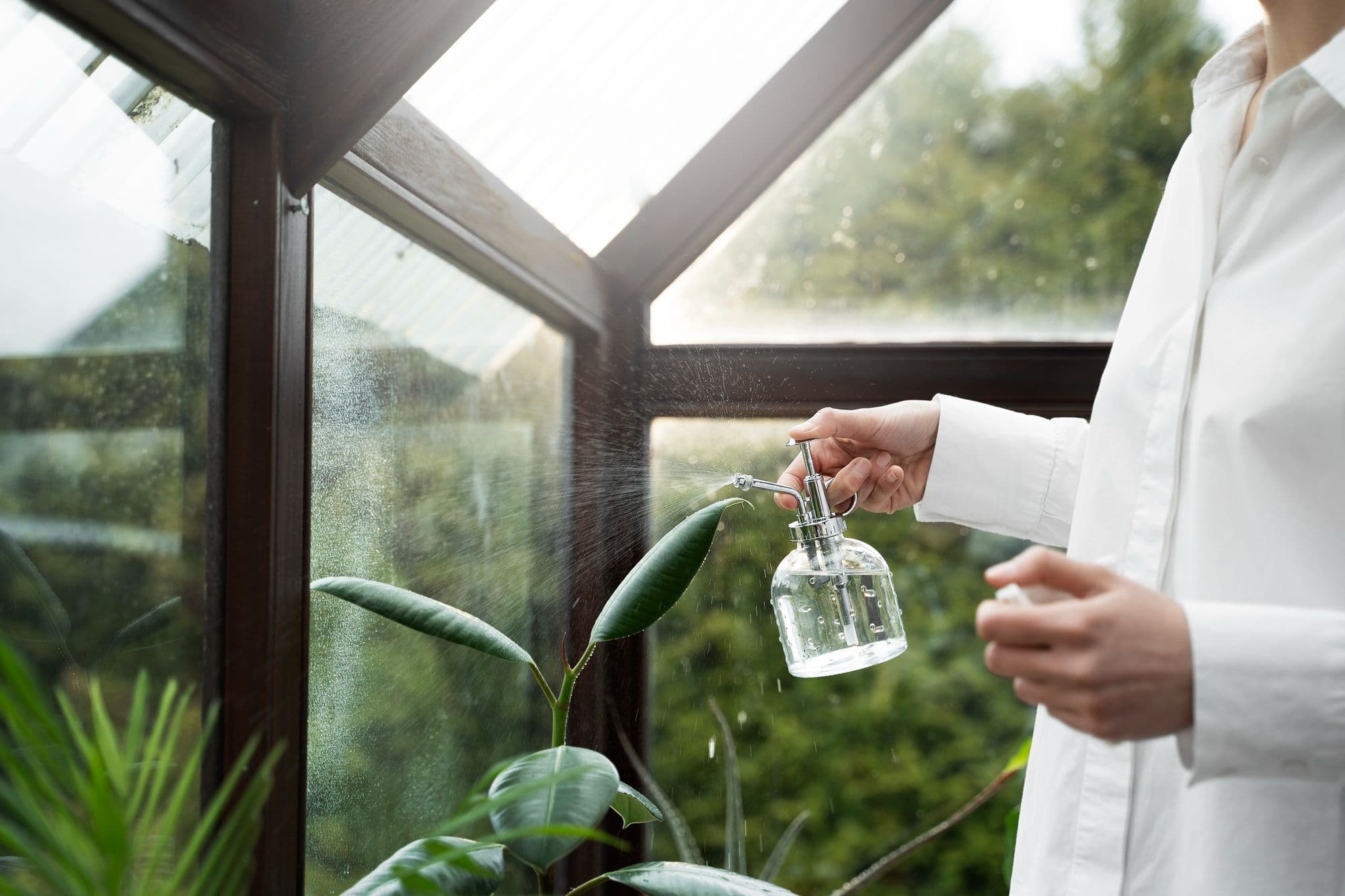
- 4. Mist Plants Carefully
- 5. Use Terrariums or Glass Domes
- 6. Try Double Potting with Damp Sphagnum Moss
- 7. Add a Small Water Vessel Nearby
- 8. Use a Greenhouse Cabinet or Grow Tent
- Match Humidity to Plant Type
- Why Humidity Matters for Houseplants
- Humidity Mistakes to Avoid
Brown crispy leaf tips are a sure sign that the air in your room has become completely dry. Your houseplants feel this long before you do. So how to increase humidity for plants at home?
A few things help right away. Turn on a humidifier, place pots close together, or place a pebble tray underneath them. If you're unsure what you're growing, Botan lets you take a photo of your plant to identify ferns and other moisture-loving species. Below you'll find 8 proven methods to increase humidity, why it matters for houseplants, and common mistakes to avoid.
Best Ways to Increase Humidity for Plants
Some techniques merely increase humidity for plants, while others have virtually no effect. The key is to choose the methods that will truly benefit your houseplants. Let’s see the best ways in the following table.
Method | How it works | Best for | Notes |
Humidifier | Releases a constant mist into the air | Dry rooms and most tropical species | Most reliable but needs refilling |
Grouping plants | Retains moisture evaporation between pots | Species with similar needs | Free but weak support |
Pebble trays | Water evaporates under the pot | Single plants and small arrangements | Keep the pot above the waterline |
Misting | Wet the leaves briefly | Quick temporary solutions | Dwindles quickly, easy to overdo |
Terrariums or glass domes | Seals moisture inside the glass | Tiny, fussy tropical species | Vent it occasionally |
Double potting with sphagnum moss | Damp moss provides moisture around the roots | Moisture-loving tropical species | Keep the moss moist, but not overwatered |
Small water vessel nearby | Open water evaporates slowly | A gentle backup method | Weak on its own |
Greenhouse cabinet or grow tent | Enclosed space with precisely controlled humidity | Collectors, cuttings, and rare species | More expensive, takes up a lot of space |
Any of these methods will be useful even for beginners and most of them are practically free.

Identify Your Plant’s Problem
Scan with Botan for an instant diagnosis — 98%+ accuracy
8 Humidity Methods That Work Best
Some methods increase humidity more reliably than others. The method for reaching the right moisture level depends on your room and what you're growing. Here is how to create humidity for plants in 8 effective ways.
1. Use a Humidifier
A humidifier is the gold standard — it constantly releases a mist into the room. Tropical plants, such as the African fig tree, do especially well with a humidifier. Look for a model with a cool mist and a large reservoir so you don't have to refill it often. A built-in hygrometer will also help, as you can monitor the increase in humidity.
Location matters more than you think. Place it a few feet away from your plants, not directly above them. Direct the airflow over the entire group. This will evenly distribute the moist air instead of drowning one pot.

2. Group Plants Together
Plants sweat, each in its own way. They release moisture through their leaves through a process called transpiration. If you group several species together, the vapor accumulates between them, and you get a mini-humidity zone. This is how to create a humid environment for plants at home for free.
It works best when potted plants have similar needs. Group tropicals with tropicals. Avoid planting desert species in this group, as they prefer to remain completely dry.

3. Try Pebble Trays
A pebble tray is a shallow container filled with stones and a small amount of water. As the water evaporates, the humidity rises right around the pot. It's cheap, quiet, and requires almost no effort.
Just be aware of its limitations. A pebble tray won't flood the entire room with humid air — it works close to the plant itself. One rule protects the roots: keep the pot above the water level and never let it soak, as wet roots lead to rot.

4. Mist Plants Carefully
You mist your houseplant, the leaves glisten, and everyone's happy. The catch? This effect fades in minutes. Misting increases humidity momentarily, and then the air dries out again. It's no substitute for real humidity.
Think of it as a quick fix, not a permanent solution, and don't overdo it. Soaking the leaves too frequently promotes fungal spots and bacterial rot. A light misting in the morning will give them time to dry before nightfall.

5. Use Terrariums or Glass Domes
Glass gives a much more powerful effect. If you still haven’t decided how to keep a plant humid, then place it under a cloche or inside a closed terrarium. The container traps evaporating water and prevents it from escaping.
Humidity rises quickly and remains high. It's suitable for small ferns and other forest-floor species, such as nerve plants. Moisture-loving wetland plants thrive in this warm humid air. However, open the glass from time to time — a small influx of fresh air prevents mold from forming inside.

6. Try Double Potting with Damp Sphagnum Moss
You can use double potting to create humidity for plants. You place a pot with a houseplant inside a larger pot. Then, you pack damp sphagnum moss into the gap between them. Moss retains water and slowly releases it as vapor.
This creates a more humid microclimate right around the roots. A moisture-loving tropical plant like the Majesty palm is ideal for this purpose. Keep the moss moist, but avoid overwatering. Check it every few days and add a little water.

7. Add a Small Water Vessel Nearby
This method is hardly a method. You place a shallow bowl or dish of water next to the plant. As it evaporates, it slightly increases the humidity in the surrounding air. This is a gentle way to increase humidity for plants without spending anything.
The effect is small, so don't expect much. A single bowl won't do much in a large, well-ventilated space. Use it with groups of houseplants or a tray of pebbles for better results. A spot near a sunny window will slightly speed up evaporation.

8. Use a Greenhouse Cabinet or Grow Tent
A hothouse or growbox allows you to regulate humidity in a sealed space. Add a small humidifier inside, and the humidity level will remain stable for several days.
This system is suitable for collectors and anyone rooting cuttings or growing demanding tropical plants. Gardeners who grow high-maintenance plants often rely on them. The downside is the cost and space required.

Match Humidity to Plant Type
Not all houseplants require the same conditions. The right humidity for plants depends on its native habitat. Below you can find the preferred humidity levels for popular species.
Plant type | Preferred humidity approach | Why it works |
Tropical foliage plants | Humidifier plus grouping | Species growing in the jungle require constant, moist air year-round |
Ferns | Terrarium or pebble tray | Thin leaves quickly dry out and become crispy |
Orchids | Pebble tray with good airflow | Roots need moisture but don't like stagnant air |
Succulents and cacti | No need for extra humidity, maintain good ventilation | Desert species rot in muggy conditions |
Hardy, low-maintenance houseplants | Regular room air is fine | They tolerate drought well |
First, choose a plant, then plan the conditions according to its needs.
Not sure what plant you have?
Take a photo to identify it and get care tips.
Why Humidity Matters for Houseplants
Heating and air conditioning draw a lot of moisture from indoor air. In winter, indoor humidity levels can drop below 20% — drier than many deserts. Most tropical houseplants originate from rainforests, so these conditions pose challenges for them.
Signs of low humidity appear quickly: leaf tips turn brown and curl inward. New growth is often stunted or deformed. Moisture-loving species, such as calatheas, ferns, and orchids, feel it particularly. Learning to create humidity for plants will help keep them healthy both in summer and winter conditions.
Humidity Mistakes to Avoid
It's easy to overdo it when you start worrying about dry air. People add too much moisture and create a new set of problems for their plants. When adding humidity to plants, watch out for the following:
- Over-misting. Spraying the leaves multiple times a day keeps them moist for hours. This constant moisture promotes mold and leaf spot.
- Placing pots near vents. A heater or air conditioner blows hot and dry air onto the plant. All the added moisture disappears within minutes.
- Relying solely on a pebble tray. The tray adds a small level of moisture. It still can't humidify the entire room, so thirsty plants remain low.
- Interrupting air circulation. Trapping plants in still, stale air encourages the growth of fungi and pests. Fungus gnats and mold thrive in stagnant damp corners.
Humidity itself isn't a problem here. You just need enough moisture, but don't let the air become stale or wet.
FAQ
Humidity levels of 60 percent and above are considered high for most houseplants. Tropical plants, such as ferns and calatheas, thrive in this range.
Alex Yar
Plant Expert
7+ years of experience studying plants, researching their diseases, and examining their characteristics.
Alex is a plant expert and writer with more than 7 years of experience studying plants, their growing requirements, and their responses to environmental conditions. His areas of expertise include plant care, disease recognition, stress diagnosis, pest-related problems, and the distinctive characteristics of different species.
Over the years, Alex has developed a strong practical understanding of how light, temperature, humidity, watering, soil conditions, and nutrition affect plant health. He combines careful observation with in-depth research to explain effective care and recovery methods.
Alex has extensive hands-on experience caring for houseplants. His articles translate complex botanical topics into clear guidance that helps you better understand your plants and recognize early warning signs.
Related Articles
5 min read · 28 Sept 2026
How to Winterize Your Garden in 6 Steps
Learn how to prepare your garden for winter with a practical six-step checklist covering cleanup, tender plant care, watering, mulching, winter protection, and winterizing equipment and containers.
6 min read · 15 Sept 2026
Can Plants Grow With Artificial Light?
Plants can grow under artificial light when the setup provides a suitable spectrum, enough intensity, and sufficient daily exposure. This guide explains how artificial lighting compares with sunlight, which options work indoors, and how to match a setup to houseplants.
4 min read · 14 Sept 2026
Is Sugar Water Good for Plants?
Sugar water may sound like an easy boost, but most rooted plants do not need extra sucrose. This guide explains how green tissues produce carbohydrates, when a sweetened solution can be useful, and why too much can cause problems.
Explore Plants by Care Needs
 POPULAR
Cabbage tree
Cordyline australis
 POPULAR
Urn plant
Aechmea fasciata
 POPULAR
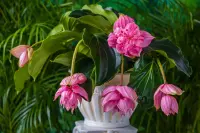
Rose grape
Medinilla magnifica
 POPULAR
Autograph tree
Clusia rosea
 POPULAR
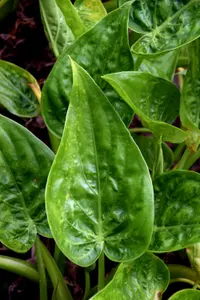
Chinese taro
Alocasia cucullata
 POPULAR
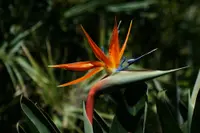
Bird of paradise plant
Strelitzia reginae
 POPULAR
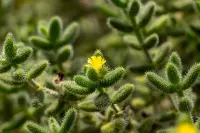
Pickle plant
Delosperma echinatum
 POPULAR
Asparagus fern
Asparagus setaceus
Identify the plant and problem. Help your plant recover
Identify plant problems early, understand what's wrong, and get clear care guidance. Botan helps you turn guesswork into confident plant care