



Wetland Plant Names and Pictures
These plants live in damp conditions where many other species cannot survive. Discover resilient varieties for creating healthy ecosystems and waterside gardens.
Find Plants by Letter
 POPULAR
Money Tree
Pachira aquatica
 POPULAR
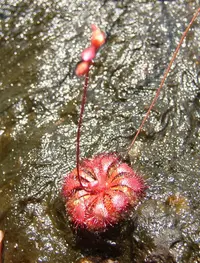
Cape sundew
Drosera capensis
 POPULAR
Spoon-Leaved Sundew
Drosera spatulata
 POPULAR
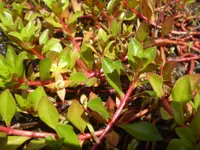
Creeping Primrose-willow
Ludwigia repens
 POPULAR
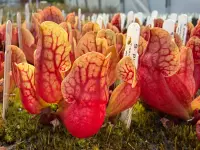
Purple pitcher plant
Sarracenia purpurea
 POPULAR
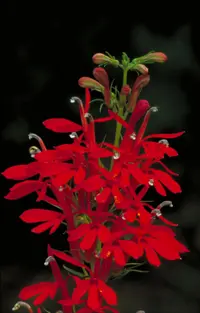
Cardinal flower
Lobelia cardinalis
 POPULAR
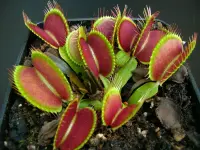
Venus flytrap
Dionaea muscipula
 POPULAR
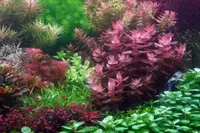
Lemon bacopa
Bacopa caroliniana
 POPULAR
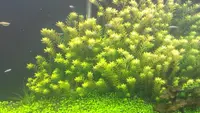
Dwarf rotala
Rotala rotundifolia
 POPULAR
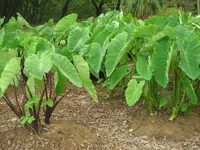
Taro
Colocasia esculenta
 POPULAR
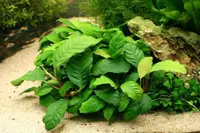
Anubias barteri
Anubias barteri
 POPULAR
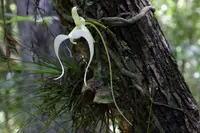
Ghost orchid
Dendrophylax lindenii
 POPULAR
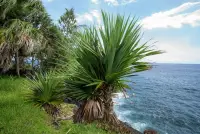
Cabbage tree
Cordyline australis
 POPULAR
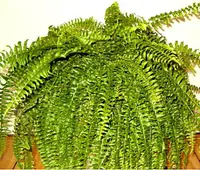
Southern Sword Fern
Nephrolepis exaltata
-1-200x150.webp) POPULAR
POPULARHydrocotyle Japan
Hydrocotyle tripartita
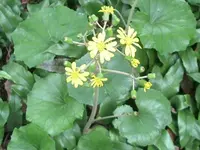
Leopard plant
Farfugium japonicum
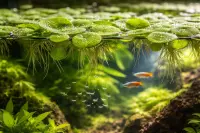
Water spangles
Salvinia minima
 POPULAR
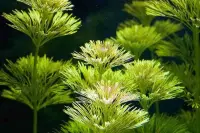
Asian marshweed
Limnophila sessiliflora
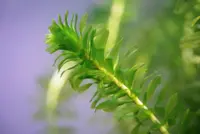
Brazilian waterweed
Elodea densa
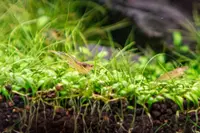
Small Mud-mat
Glossostigma elatinoides
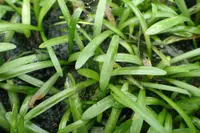
Dwarf Sagittaria
Sagittaria subulata
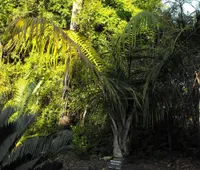
Majesty palm
Ravenea rivularis
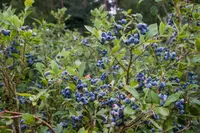
Highbush blueberry
Vaccinium corymbosum

African fig tree
Ficus cyathistipula
What Makes Wetland Plants Unique
Wetlands are home to many plants growing directly in water or on flooded, saturated soils. They are known as hydrophytes, macrophytes, or aquatics, or simply wetland plants. Well-known wetland plant names include Cape sundew, Money tree, Spoon-leaved sundew, and Venus flytrap.
They adapted to most types of wet environments due to specialized methods of collecting oxygen and diffusing potentially harmful gases. That’s why they survive in marshes, swamps, and bogs that are home to many carnivorous plants.
Species from the wetland plants list, such as grasses, sedges, rushes, and wildflowers, also live in fens. Riparian zones are home to many trees (e.g., willows, cottonwoods), shrubs (e.g., Red-osier dogwood, Common snowberry), and multiple grasses.
How Wetland Plants Contribute to the Ecology
These species carry out many useful functions. They store more carbon than they release, slowing down global warming. Their ability to remove nitrogen and phosphorus makes them act like natural water filters.
They also store water during storms, preventing floods. However, the biggest benefit is wildlife diversity. At least 1 in 3 endangered species in the US alone depend on their ecosystems.
The plant communities vary greatly depending on the region. There are tropical wetlands like in the Pantanal in South America and the Congo Basin, temperate wetlands across the globe, and boreal and subarctic wetlands, for example, in Canada and Siberia.
You can find most wetland plants' names and pictures right on this page — take a look to discover the full diversity of these unique systems.