



Temperate Plants
Read about plants that thrive in regions with moderate seasonal climates. Explore trees, shrubs, and flowers suited to changing weather conditions.
Find Plants by Letter
 POPULAR
Japanese aralia
Fatsia japonica
 POPULAR
Bigleaf Hydrangea
Hydrangea macrophylla
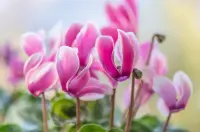 POPULAR
Cyclamen
Cyclamen persicum
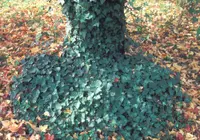 POPULAR
English Ivy
Hedera helix
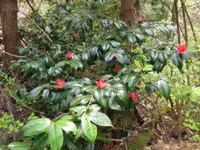 POPULAR
Japanese camellia
Camellia japonica
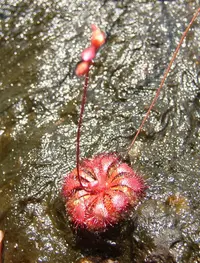 POPULAR
Spoon-Leaved Sundew
Drosera spatulata
 POPULAR
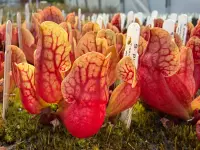
Purple pitcher plant
Sarracenia purpurea
 POPULAR
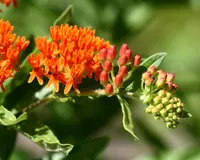
Butterfly weed
Asclepias tuberosa
 POPULAR
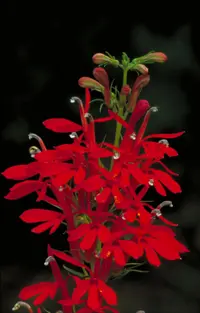
Cardinal flower
Lobelia cardinalis
 POPULAR
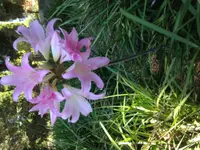
Naked Lady plants
Amaryllis belladonna
 POPULAR
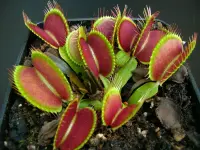
Venus flytrap
Dionaea muscipula
 POPULAR
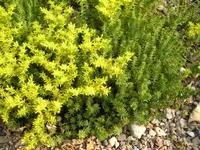
Tasteless Stonecrop
Sedum sexangulare
 POPULAR
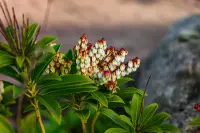
Japanese pieris
Pieris japonica
 POPULAR
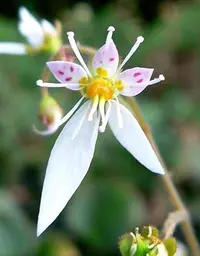
Strawberry saxifrage
Saxifraga stolonifera
 POPULAR
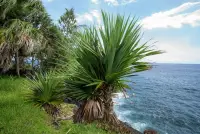
Cabbage tree
Cordyline australis
 POPULAR
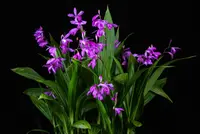
Chinese ground orchid
Bletilla striata
 POPULAR
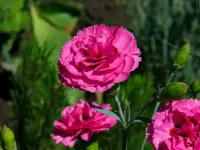
Carnation
Dianthus caryophyllus
-1-200x150.webp) POPULAR
POPULARTasmanian tree fern
Dicksonia antarctica
 POPULAR
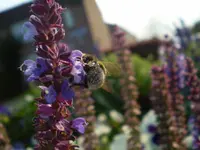
Woodland sage
Salvia nemorosa
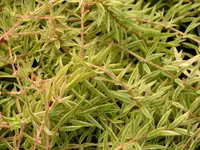 POPULAR
Needle Stonecrop
Sedum lineare
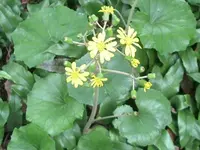
Leopard plant
Farfugium japonicum
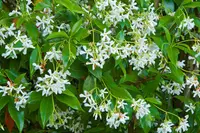 POPULAR
Star jasmine
Trachelospermum jasminoides
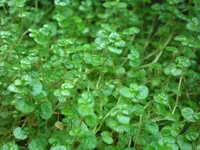 POPULAR
Baby's Tears
Soleirolia soleirolii
 POPULAR
Cliff maids
Lewisia cotyledon
What Temperate Plants Are & How They Adapt
Thousands of plants, from large canopy trees to ornamental flowers and carnivorous species, share one thing in common. They all thrive in a temperate climate that covers most of Europe, the eastern and northwestern United States, southern Canada, eastern Asia, and some parts of Australia and New Zealand. This type of climate is defined by all 4 distinct seasons, including cold winters with temperatures between 26°F and 64°F (-3°C and 18°C).
The ability to survive cold is the definitive adaptive feature of the temperate group. They developed certain mechanisms to adapt, and the key one is dormancy — the ability to stop their growth during winter, drop leaves, and conserve energy.
Before dormancy, plants reabsorb valuable nutrients and store them in stems and roots. As they enter winter, such plants undergo cold acclimation. In spring, they gradually deacclimate.
Endless Temperate Forest Plants List: Diversity & Geography Explained
The major temperate groups include deciduous trees, conifers, shrubs, flowering perennials, spring ephemerals, ornamental grasses, and fruit and nut trees. You might have heard many of the temperate forest plants’ names, such as Field maple, Red oak, Bigleaf hydrangea, Japanese camellia, Woodland sage, English ivy, and others. The group also includes many common garden species in Europe and North America, and they are the ones that can survive winters without protection.
There’s the list of the common, rare, and unique temperate species above. Each plant profile contains full information about the species, its environmental needs, and care requirements, so you can do your own research and choose the best fit for your garden.