Field Maple Care (Acer campestre)

Also known as: hedge maple
Field Maple

About Field Maple

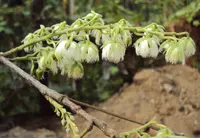
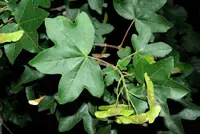
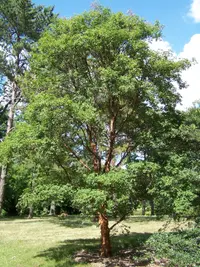
Field maple, Acer campestre, is a small to medium-sized deciduous tree native to much of Europe and parts of western Asia. It is often grown as a landscape tree or hedge. The tree has a rounded crown, small lobed leaves that turn yellow in autumn, and smooth young shoots that become corky with age. Growth is generally moderate and the tree responds well to pruning. It tolerates urban conditions, wind, and a range of soils, which makes it adaptable and relatively easy to establish. To care for Field Maple, provide a sunny to lightly shaded site with moderately moist, well-drained soil.

Main Plant Requirements

Care Difficulty

Easy Care

Light Preference

Full Sun

Water Requirements

Moderate Water

Temperature Preference

Cold Hardy

Hardiness Zone

4–8

Soil Texture

Sandy, Loamy, Clay

Soil pH

Slightly acidic (6.5–7.0), Slightly alkaline (7.0–7.5)

Soil Drainage

Moist but well-drained

Fertilization

Minimal (feed rarely)

Get Personalized Care Plan

Scan your plant to receive care tips personalized for your specific plant

Available on iOS and Android

How to Care for the Field Maple

This species prefers moderate light conditions that mimic open woodland edges.

  • Provide 4–6 hours of direct morning sun with light or dappled shade in the afternoon, especially in hotter regions.
  • Tolerates partial shade, but very dense shade leads to sparse branching, slower growth, and thinner foliage on Field Maple.
  • In hot summers, protect from intense sun between 12–4 p.m. to reduce leaf scorch, especially on young trees or those in exposed, windy sites.

Acer campestre prefers evenly moist but not saturated soil once established.

  • Water newly planted trees when the top 3–5 cm of soil feels dry, focusing on deep soaking at the root zone rather than frequent light sprinkling.
  • In the first 2–3 years, monitor closely during hot, dry spells; drooping leaves that recover by evening suggest mild drought stress and the need for a thorough watering.
  • Ensure soil drains freely; persistent puddling, sour smell, or yellowing leaves with soft new growth indicate excess moisture and risk of root rot.

This hardy tree copes well with a wide range of outdoor temperatures in temperate climates.

  • Active growth is strongest around 60–77°F (16–25°C), with cool springs and mild summers supporting dense foliage formation.
  • Mature trees tolerate winter lows near 0°F (−18°C) once established, but young plants benefit from mulch over the root zone during severe cold snaps.
  • Handles summer heat up to about 90°F (32°C) if soil moisture is maintained; extended periods above this can cause leaf scorch, especially in exposed, dry sites.

Acer campestre handles a wide humidity range and rarely needs special humidity management outdoors or in unheated spaces.

Acer campestre prefers deep, moderately moist, well-structured soil with reliable drainage.

  • Use a loamy soil with a mix of mineral particles and organic matter so roots anchor well yet still receive air.
  • Aim for a slightly alkaline to neutral pH around 6.5–7.8, avoiding strongly acidic sites that can limit nutrient availability.
  • In heavier clay, incorporate coarse sand or fine grit plus compost through the top 20–30 cm to improve drainage and aeration.
  • Avoid spots where water stands after rain or where soil compacts easily, as prolonged saturation promotes root decline.

This species can be grown in containers for many years if the pot provides stable support and consistent moisture balance.

  • Choose a wide, heavy container to counteract wind leverage from the canopy and reduce tipping risk.
  • Use a mineral-rich, loam-based mix that is slightly heavier than typical potting soil to stabilize roots while draining freely.
  • Raise the container on feet or spacers so drainage holes stay clear and excess water can escape quickly after rain or irrigation.

This adaptable tree needs only modest feeding, especially when grown in the ground.

  • For established Field Maple in soil, use a thin layer of compost around the root zone once in spring, then leave unfed.
  • Container-grown plants benefit from a balanced slow-release NPK fertilizer in early spring.
  • Use at 1/2–3/4 the label rate to avoid excessive, weak growth.
  • Do not feed in late fall or winter, when the tree is dormant.

Pruning Acer campestre is mainly done to maintain a healthy framework and clear structure.

  • Best time is late winter to very early spring, before leaf-out, or lightly in midsummer if needed.
  • Remove dead, damaged, crossing, or inward-growing branches first to improve airflow and light.
  • Shorten overly long shoots to maintain size and a balanced, rounded crown.
  • Use clean, sharp bypass pruners or a pruning saw, making cuts just outside the branch collar.

This species is usually grown in the ground, so focus on careful transplanting rather than frequent repotting.

  • Transplant young trees in late fall or very early spring while dormant for least stress.
  • Look for slow growth, poor vigor, or roots circling the container as signs a potted plant needs a larger pot.
  • Lift with a wide root ball, keep roots shaded and moist, and replant at the same soil level in well-drained ground.
  • Water deeply after planting, then keep soil evenly moist for the first growing season to support root establishment.

Acer campestre is most often raised from seed, with layering or cuttings as slower, more advanced options.

  • Collect ripe seeds in fall and use cold stratification at 35–41°F for 8–12 weeks to break dormancy.
  • Sow into a free-draining seed mix, keep slightly moist, and maintain cool conditions for steady germination.
  • For air layering in late spring, girdle a pencil-thick shoot, apply rooting hormone, and wrap with moist sphagnum and plastic.
  • Softwood cuttings in early summer need high humidity, bottom warmth, and rooting hormone, but success rates can be modest.

This tree is naturally cold hardy in most temperate climates and generally needs little winter care.

  • Established in-ground plants tolerate typical frosts and freezing temperatures without extra covering.
  • Apply 5–8 cm of mulch over the root zone in late fall, keeping it away from the trunk to limit rot.
  • For container-grown trees, move pots to a sheltered, unheated but frost-moderated spot or insulate the container sides.

Care Tips

Trunk protection

In young trees, prevent sunscald and frost cracks by using a white tree wrap or painting the south- and southwest-facing trunk with a breathable white latex tree paint from late fall to early spring.

Root flare check

When planting or inspecting established trees, ensure the root flare is visible at soil level and gently remove excess mulch or soil from the trunk base to reduce risk of rot and girdling roots.

Windward staking

On exposed sites, stake only on the windward side with a flexible tie for 1–2 seasons, keeping the stake low and loose enough so the tree can move slightly and develop a strong trunk.

Structural training

In the first 3–5 years, select a single strong leader and evenly spaced lateral branches, removing steeply upright or rubbing shoots during dormancy to build a stable canopy framework.

Mulch ring management

Maintain a 5–10 cm deep, weed‑free mulch ring 30–60 cm beyond the drip line, keeping mulch pulled back a few cm from the trunk to conserve moisture and reduce mower and trimmer damage when growing Field Maple.

Common Pests and Diseases

Verticillium wilt

This disease blocks the water-conducting tissues, causing progressive wilting, leaf yellowing, and dieback, often on one side of the tree first. Symptoms include sparse foliage and brown streaks in the sapwood under the bark.

Solution

Remove and destroy severely affected branches and avoid replanting maples or other susceptible species in the same spot. Keep the tree well watered in dry periods, mulch the root zone, and avoid root damage to reduce stress, as there is no reliable chemical cure for Verticillium wilt.

Tar spot

This disease produces pale yellow leaf spots that develop into raised, shiny black patches on the upper leaf surface in late summer. Symptoms include premature leaf drop but little long-term damage to otherwise healthy trees.

Solution

Rake and remove fallen leaves in autumn to reduce the fungus that overwinters on leaf litter. In gardens or streetscapes, good sanitation and maintaining overall tree vigor are the main Field Maple care instructions for limiting tar spot impact.

Gall mites

These pests cause small wart-like galls, blisters, or raised bumps on leaves, often red, green, or yellow, but usually with little impact on tree health. This pest feeds inside the galls, which protect them from many surface sprays.

Solution

Prune and dispose of heavily infested shoots or leaves if the appearance is unacceptable. Encourage natural predators, avoid unnecessary broad-spectrum insecticides, and tolerate minor infestations, as chemical control is rarely needed.

Aphids

These insects cluster on young shoots and leaf undersides, sucking sap and causing leaf curling, sticky honeydew, and sometimes sooty mold on surfaces below the tree. This pest can attract ants and may distort new growth, especially on young trees.

Solution

If practical, hose off small trees with a strong stream of water to remove colonies, or wipe accessible shoots with a mild insecticidal soap solution. Encourage ladybirds and other natural enemies, and avoid heavy nitrogen fertilization that drives soft, aphid-prone growth.

Leaf scorch

Symptoms include browning and drying of leaf edges, often between veins, typically during hot, dry, or windy weather or where roots are restricted. This disorder is physiological, not infectious, but can weaken stressed trees over time.

Solution

Water deeply during prolonged dry periods, especially for newly planted or street trees, and maintain a 5–8 cm organic mulch over the root zone, keeping it away from the trunk. Reduce other stresses by avoiding soil compaction, mechanical root damage, and excessive pruning, and if possible provide some shelter from reflected heat and hot, drying winds.

Interesting Facts

Naturally small maple

Field maple typically remains a small to medium tree, often forming a dense, rounded crown that suits hedgerows and small woodlands rather than towering forest canopies.

Distinctive milky sap

When a leaf or twig is broken, this species exudes a characteristic milky latex from the cut surfaces, a useful diagnostic trait separating it from several other European maples.

High tolerance to pruning

This maple responds well to regular cutting and shaping, which is why it has long been used for clipped hedges, shelterbelts, and traditional field boundaries in agricultural landscapes.

Botan icon

Did you know?

Field maple is one of the few European native trees that can develop a naturally twisted, fluted trunk and intricate branch patterns under open-grown conditions, which has made it a valued subject for bonsai and small-scale ornamental training in many temperate regions.

FAQs about Field Maple

This species grows at a moderate rate, usually 20–40 cm per year once established. Growth is slower in poor, dry, or compacted soil and faster in deep, fertile, evenly moist ground with good light exposure.

Grow Healthy Plants with Botan Care

Keep your plants happy and healthy with plant identification, disease detection, and easy care guidance.

Botan plant care app — identify plants on mobile

Explore More Plants