Protect New Spear
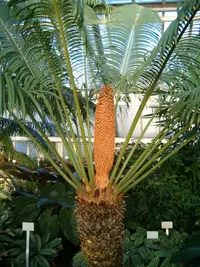
Mark the height of the central spear with a piece of tape on the trunk and check it monthly; if it stops elongating or pulls out easily, treat immediately for bud rot and avoid overhead watering until new growth is firm.

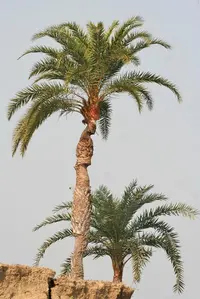
The wild date palm, Phoenix sylvestris, is a medium to large feather-leaved palm valued for its strong trunk and graceful, arching fronds. It often forms a single, tall stem with a crown of blue-green leaves and a rough, patterned bark from old leaf bases.
This species is native to the Indian subcontinent and is commonly used as an ornamental avenue and landscape palm in warm climates. It is moderately fast-growing, relatively drought-tolerant once established, and more cold-hardy than many tropical palms, which makes it easier to adapt in suitable outdoor conditions.
It prefers full sun, well-drained soil, and moderate moisture. Understanding these traits helps guide how to care for wild date palm in gardens or large outdoor containers.

Care Difficulty
Moderate Care

Light Preference
Full Sun

Water Requirements
Moderate Water

Temperature Preference
Warm Climate

Hardiness Zone
8–11

Soil Texture
Sandy, Loamy, Rocky

Soil pH
Slightly acidic (6.5–7.0), Slightly alkaline (7.0–7.5)

Soil Drainage
Well-drained

Fertilization
Minimal (feed rarely)
Scan your plant to receive care tips personalized for your specific plant
Available on iOS and Android
Phoenix sylvestris performs best in strong light with direct sun for most of the day.
Phoenix sylvestris prefers deep, infrequent watering once established.
This palm thrives in warm climates but has some tolerance to brief cold.
Phoenix sylvestris handles a wide humidity range and usually adapts well in typical home conditions.
Phoenix sylvestris prefers mineral-based, sharply draining soil that does not stay wet around the roots.
This palm can be grown in containers, especially when young, if the pot is chosen to manage root depth and stability.
Phoenix sylvestris benefits from moderate, structured feeding in containers and young landscape plants.
Pruning Phoenix sylvestris focuses on safety and health rather than heavy shaping.
Young Phoenix sylvestris in containers or nursery stock may need occasional root management and careful transplanting.
Phoenix sylvestris is usually propagated from seed, which requires patience and consistent warmth.
Mature Phoenix sylvestris is fairly cold tolerant but young or container plants benefit from basic winter care.

Plant Health Check
Not sure what's wrong with your plant? Check your plant's health inside the app.
The wild date palm often develops bluish-grey to blue-green leaflets, a feature that helps distinguish it from the more common date palm Phoenix dactylifera, which tends to have greener foliage.
In parts of India and Bangladesh, its sap is traditionally tapped and boiled to produce jaggery, an unrefined sugar, and this species is considered one of the most important palms for this purpose.
Phoenix sylvestris readily hybridizes with Phoenix dactylifera where both are grown together, sometimes creating intermediate-looking palms that can make precise identification difficult.

Large, mature wild date palms in their native range often act as keystone structures in open landscapes, providing roosting and nesting sites for birds and bats that in turn disperse seeds of many other plant species around them.
Yellowing fronds often come from natural aging, overwatering with poor drainage, or nutrient deficiencies, especially magnesium or potassium. Check soil moisture, improve drainage, and use a balanced palm fertilizer to correct gradual, overall yellowing.
Keep your plants happy and healthy with plant identification, disease detection, and easy care guidance.