Establish strong framework
During the first 2–3 years, select 3–5 well-spaced main branches and remove competing shoots to build a stable framework that resists storm damage and supports heavy flowering later.

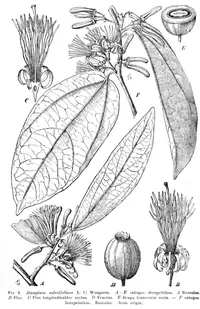
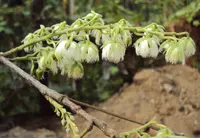
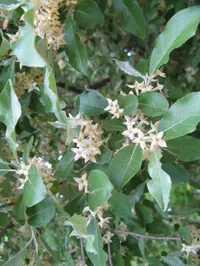
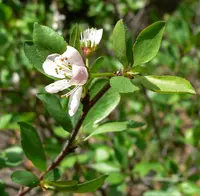
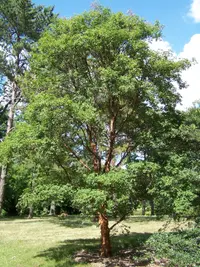
Alangium salviifolium, commonly called sage-leaved alangium, is a small deciduous tree or large shrub, often with a somewhat irregular, spreading crown. The bark is usually pale and rough, while the leaves are simple, gray-green, and slightly textured, giving a sage-like look. In suitable climates it produces small, pale, star-shaped flowers followed by fleshy fruits, which add seasonal interest in gardens and landscape plantings.
This species is native to dry and semi-dry regions of South and Southeast Asia, where it tolerates heat and seasonal drought. In cultivation it prefers sun to light shade, moderately fertile, well-drained soil, and benefits from protection from severe frost. Gardeners who learn how to care for sage-leaved alangium usually find it moderately easy to manage in warm climates.

Care Difficulty
Moderate Care

Light Preference
Full Sun

Water Requirements
Moderate Water

Temperature Preference
Warm Climate

Hardiness Zone
10–12

Soil Texture
Sandy, Loamy, Organic-rich

Soil pH
Slightly acidic (6.5–7.0), Neutral (7.0)

Soil Drainage
Well-drained

Fertilization
Minimal (feed rarely)
Scan your plant to receive care tips personalized for your specific plant
Available on iOS and Android
This small tree prefers bright outdoor conditions with protection from harsh extremes.
This species prefers evenly moist but not saturated soil once established.
This plant is adapted to warm, subtropical to tropical climates with mild winters.
This species tolerates a wide range of humidity and usually does not need special adjustment.
This tree prefers freely draining, moderately fertile soil with a loose, airy structure.
This species can be grown in containers when given enough root space and stable support.
This drought-tolerant tree usually needs modest feeding, especially when grown in poor or depleted soils.
Pruning supports a healthy structure and safe size for Alangium salviifolium in gardens or streetscapes.
This species is usually grown in the ground, so management focuses on careful transplanting of young trees.
Alangium salviifolium is propagated mainly in nurseries, using seeds and semi-hardwood cuttings under controlled conditions.
Established plants in mild to warm climates usually need limited winter attention, but young trees benefit from some protection.

Plant Health Check
Not sure what's wrong with your plant? Check your plant's health inside the app.
This species produces white, star-shaped flowers that open mainly at night and release a noticeable fragrance, which helps attract nocturnal pollinators such as moths.
Despite the name sage-leaved, it is not related to true sage; its narrow, grey-green, slightly hairy leaves only resemble those of culinary sage in shape and texture, an example of convergent leaf form.
This small, thorn-bearing tree is native to seasonally dry habitats in South Asia, where its spines and tough bark help protect it from browsing animals and harsh environmental conditions.

In parts of India and Sri Lanka, this tree is traditionally planted near temples and village boundaries, where its long-lived, gnarled trunks can serve as local landmarks and cultural reference points for generations.
This species has a moderate growth rate. Young plants establish slowly, then can add 20–40 cm of height per year under warm, well-watered, nutrient-rich conditions. Poor soil, drought, or root disturbance noticeably reduce extension growth.
Keep your plants happy and healthy with plant identification, disease detection, and easy care guidance.