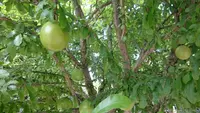
Rootstock selection
Choose grafted plants on disease-resistant rootstocks such as Flying Dragon or C-35 for better nematode resistance, improved cold tolerance, and more predictable tree size when growing Persian lime in home gardens.

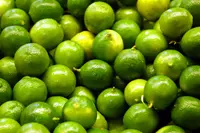
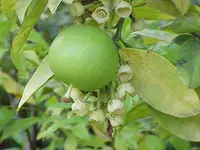
Persian lime, Citrus × latifolia, is an evergreen citrus tree commonly grown for its seedless, aromatic limes. It is often cultivated in warm climates and as a container plant indoors. The tree has glossy green leaves, fragrant white blossoms, and oval fruit that turn yellowish when fully ripe. It tends to have fewer thorns than many other citrus species.
This hybrid originated in tropical and subtropical regions and is now widely grown in commercial orchards and home gardens. It rewards consistent care but can be sensitive to cold, poor drainage, and low light.
Those learning how to care for Persian lime should note that it prefers bright light, regular but moderate watering, and a well-drained, slightly acidic soil mix.

Care Difficulty
Moderate Care

Light Preference
Full Sun

Water Requirements
Moderate Water

Temperature Preference
Tropical / Frost Sensitive

Hardiness Zone
9–11

Soil Texture
Sandy, Loamy, Organic-rich

Soil pH
Acidic (5.5–6.5), Slightly acidic (6.5–7.0)

Soil Drainage
Moist but well-drained

Fertilization
Moderate (every 2–4 weeks)
Scan your plant to receive care tips personalized for your specific plant
Available on iOS and Android
This citrus prefers abundant direct light to produce healthy foliage and fruit.
Citrus × latifolia prefers evenly moist but never waterlogged soil.
This lime thrives in warm, frost-free conditions with stable temperatures.
This citrus prefers moderate air moisture and tolerates typical indoor humidity if roots are managed well.
This species needs a sharply drained, airy mix that stays slightly moist but never soggy.
This citrus is well suited to container growing when the pot controls moisture and supports its eventual size.
Citrus × latifolia benefits from consistent, moderate feeding to support foliage growth and fruiting.
Pruning Citrus × latifolia maintains structure, improves light penetration, and supports healthy fruiting wood.
Container-grown Citrus × latifolia benefits from occasional repotting to maintain root health and stable growth.
Citrus × latifolia is usually propagated vegetatively to maintain fruit quality and plant characteristics.
This lime is frost-sensitive and needs planned winter care in most temperate climates.

Plant Health Check
Not sure what's wrong with your plant? Check your plant's health inside the app.
This lime is a triploid hybrid, meaning it has three sets of chromosomes, which is a major reason its fruits are typically seedless and rarely produce viable seed.
Commercial Persian limes worldwide come from a very limited set of clones, so orchards in different countries often consist of plants that are almost genetically identical.
Compared with key lime and many other lime types, this species tolerates slightly cooler temperatures and brief light frosts, which helped it become the dominant export lime in many subtropical regions.

Most evidence suggests that Persian lime originated as a natural hybrid between key lime (Citrus × aurantiifolia) and citron (Citrus medica), and it became globally important only in the 20th century as large-scale producers favored its thicker peel, better shipping durability, and nearly seedless fruit for international trade.
Yellowing leaves usually come from overwatering, poor drainage, nutrient deficiency (especially nitrogen or iron), or cold stress. Check soil moisture, container drainage holes, fertilization schedule, and any recent temperature drops or drafts affecting this plant.
Keep your plants happy and healthy with plant identification, disease detection, and easy care guidance.