Manchurian catalpa Care (Catalpa bungei)

Manchurian catalpa

About Manchurian catalpa

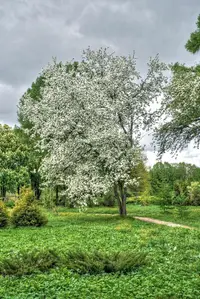
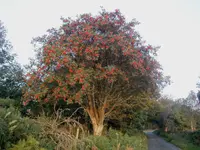
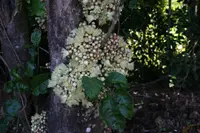
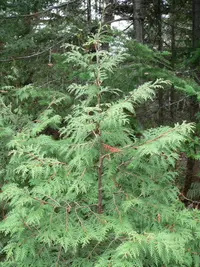
Manchurian catalpa (Catalpa bungei) is a small to medium deciduous tree, often grown for its rounded crown, large heart-shaped leaves, and showy summer flowers. It is native to northern China and is commonly used as a street or courtyard tree in temperate climates.

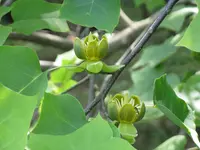
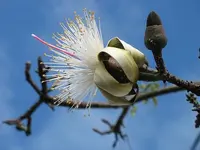
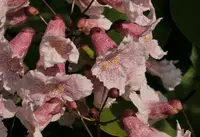
This species typically forms a compact, umbrella-like canopy that provides dense shade. Its flowers are usually white to pale pink with spotted throats, followed by long, bean-like pods.

The tree is generally considered moderately easy to grow, provided it has enough light, space, and reasonably well-drained soil. Understanding how to care for Manchurian catalpa helps prevent issues with weak branching and breakage in windy sites.

Main Plant Requirements

Care Difficulty

Easy Care

Light Preference

Full Sun

Water Requirements

Moderate Water

Temperature Preference

Cold Hardy

Hardiness Zone

5–8

Soil Texture

Loamy, Clay, Organic-rich

Soil pH

Slightly acidic (6.5–7.0), Slightly alkaline (7.0–7.5)

Soil Drainage

Moist but well-drained

Fertilization

Minimal (feed rarely)

Get Personalized Care Plan

Scan your plant to receive care tips personalized for your specific plant

Available on iOS and Android

How to Care for the Manchurian catalpa

This small deciduous tree prefers bright outdoor conditions with several hours of direct sun for dense growth and flowering.

  • Provide 6–8 hours of direct sun daily, ideally with morning sun and light afternoon shade in hotter regions to reduce leaf scorch risk.
  • Tolerates light partial shade (about 3–4 hours direct sun), but Manchurian catalpa may develop a looser canopy and fewer flowers in shadier sites.
  • In summer, protect young trees from intense late-afternoon sun with neighboring plants or structures; in winter, full exposure is acceptable and beneficial.

This species prefers evenly moist, well-drained soil, especially while establishing in the landscape.

  • Before watering, check that the top 3–5 cm of soil have dried; soil should feel slightly dry at the surface but still cool and moist just below.
  • During the first 2–3 growing seasons, supply a deep soak when leaves start to lose slight turgor or the soil dries more than 5 cm, then reduce frequency as roots expand.
  • Use soil with good drainage to avoid puddling; yellowing leaves, soft new growth, and persistent wetness signal overwatering, while crisp leaf edges and premature drop suggest underwatering.

This hardy tree tolerates a wide temperature range but grows best in moderate, temperate climates.

  • Active growth is strongest around 65–80°F (18–27°C); young shoots and flower buds develop best when spring temperatures stay within this range.
  • Mature trees typically survive down to about -20°F (-29°C), but late spring frosts just below 32°F (0°C) can damage emerging leaves and buds.
  • Tolerates summer heat up to about 95°F (35°C) if soil moisture is maintained; prolonged hotter, dry periods can cause leaf scorch and early leaf drop.

Humidity is rarely a concern outdoors for this species, which handles a wide range of ambient conditions.

Catalpa bungei prefers moderately fertile, well-structured soil that stays evenly moist yet drains freely.

  • Use a deep loam with a mix of mineral soil and organic matter such as compost to support strong root development.
  • Aim for slightly acidic to neutral pH around 6.0–7.5 to keep nutrients available and growth balanced.
  • Improve drainage and aeration on heavy clay sites by incorporating coarse sand or fine gravel plus well-rotted compost into the top 30–40 cm.
  • Avoid compacted, waterlogged, or very shallow soils that stay saturated after rain, as these promote root rot and weak anchorage.

This species is generally not well suited to long-term container growing due to its eventual size and root vigor.

Catalpa bungei grows well in average soil and usually needs only light feeding to support steady growth.

  • Apply a balanced slow-release fertilizer (around 10-10-10) once in early spring as new growth begins.
  • Use a thin layer of compost over the root zone in spring to improve soil structure and nutrient availability.
  • During the growing season, if growth looks weak, use a half-strength balanced liquid feed no more than once a month.
  • Stop feeding in late summer to allow wood to harden before winter and avoid stimulating tender late growth.

Catalpa bungei benefits from structured pruning to maintain a strong framework and safe, balanced canopy.

  • Carry out main pruning in late winter or very early spring before bud break, when branch structure is easy to see.
  • Remove dead, diseased, or storm-damaged wood first, cutting back cleanly to a healthy lateral branch or trunk collar.
  • Thin crowded interior branches to improve light and airflow, which supports stronger growth and reduces disease problems.
  • Use sharp bypass pruners or a clean pruning saw, making smooth cuts without leaving stubs that can invite decay.

This species is usually grown as a landscape tree, so focus on careful transplanting of young specimens rather than frequent repotting.

  • Move container-grown trees when roots circle the pot, growth stalls, or watering becomes difficult due to dense roots.
  • Transplant in early spring or early fall, when temperatures are mild and soil moisture is consistent.
  • Aim to transplant only every few years, giving roots time to establish in each new site with adequate space.
  • Dig a wide planting hole, keep the rootball intact, set at the same depth, water deeply, and mulch to limit stress.

Gardeners typically propagate Catalpa bungei from seed or softwood cuttings taken from healthy parent trees.

  • Collect ripe seed pods in late summer to fall, then sow seeds in spring in a free-draining, slightly moist seed mix.
  • Provide bright light, temperatures around 65–75°F, and even moisture to support steady germination and seedling growth.
  • Take softwood cuttings in late spring to early summer, 10–15 cm long, from non-flowering, vigorous shoots.
  • Dip cut bases in rooting hormone, place in a moist, well-aerated medium, and maintain high humidity until roots form.

Established Catalpa bungei trees are generally cold hardy in temperate climates and need minimal winter attention outdoors.

  • Apply 5–8 cm of organic mulch over the root zone in late fall, keeping it slightly away from the trunk to avoid rot.
  • Young or newly transplanted trees benefit from mulch and wind exposure reduction to limit freeze-thaw stress.
  • Move container-grown specimens to a sheltered, unheated but frost-free area, and water sparingly to keep roots just moist.

Care Tips

Train Standard Form

In the first 3–5 years, select a single strong leader and remove competing stems in late winter to develop a stable lollipop crown that will better resist wind and snow load.

Manage Surface Roots

Apply a 5–8 cm mulch ring out to the dripline and avoid turf right up to the trunk to reduce competition, protect shallow roots from mower damage, and keep soil moisture more even.

Support Heavy Branches

On young trees with a dense top, thin crossing or overly upright shoots and lightly shorten excessively long branches to reduce the risk of breakage during storms.

Minimize Sucker Growth

Inspect the trunk and root zone 2–3 times per season and remove basal shoots and root suckers cleanly at their origin to maintain the desired tree form and prevent a thicket.

Plan Long-Term Space

When growing Manchurian catalpa, allow for its mature canopy spread by planting at least 3–4 m from buildings, fences, and overhead lines to avoid heavy corrective pruning later.

Common Pests and Diseases

Catalpa sphinx caterpillar

This pest is the larval stage of a hawk moth that can rapidly defoliate trees by feeding on leaves in large groups. Symptoms include chewed foliage, skeletonized leaves, and large dark droppings under the canopy.

Solution

Hand-pick caterpillars from small trees and destroy them, and prune off heavily infested twigs if practical. For heavier outbreaks, use a Bacillus thuringiensis (Bt) product or a spinosad-based spray directed to the foliage in late spring to early summer, following label directions and avoiding application during peak pollinator activity.

leaf spot

This disease causes small brown to black spots on leaves that may enlarge, merge, and lead to premature leaf drop, especially in wet summers. Symptoms include scattered lesions often with yellow halos and thinning of the canopy by late season.

Solution

Rake and remove fallen leaves to reduce inoculum, and avoid overhead watering that keeps foliage wet for long periods. In landscapes with recurring severe problems, improve air circulation by selective pruning and consider a protective copper or chlorothalonil fungicide at leaf-out and during prolonged wet periods, following label limits.

Verticillium wilt

This disease is caused by soilborne fungi that invade the water-conducting tissues, leading to wilting and dieback. Symptoms include one-sided branch wilt, yellowing leaves, branch death, and sometimes brown streaks in the sapwood under the bark.

Solution

Prune out affected branches well into healthy wood, sterilizing tools between cuts, and keep the tree well watered during dry spells to reduce stress. Do not replant Catalpa or other Verticillium-sensitive species in the same spot; instead, choose tolerant trees and maintain overall health as the main management strategy since fungicides are not effective in soil.

powdery mildew

This disease produces white to gray powdery patches on the upper leaf surface, especially in shaded, humid conditions. Symptoms include distorted new growth and a dull, dusty appearance on foliage, though mature trees are rarely severely harmed.

Solution

Increase light and airflow by thinning nearby vegetation and avoid dense, crowded plantings. Remove heavily infected leaves when practical and, in high-value plantings, use a labeled horticultural oil or potassium bicarbonate spray early in the season if powdery mildew becomes persistent.

scale insects

These insects attach to twigs and branches as small, immobile bumps that suck plant sap, causing yellowing leaves, twig dieback, and sticky honeydew that can lead to sooty mold. This pest is often overlooked until sooty deposits or declining vigor become obvious.

Solution

Prune out and dispose of heavily infested twigs on smaller trees and gently scrub accessible branches with a soft brush and soapy water to dislodge scales. For larger trees or heavy infestations, apply a horticultural oil spray during the dormant or crawler stage, or use a systemic insecticide containing imidacloprid applied as a soil drench according to label directions as part of broader Catalpa bungei care instructions.

Interesting Facts

Distinct dome-shaped crown

Catalpa bungei naturally forms a dense, rounded crown with short internodes, which is why it is widely used in China as a grafting stock to create compact, umbrella-like street and courtyard trees.

Native to northern China

This species is indigenous mainly to northern and central China, where it is adapted to cold winters and continental climates, making it more cold-hardy than many other catalpa species used in horticulture.

Ornamental flower clusters

The tree produces upright panicles of white, bell-shaped flowers with purple and yellow markings, and in China these floral displays have long been valued in temple courtyards and formal gardens for their showy but relatively compact appearance.

Botan icon

Did you know?

In traditional Chinese cultivation, Catalpa bungei has been selectively used and pruned for centuries to create standardized shade trees along avenues and in courtyards, leading to a characteristic lollipop-like form that strongly influenced modern ornamental training of catalpa in urban landscaping.

FAQs about Manchurian catalpa

Lack of flowers usually comes from shade, juvenile age, or heavy nitrogen fertilization. Late frosts can also damage flower buds. Give it time to mature, avoid overfertilizing, and protect from spring frost where possible.

Grow Healthy Plants with Botan Care

Keep your plants happy and healthy with plant identification, disease detection, and easy care guidance.

Botan plant care app — identify plants on mobile

Explore More Plants