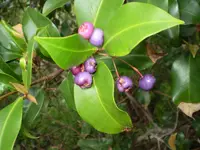
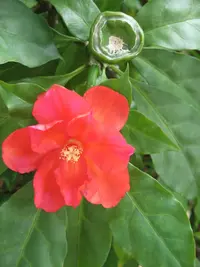
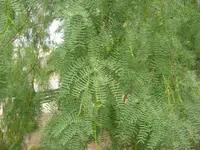
white apple Care (Syzygium cormiflorum)

Also known as: wild apple, bumpy satinash, Cairns satinash
white apple

About white apple

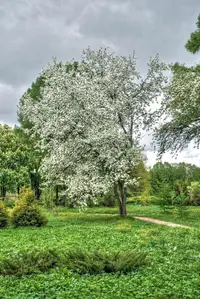
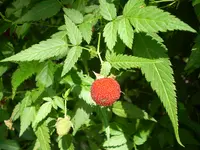
White apple, Syzygium cormiflorum, is a tropical evergreen tree from the myrtle family, native to rainforests of northeastern Australia. It is mainly grown for its glossy foliage, clusters of white flowers, and edible berry-like fruits.

In cultivation it usually grows as a small ornamental tree or large shrub with dense branching and a rounded canopy. The fruits attract birds and can be used fresh or processed.

This species prefers warm, frost-free climates, consistent moisture, and well-drained, slightly acidic soil. Its moderate growth rate and general toughness make it manageable for gardeners who want to learn how to care for white apple without dealing with a very demanding species.

Main Plant Requirements

Care Difficulty

Moderate Care

Light Preference

Partial Sun

Water Requirements

Regular Water

Temperature Preference

Tropical / Frost Sensitive

Hardiness Zone

10–11

Soil Texture

Sandy, Loamy, Organic-rich

Soil pH

Acidic (5.5–6.5), Slightly acidic (6.5–7.0)

Soil Drainage

Moist but well-drained

Fertilization

Minimal (feed rarely)

Get Personalized Care Plan

Scan your plant to receive care tips personalized for your specific plant

Available on iOS and Android

How to Care for the white apple

Syzygium cormiflorum prefers bright, indirect light with some gentle direct sun for best growth.

  • Provide 4–6 hours of morning sun with light afternoon shade, or filtered sun all day under taller trees.
  • The canopy tolerates partial shade, but flowering and fruiting of white apple decline if light drops below about 3–4 hours of bright exposure daily.
  • Protect from harsh midday summer sun to avoid leaf scorch; in winter, remove shade cloth or prune overhead cover to increase light levels.

Syzygium cormiflorum grows best in evenly moist, well-drained soil that never stays soggy.

  • Before watering, let the top 3–5 cm of soil feel slightly dry, then water deeply so moisture reaches the root zone.
  • Increase watering frequency in hot, windy weather when new growth may wilt slightly by late afternoon; reduce in cool or rainy seasons to prevent root rot.
  • Watch for yellowing, soft leaves and a sour smell as signs of overwatering, and for crisp leaf edges and slow growth as signs of underwatering.

This species prefers warm, frost-free conditions that mimic a tropical to subtropical climate.

  • Aim for 70–85°F (21–29°C) for active growth, with brief tolerance up to about 90°F (32°C) if soil moisture is maintained.
  • Avoid temperatures below 45°F (7°C); damage often appears near 40°F (4°C), and hard frost can kill young shoots or entire small plants.
  • In cooler regions, site the plant in a warm, sheltered microclimate, away from cold winds and low-lying frost pockets, to extend its safe growing season.

This species prefers moderately humid air but tolerates typical indoor levels if not extremely dry.

  • Aim for 50–70% humidity, especially for young foliage and container-grown white apple plants.
  • Dry air can cause leaf tip browning and slight edge curl, often starting on newer leaves.
  • Increase humidity with a nearby tray of water and pebbles, grouped plants, or a room humidifier rather than frequent misting.

Syzygium cormiflorum grows best in loose, moist, slightly acidic to neutral soil with strong drainage.

  • Use a loamy mix of 50% composted organic matter, 30% pine bark fines, and 20% coarse sand or perlite for structure and aeration.
  • Aim for pH 5.5–7.0; peat or pine bark helps acidify if tap water is alkaline.
  • Ensure water drains freely within a few minutes; heavy clay or compacted mixes increase root-rot risk.
  • Improve drainage by raising beds, incorporating coarse grit, and avoiding high proportions of fine peat alone.

This species can adapt well to container growing when the pot is chosen and managed carefully.

  • Select a deep, wide container to allow a strong woody root system to anchor the tall canopy without rocking in wind.
  • Use a heavier pot material such as ceramic or thick-walled plastic to improve stability for the dense, top-heavy crown.
  • Leave 3–5 cm from soil surface to pot rim so surface watering does not overflow and can soak in evenly.

This rainforest tree benefits from light, balanced feeding when cultivated, even though wild white apple often thrives in low-fertility soils.

  • Apply a balanced slow-release fertilizer (e.g., 10-10-10) at half strength at the start of spring and midsummer.
  • Alternatively, top-dress with a thin layer of well-rotted compost, keeping it away from the trunk.
  • Water thoroughly after feeding to distribute nutrients through the root zone.
  • Stop fertilizing in late summer so new growth hardens before cooler winter conditions.

Pruning supports safe structure and manageable size for Syzygium cormiflorum in gardens or large containers.

  • Carry out main pruning in late winter or early spring before vigorous new growth begins.
  • Remove dead, diseased, crossing, or crowded branches with sharp, clean bypass pruners or a pruning saw.
  • Shorten overly long shoots to maintain a balanced canopy and encourage denser branching.
  • Avoid heavy cutting into old wood in a single season; spread structural adjustments over 2–3 years.

This species is usually grown in the ground, so focus on careful transplanting rather than frequent repotting.

  • Transplant in late winter or early spring when growth is slower and temperatures are mild.
  • Look for signs such as circling roots in containers, slow growth, or the plant drying out rapidly between waterings.
  • Move into a hole or container just 1–2 sizes larger, using a well-drained, slightly acidic soil mix.
  • Water deeply after transplanting, then keep soil evenly moist and shade the canopy for 1–2 weeks to reduce transplant shock.

Propagation of this tree is achievable but slow, mainly through semi-hardwood cuttings or fresh seed.

  • Take semi-hardwood cuttings in late spring or early summer, 10–15 cm long, with a few leaves retained.
  • Dip the cut base in rooting hormone, then place in a free-draining mix under high humidity and bright, indirect light.
  • Sow fresh seeds in a warm (70–80°F), consistently moist medium; germination may take several weeks.
  • Maintain gentle bottom warmth and avoid waterlogging to limit rot during rooting or germination.

This tropical to subtropical tree dislikes freezing conditions and needs protection in cooler climates.

  • In frost-prone areas, grow in a large container and move indoors or into a greenhouse before temperatures drop below 40°F.
  • Mulch the root zone with 5–8 cm of organic material, keeping it slightly away from the trunk.
  • In marginal climates, use frost cloth on young trees during cold snaps and avoid winter watering that leaves soil saturated.

Care Tips

Formative structural pruning

In the first 3–5 years, remove crossing branches and lightly shorten overly vigorous shoots after flushes to build a strong, open framework that can support heavy fruit clusters later.


Wind-hardening young trees

In breezy sites, use a low, loose stake for the first 1–2 years and gradually reduce support so the trunk flexes and thickens, producing a sturdier tree that is less likely to snap under fruit load.

Mulch for root cooling

Apply a 5–8 cm layer of coarse organic mulch from 10 cm away from the trunk out to the dripline to moderate soil temperature, reduce weed competition, and maintain more even moisture for fine feeder roots.

Targeted fruit thinning

On heavily setting branches, pinch off a portion of small immature fruit so that remaining clusters are spaced 10–15 cm apart, which reduces limb stress and improves fruit size and quality.

Canopy hygiene checks

During humid periods, inspect inner branches every 2–4 weeks and remove dense, shaded twigs and any mummified fruit to keep air moving through the canopy and limit fungal disease pressure when growing white apple.

Common Pests and Diseases

psyllids

This pest feeds on young foliage and shoots, causing puckered, distorted leaves and tiny lumps or pits on the surface. Symptoms include sticky honeydew and sometimes sooty black growth on leaves.

Solution

Prune and dispose of heavily infested shoot tips, then hose down foliage to remove nymphs and honeydew. For ongoing Syzygium cormiflorum care, use horticultural oil or insecticidal soap directed at new flushes of growth, and encourage natural predators by avoiding broad-spectrum insecticides nearby.

leaf blister gall

This disease causes raised, blister-like swellings or galls on leaves, often pale, pinkish, or distorted. Symptoms include thickened leaf tissue and occasional premature leaf drop on affected branches.

Solution

Remove and discard affected leaves and any severely affected twigs to reduce the source of infection. Improve airflow through light pruning of dense growth and avoid overhead watering of foliage; in persistent cases, apply a registered fungicide at the start of new leaf flush according to label directions.

myrtle rust

This disease produces yellow to orange powdery pustules on young leaves, stems, and new shoots, often leading to deformation and dieback. Symptoms include yellow spots that later darken and may cause leaf drop and tip death.

Solution

Immediately remove and seal affected foliage and shoots in a bag for disposal to limit spore spread, and avoid working with plants when foliage is wet. Improve spacing and airflow, keep the plant vigorous with appropriate water and nutrition, and where allowed, use a myrtle rust–registered fungicide preventively during warm, humid periods.

scale insects

These insects appear as small, immobile bumps on stems and leaf undersides, sucking sap and weakening the plant. Symptoms include sticky honeydew, sooty mold growth, and yellowing leaves on stressed branches.

Solution

Wipe or gently scrub infested areas with a cloth or soft brush dipped in soapy water or horticultural oil, then rinse lightly. For larger shrubs or trees, use a horticultural oil spray that thoroughly coats stems and leaf undersides, and repeat as needed to target young crawlers while monitoring for ant activity that may protect the scale.

shoot dieback

This disease affects young twigs and branch tips, causing wilting, browning, and gradual tip death, often following insect damage or stress. Symptoms include blackened or sunken areas on stems and a thinning canopy in affected sections.

Solution

Cut back infected shoots well into healthy wood and dispose of prunings away from other Myrtaceae plants. Disinfect pruning tools between cuts, reduce plant stress through consistent watering and balanced fertilization, and improve airflow; in recurring cases, consult local guidance about using an appropriate systemic fungicide as part of broader white apple care instructions.

Interesting Facts

Cauliflorous flowering habit

This species bears its flowers and fruits directly on older woody stems and branches, a trait called cauliflory, which allows trunk-climbing animals to access the fruit easily in dense rainforest.

Specialist cassowary food

The fruits are an important food source for the southern cassowary in northeastern Queensland rainforests, and the large seeds are dispersed after passing through the bird’s digestive system.

Rainforest canopy tree

In its native Queensland lowland and upland rainforests, this tree can reach the upper canopy, forming part of the tall, humid forest structure that shades and protects many shade-tolerant understory plants.

Botan icon

Did you know?

Cassowary dispersal of this species’ large seeds has been documented as one of the clearest examples of a modern megafaunal seed dispersal system persisting in Australian rainforests, highlighting how tightly linked the tree’s reproduction is to a single large bird.

FAQs about white apple

Growth is moderate. Young plants usually add 30–60 cm per year once established, slower in containers. Warm temperatures, consistent moisture, and regular feeding support growing white apple more vigorously, while poor soil and drought slow extension growth noticeably.

Grow Healthy Plants with Botan Care

Keep your plants happy and healthy with plant identification, disease detection, and easy care guidance.

Botan plant care app — identify plants on mobile

Explore More Plants