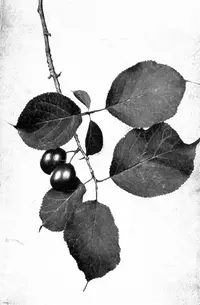
paperbark maple Care (Acer griseum)

paperbark maple

About paperbark maple

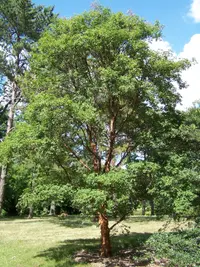
Paperbark maple, Acer griseum, is a small deciduous tree valued for its decorative peeling cinnamon-brown bark and fine textured foliage. It grows slowly with an upright, rounded crown, making it suitable for smaller gardens and mixed landscapes.

This species is native to central China but is widely planted in temperate regions for year-round interest, especially in winter. Its papery bark and reliable orange to red autumn color are the main ornamental features.

The tree is generally considered adaptable and not difficult to grow if given well-drained soil and consistent moisture. Understanding how to care for paperbark maple mainly involves providing adequate light and avoiding waterlogged conditions.


Main Plant Requirements

Care Difficulty

Moderate Care

Light Preference

Full Sun

Water Requirements

Moderate Water

Temperature Preference

Cold Hardy

Hardiness Zone

4–8

Soil Texture

Loamy, Sandy, Clay

Soil pH

Acidic (5.5–6.5), Slightly acidic (6.5–7.0)

Soil Drainage

Moist but well-drained

Fertilization

Minimal (feed rarely)

Get Personalized Care Plan

Scan your plant to receive care tips personalized for your specific plant

Available on iOS and Android

How to Care for the paperbark maple

Acer griseum performs best in bright outdoor sites with moderate, not extreme, sun exposure.

  • Provide 4–6 hours of direct sun daily, ideally morning sun with light afternoon shade, especially in hotter regions.
  • Tolerates light to partial shade, but very dense shade reduces fall color intensity and slows growth of paperbark maple.
  • In hot summers, protect from strong afternoon sun to reduce leaf scorch and bark stress, while in cooler climates it can handle near-full sun if soil moisture is maintained.

Acer griseum prefers evenly moist, well-drained soil without long periods of drought or saturation.

  • Water when the top 3–5 cm of soil feels dry, applying a deep soak to reach the root zone rather than frequent light sprinkling.
  • Reduce watering frequency in fall and winter, but do not allow prolonged drying that causes limp, curling leaves, a common sign of underwatering.
  • Ensure soil drains freely; persistent puddling, yellowing leaves, or dieback of small twigs often indicates overwatering or poorly drained sites.

This species is a hardy temperate tree that tolerates cold winters and moderate summer heat.

  • Optimal growing temperatures are around 60–80°F (16–27°C) during the active season, with cooler nights supporting good color development.
  • Mature trees tolerate winter lows near -20°F (-29°C), but young plants benefit from protection from harsh wind and freeze–thaw cycles.
  • Handles summer heat up to about 90°F (32°C) if soil moisture is consistent; prolonged heat or hot drying winds can cause leaf scorch, especially on exposed sites.

Humidity is rarely a concern for Acer griseum grown outdoors in its usual climates.

Acer griseum prefers evenly moist, well-structured soil that does not stay waterlogged.

  • Use a deep loamy soil rich in organic matter, combining garden loam with composted bark or well-rotted compost.
  • Aim for slightly acidic to neutral pH around 6.0–7.0, avoiding strongly alkaline, chalky ground that can limit nutrient uptake.
  • Ensure drainage by avoiding compacted clay; incorporate coarse sand or fine gravel to improve pore space and water movement.
  • Maintain a cool, aerated root zone with a 5–8 cm organic mulch layer, keeping mulch a few cm away from the trunk.

This species can be grown in containers for many years, but only with careful management of root space and stability.

  • Choose a tall, heavy container that resists tipping and allows roots to extend downward rather than circling near the surface.
  • Use a free-draining mix such as 2 parts loam, 1 part compost, 1 part fine bark to balance moisture retention and aeration.
  • Position the container where wind exposure is reduced, since the canopy can act as a sail and stress the root system in a pot.

This species grows well in modest soils and usually needs only light feeding once established.

  • Apply a thin layer of compost or well-rotted manure over the root zone in early spring to support growing paperbark maple.
  • Use a balanced slow-release fertilizer (around 8-8-8 to 10-10-10) in spring for young or nutrient-poor site trees.
  • Feed once per year during the growing season; skip or greatly reduce fertilization in winter dormancy.
  • If using liquid feed on container-grown plants, dilute to 1/2 strength and apply only to moist soil.

Pruning Acer griseum is mainly about gentle shaping and maintaining tree health.

  • Schedule structural pruning in late winter to early spring before bud break.
  • Remove dead, diseased, damaged, or crossing branches first, cutting back to a healthy outward-facing bud or branch collar.
  • Thin dense interior shoots selectively to improve light and air flow without spoiling the natural form.
  • Use clean, sharp bypass pruners or loppers, making small, precise cuts rather than large heading cuts.

Acer griseum is usually grown in the ground, so focus on careful transplanting rather than frequent repotting.

  • Transplant in early spring or early fall when temperatures are mild and soil moisture is steady.
  • Look for signs like slow growth, poor vigor, or roots circling the nursery container before moving a young tree.
  • Choose a slightly larger planting hole with well-drained soil, keeping the root flare level with the final soil surface.
  • Water deeply after planting, mulch 5–8 cm around (not against) the trunk, and keep soil evenly moist to limit transplant shock.

Propagation of Acer griseum is possible but slow and technically demanding for most home growers.

  • Seed is the most common method; collect winged seeds in fall and use cold stratification (chilling moist seed) for several months.
  • Sow pre-treated seed in a free-draining, slightly acidic mix and keep evenly moist in bright, indirect light.
  • Air layering on semi-mature branches in late spring to early summer can work but roots often form slowly.
  • Cuttings are difficult to root and usually require controlled humidity, bottom heat, and rooting hormone to have any success.

Mature Acer griseum trees are cold hardy and normally need little winter care in most temperate gardens.

  • In colder zones or very exposed sites, apply a 5–8 cm mulch layer over the root zone, keeping it off the trunk.
  • Water well before ground freeze in late fall so roots enter winter well hydrated.
  • Container-grown trees in cold climates benefit from moving to a sheltered, unheated but frost-moderated location.

Care Tips

Protect peeling bark

Install a simple wire mesh or low barrier around the trunk during construction or heavy traffic to prevent accidental knocks and bark stripping, which is critical because the decorative peeling bark does not recover well from impact damage.

Summer mulch ring

Maintain a 5–8 cm deep, mulch-only ring out to the drip line, keeping mulch 5–8 cm away from the trunk, to keep roots cool, reduce mower damage, and stabilize soil moisture for healthier long-term structure.

Gentle structural training

In the first 5–7 years, selectively remove or shorten only crossing or weakly attached branches in late winter so the tree develops a stable, open framework that can carry snow and wind without breakage later.

Root zone protection

Avoid frequent soil disturbance, compaction, or planting turf directly over the root zone; instead, underplant with shallow-rooted groundcovers to protect fine feeder roots and improve long-term vigor when growing paperbark maple.

Wind and sun acclimation

When planting in an exposed site, use temporary windbreak fabric and avoid sudden removal of nearby shade trees so the canopy and bark adjust gradually, reducing the risk of sunscald and desiccation of young shoots.

Common Pests and Diseases

Verticillium wilt

This disease causes gradual wilting, dieback of branches, and sometimes one-sided crown decline, often with discolored streaking in the sapwood. Symptoms include sparse foliage, small leaves, and premature leaf drop on affected branches.

Solution

Prune out and destroy affected branches, cutting back to healthy wood and disinfecting tools between cuts. Avoid water stress, keep mulch away from the trunk, do not plant other Verticillium-susceptible trees nearby, and if decline is severe, remove the tree and avoid replanting maples in the same spot for several years.

Leaf scorch

Symptoms include browning and crisping of leaf edges, often between veins, with leaves sometimes curling and dropping early during hot, dry, or windy conditions. This issue is typically environmental rather than infectious but can be more noticeable on paperbark maple in exposed sites.

Solution

Provide consistent soil moisture with deep, infrequent watering, add a 5–8 cm organic mulch layer over the root zone (not touching the trunk), and protect young trees from intense afternoon sun and drying winds. Avoid high-salt fertilizers and compacted, shallow soils that restrict root growth.

Scale insects

These insects appear as small, dome-shaped or flat bumps on twigs and branches, sometimes accompanied by sticky honeydew and sooty mold. This pest can cause gradual branch weakening, reduced vigor, and poor new growth.

Solution

For light infestations, gently scrub affected branches with a soft brush and soapy water while the tree is dormant. For heavier problems, apply horticultural oil during the dormant season to smother overwintering scales, and encourage natural predators such as lady beetles by avoiding broad-spectrum insecticides.

Aphids

This pest clusters on young shoots and leaf undersides, sucking sap and causing distorted new growth, sticky honeydew, and sometimes sooty mold. These insects are often more noticeable during flushes of tender spring growth.

Solution

Spray infested shoots with a strong stream of water to dislodge aphids, repeating as needed, and prune out heavily infested soft tips if practical. If populations remain high, use insecticidal soap or light summer horticultural oil, applied thoroughly to leaf undersides and new shoots, following label directions to avoid leaf burn.

Tar spot

This disease produces raised, black, tar-like spots on leaves, sometimes surrounded by yellowish areas, mostly as a cosmetic issue on maples. Symptoms include unsightly foliage late in the season but usually no serious long-term harm to tree health.

Solution

Rake and remove fallen leaves in autumn to reduce the fungal spores that overwinter in leaf litter. In most landscapes no chemical control is needed; prioritize Acer griseum care practices such as good spacing, pruning for airflow, and avoiding overhead irrigation that keeps leaves wet for long periods.

Interesting Facts

Naturally peeling bark

The tree develops thin cinnamon-colored bark that curls and peels in papery strips, revealing smoother, lighter layers beneath and creating a strong visual contrast in winter.

Small, persistent samaras

Its winged seeds (samaras) are smaller and less numerous than those of many other maples, and they often remain on the branches into winter, providing seasonal interest and some food for small wildlife.

Slow growth, dense wood

This species grows relatively slowly and develops dense, fine-textured wood, which contributes to its compact stature and makes mature trees more wind-firm than many faster-growing maples.

Botan icon

Did you know?

In its native range in central China, wild populations of Acer griseum are considered rare and fragmented, which has led to conservation concern and inclusion in ex situ collections such as arboreta to help preserve its genetic diversity.

FAQs about paperbark maple

This species grows slowly, typically 15–30 cm per year under good conditions. Growth is faster in youth, then gradually slows. Consistent moisture, mulching, and avoiding high-heat or drought stress support steady but not rapid development.

Grow Healthy Plants with Botan Care

Keep your plants happy and healthy with plant identification, disease detection, and easy care guidance.

Botan plant care app — identify plants on mobile

Explore More Plants