Salt-wind hardening
If planting near the coast, gradually expose young plants to salt-laden winds over 2–3 weeks by moving windbreaks farther away every few days so tissues adapt and are less likely to scorch or defoliate.

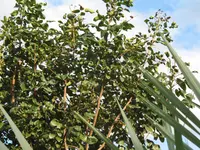
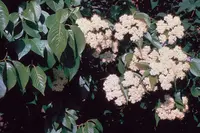
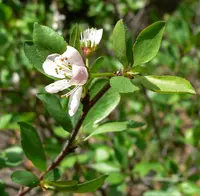
Sea torchwood (Amyris elemifera) is a small, slow-growing evergreen tree or large shrub native to coastal areas of Florida, the Caribbean, and Central America. It typically forms a dense, rounded crown with fine-textured, glossy foliage and small white flowers that are followed by dark berries.
This species is adapted to dry, rocky, or sandy sites and tolerates salt spray and strong sun, which makes it suitable for tough coastal landscapes. It prefers well-drained soil and does not like prolonged wet conditions, so understanding how to care for sea torchwood starts with avoiding waterlogged spots.

Care Difficulty
Easy Care

Light Preference
Full Sun

Water Requirements
Low Water

Temperature Preference
Tropical / Frost Sensitive

Hardiness Zone
10–11

Soil Texture
Sandy, Loamy, Rocky

Soil pH
Slightly acidic (6.5–7.0), Neutral (7.0)

Soil Drainage
Well-drained

Fertilization
Minimal (feed rarely)
Scan your plant to receive care tips personalized for your specific plant
Available on iOS and Android
Amyris elemifera grows best in bright, direct coastal light but tolerates some partial shade inland.
Water needs are low once Amyris elemifera is well established, but young plants require more consistent moisture.
This species prefers warm, frost-free climates and performs best in subtropical to tropical conditions.
This species handles a wide humidity range and rarely needs special humidity management.
This shrub prefers lean, fast-draining, mostly mineral soil that mimics rocky coastal habitats.
This species can be grown in containers where space or soil conditions are limiting.
This coastal evergreen tree is adapted to low-nutrient soils, so fertilization of sea torchwood should be light and infrequent.
Pruning Amyris elemifera focuses on removing weak wood and maintaining a stable framework.
This species is most often grown in the ground, so care centers on transplanting young trees rather than frequent repotting.
Amyris elemifera is usually propagated from seeds, with stem cuttings used less often for clonal plants.
This subtropical tree has low frost tolerance and benefits from basic winter precautions in cooler climates.

Plant Health Check
Not sure what's wrong with your plant? Check your plant's health inside the app.
The bark and wood produce a highly resinous material that burns with a bright, steady flame, which led to its traditional use as natural torches in coastal Caribbean regions.
This species commonly grows on rocky, alkaline limestone soils in coastal scrub and hammocks, showing high tolerance to salt spray and drought compared with many other shrubs.
Its wood yields a pale essential oil with a soft, woody, slightly citrus aroma that has been used in perfumery as a fixative, helping other fragrances last longer.

In parts of the Caribbean, dense stands of this shrub help stabilize thin coastal soils over limestone, providing windbreak and habitat structure for native birds and insects in otherwise exposed shore landscapes.
The small, fragrant white flowers produce nectar that attracts many pollinators, especially bees and some butterflies. In coastal gardens it can be a reliable nectar source, helping support local pollinator populations through much of the warm season.
Keep your plants happy and healthy with plant identification, disease detection, and easy care guidance.