Justicia brasiliana Care

Justicia brasiliana

About Justicia brasiliana

Justicia brasiliana is a shrubby flowering plant from South America, often grown as an ornamental in warm climates or bright indoor spaces. It belongs to the Acanthaceae family, known for showy blooms and lush foliage.

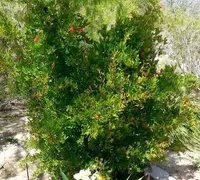
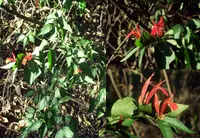
This species typically forms a compact to medium bush with green leaves and tubular, reddish to pink flowers that attract pollinators. In its native range, it occurs in tropical and subtropical habitats, where temperatures are mild and humidity is moderate to high.

It is considered moderately easy to grow when basic needs are met. It prefers bright, indirect light, consistently moist but not waterlogged soil, and a well-drained, fertile potting mix. Understanding how to care for Justicia brasiliana helps maintain dense growth and reliable flowering.

Main Plant Requirements

Care Difficulty

Moderate Care

Light Preference

Partial Sun

Water Requirements

Regular Water

Temperature Preference

Tropical / Frost Sensitive

Hardiness Zone

10–11

Soil Texture

Loamy, Sandy, Organic-rich

Soil pH

Acidic (5.5–6.5), Slightly acidic (6.5–7.0)

Soil Drainage

Moist but well-drained

Fertilization

Light (every 4–6 weeks)

Get Personalized Care Plan

Scan your plant to receive care tips personalized for your specific plant

Available on iOS and Android

How to Care for the Justicia brasiliana

This shrub prefers bright, gentle light similar to a warm forest edge.

  • Provide 4–6 hours of morning sun with light shade or filtered light in the afternoon to protect leaves from scorching.
  • Tolerates partial shade, but very dense shade reduces flowering and causes leggy, stretched stems in Justicia brasiliana.
  • In hot summers, shift exposure to more dappled shade; in cooler seasons, allow a bit more direct sun to maintain compact growth and abundant blooms.

This plant likes evenly moist but not saturated soil.

  • Water when the top 3–5 cm of soil feels dry, applying enough to moisten the root zone, then let excess drain away completely.
  • Reduce frequency in cooler months when growth slows; increase in hot, windy weather so the soil never stays bone-dry for long periods.
  • Watch for yellowing, soft leaves as a sign of overwatering and crisp, drooping foliage as an indicator the plant needs a thorough soak.

This subtropical shrub prefers warm, frost-free conditions for reliable growth and flowering.

  • Aim for 65–80°F (18–27°C) for active growth; plants slow noticeably below 60°F (16°C).
  • Protect from cold; growth is damaged near 40°F (4°C) and hard frost can kill stems or entire Justicia brasiliana plants.
  • In hot climates, plants tolerate brief spikes to 90–95°F (32–35°C) if soil moisture is stable and foliage is shielded from intense late-afternoon sun.

This species prefers moderately humid air but adapts to typical indoor conditions if not kept too dry.

  • Aim for 50–60% humidity; it tolerates brief dips to 35–40% but may grow more slowly.
  • Crisping leaf edges, curling, and stalled new growth signal humidity stress or overly dry air.
  • Increase humidity with a nearby humidifier, grouped plants, or a pebble tray, rather than misting leaves directly.

Justicia brasiliana grows best in a loose, airy, organic-rich substrate that drains quickly yet holds moderate moisture.

  • Use a mix of roughly 50% peat or coco coir, 30% compost, and 20% perlite to balance moisture retention and aeration.
  • Choose a soil texture that feels crumbly, not sticky or compacted, so roots receive steady oxygen supply.
  • Aim for slightly acidic to neutral pH around 6.0–7.0, avoiding strongly alkaline or saline conditions that limit nutrient uptake.
  • Improve drainage by adding perlite or fine bark and avoid heavy clay-based mixes that stay waterlogged after irrigation.

This species is well suited to container growing for patios, balconies, or movable garden displays.

  • Select a pot wide enough to accommodate its bushy spread so outer stems are not forced to hang over sharp rims and break.
  • Choose a stable, heavier container material if exposed to wind, since the leafy top growth can act like a sail.
  • Ensure the potting volume is deep enough for fibrous roots to form a broad network without circling tightly near the base.

This flowering shrub benefits from moderate feeding to support foliage and blooms.

  • Use a balanced liquid fertilizer (for example 10-10-10 or 20-20-20) diluted to 1/2 strength for caring for Justicia brasiliana in containers.
  • Feed every 4–6 weeks during the main growing season in spring and summer.
  • Optionally add a thin layer of compost over the root zone once in spring for in-ground plants.
  • Stop feeding in fall and winter, or reduce to very light applications if growth continues under warm indoor conditions.

Thoughtful pruning keeps Justicia brasiliana compact, leafy, and floriferous.

  • Time main pruning for late winter or early spring before strong new growth starts.
  • Remove dead, damaged, or crossing stems first, using clean, sharp hand pruners.
  • Shorten long, leggy shoots by 1/3 to 1/2 to promote bushier branching and more flowering tips.
  • Lightly tip back stems after a bloom flush to maintain shape without stripping buds.

Container-grown plants need periodic repotting to maintain healthy root growth and flowering.

  • Check for roots circling the pot, emerging from drainage holes, or slowed top growth as signs Justicia brasiliana needs a larger container.
  • Plan repotting for late winter or early spring, about every 2–3 years for actively growing plants.
  • Move up only 1 pot size, using a well-drained peat-free mix, and gently loosen circling roots without tearing heavily.
  • Water thoroughly after repotting, then keep in bright, indirect light for 7–10 days to limit transplant stress.

This species is commonly propagated from softwood or semi-ripe stem cuttings.

  • Take 8–12 cm non-flowering cuttings from healthy Justicia brasiliana shoots in late spring or summer.
  • Remove lower leaves, optionally dip the cut end in a general-purpose rooting hormone, and insert into a moist, free-draining mix.
  • Maintain high humidity (cover with a clear dome or bag) and provide bright, indirect light at 70–80°F.
  • Keep the medium just moist; once roots form and new growth appears, gradually ventilate and pot on individually.

This tropical shrub is frost-tender and needs protection in regions with cold winters.

  • Move container-grown Justicia brasiliana indoors before temperatures drop below 45°F.
  • Overwinter in bright light with cooler room temperatures around 55–65°F and slightly reduced watering.
  • In mild climates, apply a 5–8 cm mulch layer over the root zone to buffer soil temperature.
  • Avoid heavy pruning in late fall, as young regrowth is more vulnerable to cold damage.

Care Tips

Regular stem renewal

Cut back 1–3 of the oldest, woodiest stems close to the base every spring to stimulate fresh, floriferous shoots and keep the shrub dense rather than leggy.

Pinch for branching

Pinch out soft shoot tips after each main flush of flowers to encourage side shoots, which increases the number of flowering points and keeps the plant compact for container culture.

Timed flower deadheading

Remove spent flower clusters promptly by snipping just above a leaf node, which reduces seed set and channels energy into continuous blooming when growing Justicia brasiliana.

Wind and weight support

In windy sites or large containers, insert a discreet ring stake or two or three canes tied loosely with soft ties around the plant to prevent sprawling or stem breakage when the foliage is heavy after rain.

Pre-winter hardening

About 4–6 weeks before expected first frost, reduce fertilizer and allow slightly cooler, brighter conditions so the plant can slow growth and harden new wood before moving it indoors for overwintering or heavy pruning.

Common Pests and Diseases

Spider mites

This pest thrives on Justicia brasiliana foliage in hot, dry indoor or greenhouse conditions, causing fine stippling and a dull, dusty look to the leaves. Symptoms include fine webbing between leaves and stems, especially on tender new growth.

Solution

Rinse the plant thoroughly with a strong but gentle stream of lukewarm water, including the undersides of leaves, then increase humidity and reduce heat stress. For persistent infestations, apply insecticidal soap or neem oil every 5–7 days, isolating the plant from others until new growth appears clean.

Whiteflies

These insects are attracted to the soft, lush growth of this species, especially in sheltered patios and greenhouses. Symptoms include small white adults that fly up when the plant is disturbed, sticky honeydew on leaves, and sooty mold growth on the leaf surface.

Solution

Use yellow sticky traps to monitor and reduce adult numbers, then wash foliage with water and a mild insecticidal soap to remove nymphs and honeydew. Repeat treatments weekly until no new adults appear, and improve airflow and avoid excess nitrogen fertilization that encourages very soft, susceptible growth.

Aphids

These insects often cluster on tender shoot tips and flower spikes, feeding on sap and causing distorted, curled new growth. Symptoms include sticky honeydew, sooty mold on leaves, and reduced flowering quality.

Solution

Prune off heavily infested shoot tips, then wash remaining stems and leaves with a firm spray of water to dislodge insects. Follow with applications of insecticidal soap or neem oil, targeting undersides of leaves and developing flower buds, and check surrounding plants to prevent re‑infestation as part of broader Justicia brasiliana care instructions.

Leaf spot

This disease appears as small brown, tan, or purple-edged spots on older leaves, which may merge into larger blotches under warm, humid conditions. Symptoms include premature yellowing and dropping of affected foliage, especially on dense, poorly ventilated plants.

Solution

Remove and discard spotted leaves and any fallen debris around the base to reduce inoculum. Improve air circulation, avoid wetting the foliage, and if the problem persists, use a copper-based or other labeled ornamental fungicide following directions, treating both upper and lower leaf surfaces.

Powdery mildew

This disease can affect Justicia brasiliana in crowded, shaded positions, producing a white, powdery coating on leaves and young stems. Symptoms include dull, distorted growth and reduced flowering, even when the soil moisture is adequate.

Solution

Increase light and airflow around the plant, thin overcrowded stems, and avoid overhead watering that keeps foliage damp for long periods. Remove the most affected leaves and apply a labeled ornamental fungicide or a potassium bicarbonate product at the first signs of infection, repeating according to label directions until new growth is clean.

Interesting Facts

Evergreen Neotropical shrub

This species is a small evergreen shrub native to the Atlantic Forest and surrounding regions of Brazil, where it grows in warm, humid, partially shaded habitats along forest edges and disturbed sites.

Hummingbird-pollinated blooms

The tubular, bright red flowers are adapted to hummingbird pollination, with floral shape and color that match the visual preferences and feeding behavior of these birds in its native range.

Long flowering season

In frost-free climates, this plant can produce flushes of red flowers over many months of the year, especially when temperatures and moisture stay relatively stable.

FAQs about Justicia brasiliana

Lack of blooms usually results from insufficient light, low nutrients, or old, unpruned stems. Provide bright conditions, feed lightly during the growing season, and prune after flowering to stimulate fresh shoots that carry next season’s buds.

Grow Healthy Plants with Botan Care

Keep your plants happy and healthy with plant identification, disease detection, and easy care guidance.

Botan plant care app — identify plants on mobile

Explore More Plants