vegetable hummingbird Care (Sesbania grandiflora)

Also known as: Agati
vegetable hummingbird

About vegetable hummingbird

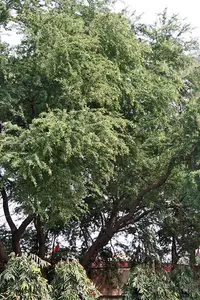
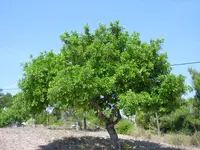
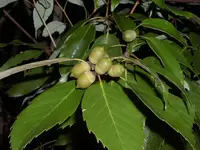
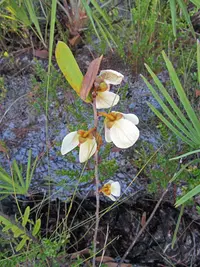
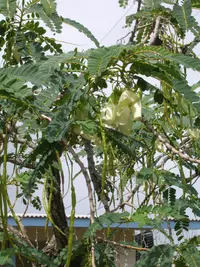
Vegetable hummingbird, Sesbania grandiflora, is a fast-growing tropical tree often used as a short-lived ornamental and food plant in warm climates. It typically has an open, airy crown with soft, feathery leaves and large, hanging white or red flowers.

This species is native to South and Southeast Asia and is now widely grown in other tropical regions. It responds well to warmth, full sun, and moist, well-drained soil.

The plant grows quickly but is relatively short-lived and prone to wind damage because of its brittle wood. Once established, it is generally easy to manage, so learning how to care for vegetable hummingbird is straightforward for most home gardeners.

Main Plant Requirements

Care Difficulty

Moderate Care

Light Preference

Full Sun

Water Requirements

Regular Water

Temperature Preference

Tropical / Frost Sensitive

Hardiness Zone

10–12

Soil Texture

Sandy, Loamy, Organic-rich

Soil pH

Slightly acidic (6.5–7.0), Neutral (7.0)

Soil Drainage

Moist but well-drained

Fertilization

Minimal (feed rarely)

Get Personalized Care Plan

Scan your plant to receive care tips personalized for your specific plant

Available on iOS and Android

How to Care for the vegetable hummingbird

Sesbania grandiflora is a fast-growing tropical tree that needs strong light to flower and fruit well.

  • Provide 6–8 hours of direct sun daily; full sun all day suits established trees in warm climates.
  • Young or newly planted vegetable hummingbird trees benefit from morning sun and light afternoon shade to reduce leaf scorch in very hot regions.
  • In cooler seasons, avoid heavy shade; less than 4–5 hours of direct light leads to weak growth, sparse blooms, and elongated, pale shoots.

This species prefers evenly moist, well-drained soil and reacts quickly to both drought and waterlogging.

  • Irrigate when the top 3–5 cm of soil feels dry; in warm weather this may mean deep watering every few days on sandy soils, less often on clay.
  • During the first growing season, maintain consistent moisture to support root establishment, then allow slightly drier intervals once the tree is mature.
  • Reduce watering in cool or rainy periods; yellowing, soft leaves suggest overwatering, while folding or crispy leaf tips indicate the plant is too dry.

This tree thrives in consistently warm, frost-free conditions typical of tropical and subtropical climates.

  • Optimal growth occurs around 75–90°F (24–32°C), with active flowering and leaf production in these temperatures.
  • Growth slows below 65°F (18°C) and damage often appears if exposed to below 40°F (4°C); light frost can kill young shoots or small trees.
  • Mature plants tolerate brief heat up to about 100°F (38°C) if soil moisture is adequate, but hot, dry winds can scorch foliage and reduce flowering.

Humidity is a minor factor for Sesbania grandiflora, which adapts well to a wide range of outdoor conditions in warm climates.

Sesbania grandiflora prefers light, well-drained soil that does not stay waterlogged after rain or irrigation.

  • Use a sandy or sandy-loam mix with moderate organic matter to balance drainage and nutrient holding.
  • Aim for slightly acidic to neutral pH, around 6.0–7.0, to support nutrient availability and root health.
  • Blend coarse sand with composted bark or fine gravel to increase aeration and prevent compaction in heavier soils.
  • Avoid dense clay, poorly drained low spots, or mixes dominated by fine peat that stay saturated for long periods.

This species can be grown in containers for short to medium term cultivation if the pot is managed carefully for stability and drainage.

  • Choose a deep, heavy container that resists tipping, as the fast upright growth quickly makes the plant top-heavy in wind.
  • Select a potting mix that drains faster than typical houseplant soil, then elevate the pot slightly so drainage holes never sit in standing water.
  • Use a light-colored or thicker-walled container in hot climates to reduce root-zone overheating and rapid moisture loss on exposed patios.

Sesbania grandiflora grows fast and benefits from moderate, balanced nutrition in suitable soils.

  • Use a balanced liquid fertilizer (for example 10-10-10) at 1/2 strength every 4–6 weeks during the warm growing season.
  • Apply a thin layer of well-rotted compost around the root zone in spring to improve soil structure and nutrient supply when caring for vegetable hummingbird.
  • In sandy or low-fertility soils, consider a slow-release balanced fertilizer at label rates once per growing season.
  • Reduce or stop feeding in late fall and winter when growth slows, to avoid weak, frost-sensitive shoots.

Pruning Sesbania grandiflora helps maintain structure, manage size, and support healthy flowering.

  • Carry out main pruning in late winter or early spring before strong new growth begins.
  • Remove dead, diseased, or storm-damaged branches first, cutting back to healthy wood with clean bypass pruners or a sharp saw.
  • Thin crowded or crossing branches to open the canopy, improve light penetration, and reduce risk of breakage.
  • Shorten overly long shoots to control height and encourage a more compact, branching form with more flowering tips.

This fast-growing tree is usually grown in the ground, so focus on careful transplanting rather than frequent repotting.

  • Transplant young plants at the start of the warm, rainy season, when soil is workable and frost risk has passed.
  • Look for roots circling the container, slow growth, or plants toppling easily as signs that a seedling has outgrown its pot.
  • Move up only 1 pot size, gently loosen circling roots, and keep the root ball as intact as possible to limit transplant shock.
  • Water thoroughly after transplanting, shade lightly for a few days, and maintain even moisture until strong new growth appears.

New Sesbania grandiflora plants are most often raised from seed under warm, bright conditions.

  • Sow fresh seeds in late spring or early summer once temperatures stay above about 70°F.
  • Scarify hard seed coats lightly with sandpaper and soak seeds in warm water for 12–24 hours to improve germination.
  • Use a well-drained mix, keep evenly moist but not waterlogged, and provide bright light for sturdy seedlings.
  • Semi-hardwood stem cuttings can root in warm, humid conditions if placed in a coarse, free-draining medium and kept out of harsh sun.

This tropical tree is frost-sensitive and needs protection in regions with cool or freezing winters.

  • In ground, add a 5–8 cm mulch layer around the root zone in late fall, keeping it slightly away from the trunk.
  • Wrap young trunks with breathable frost cloth in areas that experience light freezes.
  • Grow container plants in large pots and move them indoors or into a heated greenhouse before temperatures drop below 50°F.

Care Tips

Windfirm training

In the first 1–2 years, lightly stake young trees and gradually loosen ties every few months so the trunk flexes in the wind and develops stronger wood, which reduces storm breakage later.

Root-zone mulching

Apply a 5–8 cm ring of coarse organic mulch around but not touching the trunk to keep roots cooler, reduce soil moisture swings, and limit weed competition that can stunt growth.

Flowering flush management

After a heavy flowering and harvest period, give the tree a light structural trim and remove any dead or crossing twigs to encourage a clean new flush of shoots and flowers.

Nutrient capture with companions

Plant shallow-rooted herbs or low-growing legumes outside the main root flare to take advantage of nitrogen released from this nitrogen-fixing tree and to help stabilize soil on light, sandy sites.

Cold-season protection

In marginal climates, wrap the lower trunk with breathable frost cloth and add extra mulch over the root zone before cold snaps to reduce bark damage and dieback when growing vegetable hummingbird.

Common Pests and Diseases

Leaf webworm

This pest is a caterpillar that ties young leaves together with silk, feeds inside the web, and can rapidly defoliate tender shoots.

Solution

Prune and destroy webbed shoot tips as soon as they appear, then monitor new growth closely; light infestations are often managed by handpicking caterpillars. For heavier outbreaks, use a targeted biological product containing Bacillus thuringiensis (Bt) on young larvae and encourage birds and other natural predators by avoiding broad-spectrum insecticides.

Stem borer

This pest is a beetle larva that tunnels inside young stems and branches, causing wilting, dieback, and hollow stems filled with frass (insect droppings).

Solution

Cut out and destroy infested shoots as soon as wilting or holes with frass are noticed, cutting back into healthy green tissue. Reduce stress by maintaining good watering and nutrition, keep the base of the plant clear of weeds, and use pheromone or light traps in larger plantings to help lower adult beetle populations.

Pod borer

These insects are caterpillars that bore into flower buds and pods, feeding on developing seeds and reducing both ornamental flowering and edible pod yield.

Solution

Collect and destroy damaged pods and infested flowers to break the life cycle, and remove volunteer seedlings that may harbor larvae. In larger or repeatedly affected plantings, apply Bt to flowers and young pods just after flowering begins and retain flowering herbs or native plants nearby to support parasitoid wasps that attack the larvae.

Cercospora leaf spot

This disease causes small brown to purplish circular spots on leaflets, which can merge into larger blotches and lead to premature leaf drop, especially in warm, humid weather.

Solution

Remove and dispose of heavily spotted fallen leaves, avoid overhead irrigation where possible, and space plants to improve air movement through the canopy. In areas with a history of severe outbreaks, use clean seed or seedlings, rotate planting spots when possible, and consider a registered copper-based fungicide as a preventive spray at the start of humid periods, following local label directions.

Powdery mildew

This disease produces white, powdery fungal growth on leaves and young shoots, which may yellow, curl, and drop if the infection is heavy.

Solution

Improve light and airflow by selective pruning of crowded branches and avoid excessive nitrogen fertilization that promotes very soft, dense foliage. Remove and discard badly affected leaves, then apply a sulfur-based or potassium bicarbonate fungicide labeled for ornamental trees at the first sign of infection, repeating as needed according to the product instructions; consistent monitoring is a key part of Sesbania grandiflora care instructions.

Interesting Facts

Extreme fast growth

This tree can reach several meters in height within its first year under warm, moist conditions, making it one of the fastest-growing leguminous trees used in tropical agroforestry.

Night-blooming flowers

Its large white or red, hummingbird-shaped flowers typically open in the evening and are often pollinated by bats and nocturnal insects in its native range.

Soil nitrogen builder

As a legume that forms symbiosis with nitrogen-fixing bacteria in its root nodules, it enriches poor soils and is widely planted as a living support and green manure in tropical farming systems.

Botan icon

Did you know?

In parts of South and Southeast Asia, the tender leaves, flowers, and young pods of this tree are commonly eaten as vegetables, and it has been introduced into home gardens and small farms specifically for growing vegetable hummingbird as a multipurpose food and fodder tree.

FAQs about vegetable hummingbird

Flowers, young leaves, and tender pods are edible and commonly used in Southeast Asian cuisine, usually cooked lightly to reduce bitterness. Only use parts from plants not exposed to pesticides, roadside pollution, or contaminated irrigation water.

Grow Healthy Plants with Botan Care

Keep your plants happy and healthy with plant identification, disease detection, and easy care guidance.


Botan plant care app — identify plants on mobile

Explore More Plants