Common Lime Care (Tilia × europaea)

Also known as: European Lime Tree, Common Linden
Common Lime

About Common Lime

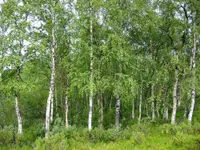
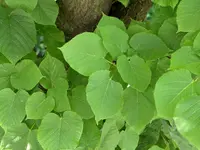
Common lime (Tilia × europaea) is a large, long-lived deciduous tree often used in streets, parks, and large gardens. It forms a tall, straight trunk with a broad, dense crown and heart-shaped leaves that turn yellow in autumn.

This hybrid species likely arose from natural crosses between Tilia cordata and Tilia platyphyllos in Europe, where it is widely planted rather than truly wild. It is generally robust and tolerant of urban conditions, although young trees may attract aphids and produce sticky honeydew.

For those learning how to care for Common Lime, it usually prefers full sun, moderately moist, well-drained soil, and space to develop its mature size and root system.

Main Plant Requirements

Care Difficulty

Moderate Care

Light Preference

Full Sun

Water Requirements

Regular Water

Temperature Preference

Cold Hardy

Hardiness Zone

3–7

Soil Texture

Loamy, Clay, Organic-rich

Soil pH

Acidic (5.5–6.5), Slightly acidic (6.5–7.0)

Soil Drainage

Moist but well-drained

Fertilization

Minimal (feed rarely)

Get Personalized Care Plan

Scan your plant to receive care tips personalized for your specific plant

Available on iOS and Android

How to Care for the Common Lime

This large deciduous tree prefers full sun but tolerates light shade, especially in urban plantings.

  • Provide 6–8 hours of direct sun daily; 4–6 hours plus bright open sky is usually sufficient for Common Lime in warmer regions.
  • Allow partial shade during hot afternoons, especially on dry sites, to reduce leaf scorch and moisture stress.
  • Avoid deep shade, which leads to sparse growth and weak branching; ensure south or west exposure has at least dappled light, especially in spring and early summer.

This species prefers evenly moist, deep soils but dislikes prolonged saturation around the root zone.

  • Check soil with a trowel; in the top 5–10 cm it may dry slightly, but deeper layers should stay lightly moist during the first 2–3 establishment years.
  • In summer dry spells, increase watering when leaves start to dull, curl slightly, or new shoots stall, focusing on slow, deep soaking rather than frequent surface splashes.
  • Avoid overwatering; persistent puddles, foul odor, or yellowing leaves indicate poor drainage, so improve soil structure or direct excess runoff away from Tilia × europaea.

This hardy temperate-climate tree tolerates a wide temperature range once established.

  • Optimal growth occurs around 60–77°F (16–25°C) during the active season, with strong bud and leaf development in mild springs.
  • Mature trees tolerate winter lows near -4°F (-20°C) to -13°F (-25°C), though young specimens benefit from shelter from harsh, drying winds.
  • During heat above 86°F (30°C), combined with drought, expect increased leaf drop and edge scorch, so support with mulch and adequate soil moisture in midsummer.

This large deciduous tree tolerates a wide humidity range and usually needs no special humidity control outdoors.

  • Performs well in ambient outdoor humidity from about 30–80% without intervention.
  • Tolerates brief dry air periods, but prolonged hot, dry winds can cause marginal leaf browning on Common Lime.
  • Humidity stress shows as crisp leaf edges and premature leaf drop rather than wilting on otherwise moist soil.
  • In exposed, dry sites, shelter belts or understory planting help reduce desiccating wind and protect foliage.

This species prefers deep, moist, well-structured mineral soils that retain water yet drain freely.

  • Use a loamy soil with a mix of clay, silt, and sand plus organic matter such as composted bark or leaf mold for structure and moisture retention.
  • Aim for slightly acidic to neutral pH, roughly 6.0–7.5, as strongly acidic or alkaline soils can limit nutrient availability.
  • Ensure drainage is free by avoiding compacted subsoil; break up hard layers and incorporate coarse sand or grit in heavier sites to improve aeration.
  • Avoid waterlogged, very shallow, or extremely sandy soils that dry out quickly, since Tilia × europaea has a relatively high water demand in active growth.

This vigorous tree is generally unsuitable for long-term container growing and is best planted in open ground.

Common Lime (Tilia × europaea) usually grows well in average garden soil and needs only modest fertilization.

  • Apply a light layer of compost or well-rotted manure around the root zone in early spring to support steady growth.
  • Use a balanced slow-release fertilizer (around 10-10-10) once in spring for young or nutrient-poor-site trees.
  • Avoid high-strength feeds; apply at half the label rate to reduce salt stress and root burn risk.
  • Do not fertilize in late summer or winter, as this can stimulate soft growth that is more vulnerable to cold.

Tilia × europaea benefits from structured pruning to maintain a stable crown and street-safe form.

  • Carry out main pruning during late winter to early spring, before bud break, when the tree is still dormant.
  • Remove dead, damaged, crossing, or rubbing branches first to improve airflow and reduce disease risk.
  • Thin congested inner branches to let in more light and maintain a balanced, open canopy shape.
  • Use sharp, clean loppers or a pruning saw and make cuts just outside the branch collar to support proper healing.

This species is rarely kept long term in containers, so management focuses on transplanting young Tilia × europaea into permanent ground positions.

  • Transplant in late fall or early spring when the tree is dormant to reduce water stress and transplant shock.
  • Look for roots circling the pot, poor vigor, or frequent wilting as signs a container-grown tree needs a larger space.
  • Move up only 1–2 pot sizes or plant directly into a prepared ground hole with wide, loosened soil.
  • Water thoroughly after planting, mulch 5–8 cm deep, and keep soil evenly moist for the first 1–2 growing seasons.

Propagation of Tilia × europaea is usually done professionally and is moderately difficult for home gardeners.

  • Use softwood or semi-ripe cuttings in early summer, taken from healthy, current-season shoots.
  • Place cuttings in a free-draining medium, maintain high humidity, and keep temperatures around 68–75°F to support rooting.
  • Layering low branches in spring can work; bend to soil level, wound lightly, pin down, and cover with moist substrate.
  • Seed propagation is uncommon because hybrid seeds may be variable and often show slow, irregular germination.

Mature Tilia × europaea trees are generally cold hardy and need little special winter care in most temperate climates.

  • Young or newly transplanted trees benefit from 5–8 cm of mulch over the root zone, kept away from the trunk.
  • Container-grown specimens should be moved to a sheltered, unheated but frost-free spot in very cold regions.
  • Inspect for winter damage in late winter and remove broken or split branches once the worst frosts have passed.

Care Tips

Central leader training

In the first 5–8 years, select one strong, upright stem as the central leader and remove competing codominant stems to build a stable framework and reduce future storm damage.

Elevating the canopy

Gradually raise the crown by removing or shortening only a few of the lowest branches every 2–3 years, which improves clearance for people and vehicles while minimizing large pruning wounds.

Managing surface roots

If roots begin to heave paving or lawn, create a wide, mulched root zone and avoid frequent shallow irrigation so the tree is encouraged to send new feeder roots deeper rather than across the surface.

Aphid and honeydew control

Monitor young shoots in late spring for aphids, and if populations are high, use a strong water spray or a targeted horticultural soap treatment to reduce honeydew drip and the sooty mold that grows on it.

Heat and drought adaptation

In hotter or drier regions, install a wide organic mulch ring and use deep, infrequent irrigation during prolonged dry spells, which supports long-term root health and makes caring for Common Lime more predictable in summer.

Common Pests and Diseases

Lime aphid

This pest feeds on young leaves and shoots, causing leaf curling, distortion, and sticky honeydew that can lead to sooty mold on common lime trees.

Solution

Prune and dispose of heavily infested shoots, then wash reachable foliage with a strong but controlled stream of water to remove colonies; for ongoing problems, use a horticultural soap or oil spray directed to the undersides of leaves, and encourage natural predators such as ladybird beetles by avoiding broad-spectrum insecticides nearby.

Lime leaf miner

This pest creates pale, winding tunnels inside leaves, leading to blotchy, disfigured foliage and reduced vigor in young trees.

Solution

Collect and destroy affected leaves that show fresh mines to reduce the developing larvae, avoid high-nitrogen fertilization that encourages soft new growth, and, for significant infestations on small trees, apply a systemic insecticide labeled for leaf miners at budbreak according to local regulations.

Lime nail gall mite

This pest causes small, nail-like galls on the upper surface of leaves, which can look alarming but rarely cause serious damage to established trees.

Solution

Rake and dispose of fallen leaves in autumn to reduce overwintering mites, avoid unnecessary chemical treatments since damage is mostly cosmetic, and focus on general tree health through proper watering, mulching, and avoiding trunk or root damage.

Verticillium wilt

This disease is caused by a soil-borne fungus that blocks the water-conducting tissues, leading to sudden wilting, yellowing, and dieback of branches, often on one side of the tree first.

Solution

Prune out affected branches well below discolored wood, disinfect pruning tools between cuts, avoid wounding roots, and do not plant new limes or other susceptible species in the same soil if a tree has died from verticillium wilt; maintain even soil moisture and mulch to support overall Tilia × europaea care instructions.

Powdery mildew

This disease appears as a white, powdery coating on leaves, often in late summer, which can cause premature leaf drop on young or stressed trees.

Solution

Improve air circulation around the canopy by careful thinning cuts, avoid overhead watering of foliage, promptly remove and dispose of heavily infected leaves, and, if necessary on young or high-value trees, use a labeled fungicide early in the season when the first symptoms appear.

Interesting Facts

Hybrid of two lindens

This tree is a natural hybrid between Tilia cordata (small-leaved lime) and Tilia platyphyllos (large-leaved lime), combining traits from both parents such as intermediate leaf size and high shade tolerance.

Highly valued avenue tree

European cities have planted this hybrid extensively along streets and boulevards for centuries because of its uniform crown shape, dense summer shade, and strong response to pollarding, a pruning method that controls size.

Nectar source for insects

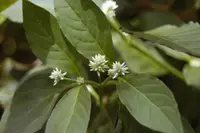
The fragrant summer flowers produce abundant nectar that supports bees, hoverflies, and other pollinators, making mature trees important food sources in urban and rural landscapes.

Botan icon

Did you know?

Historical records show that this hybrid linden has been cultivated in Europe since at least the 17th century, and some individual trees in old parks and town squares are documented to be over 200 years old, serving as long-term landscape landmarks and reference specimens for hybrid lime identification.

FAQs about Common Lime

This species is generally fast-growing, often adding 30–60 cm of height per year in good conditions. Young trees grow quickest, then slow slightly with age as energy shifts to crown development and structural wood.

Grow Healthy Plants with Botan Care

Keep your plants happy and healthy with plant identification, disease detection, and easy care guidance.

Botan plant care app — identify plants on mobile

Explore More Plants