Primrose Care (Primula vulgaris)

Also known as: Common Primrose, English primrose, Çuha Çiçeği
Primrose

About Primrose

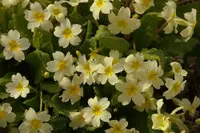
Primrose (Primula vulgaris) is a compact, low-growing perennial often used for early spring color in gardens and containers. It forms neat rosettes of soft green leaves topped with cheerful, flat-faced flowers.

In the wild it is native to woodlands, hedgerows, and grasslands across Europe and parts of western Asia, where it enjoys cool, moist conditions. Flowers come in shades of pale yellow, white, pink, or stronger colors in modern cultivars.

This species prefers partial shade, consistently moist but well-drained soil, and protection from strong heat, which makes it easier to grow in cooler climates. With these basics in mind, it is straightforward to care for Primrose in many home gardens.

Main Plant Requirements

Care Difficulty

Moderate Care

Light Preference

Partial Shade

Water Requirements

Keep Soil Moist

Temperature Preference

Cool Climate

Hardiness Zone

4–8

Soil Texture

Loamy, Peaty, Organic-rich

Soil pH

Acidic (5.5–6.5), Slightly acidic (6.5–7.0)

Soil Drainage

Moist but well-drained

Fertilization

Light (every 4–6 weeks)

Get Personalized Care Plan

Scan your plant to receive care tips personalized for your specific plant

Available on iOS and Android

How to Care for the Primrose

This species prefers cool, bright conditions with protection from intense midday sun.

  • Provide 3–4 hours of soft morning sun with light or dappled shade the rest of the day, especially in spring and early summer.
  • Site Primrose in partial shade under deciduous shrubs or trees where foliage filters strong sun, particularly in warmer regions.
  • Watch leaves for pale, scorched, or crispy patches as a sign of excess sun, and for stretched, floppy growth as a sign of insufficient light.

Watering should keep the root zone consistently moist but never waterlogged.

  • Rewater when the top 2–3 cm of soil feels slightly dry, using enough to moisten the entire root area, then let excess drain away.
  • Ensure humus-rich, well-drained soil; standing water or heavy clay greatly increases the risk of root rot in Primula vulgaris.
  • In cool spring weather soil may stay moist for days, but in warmer, windy periods watch for drooping leaves and dry soil as cues to water sooner.

This plant grows best in cool, mild temperatures and struggles in strong heat.

  • Aim for active growth in 50–65°F (10–18°C), where flowering and foliage development are most stable.
  • The plant tolerates short dips to about 25°F (-4°C) once established, but prolonged hard freezes can damage crowns and buds.
  • Above 75°F (24°C) flowering declines; provide shade and mulch in hot spells, and avoid sites that trap heat or reflected sun in summer.

This species benefits from moderate, steady humidity to avoid leaf stress and flower drop.

  • Aim for 40–60% humidity, as very dry heated rooms cause leaf edges to brown and buds to shrivel.
  • Tolerates brief dry air, but prolonged low humidity leads to limp foliage and fewer or distorted blooms.
  • Group pots on a pebble tray with water or place near a humidifier rather than misting, which can encourage leaf disease in Primrose.

Primula vulgaris prefers moist, airy soil that drains freely but does not dry out quickly.

  • Use a loose, loamy mix with 40–50% compost, 30–40% fine bark or coco coir, and 10–20% perlite for structure and moisture balance.
  • Aim for slightly acidic to neutral pH, around 6.0–7.0, which supports nutrient uptake and reduces chlorosis risk.
  • Improve aeration and drainage by mixing in perlite or horticultural grit, especially if using heavier bagged garden soil.
  • Avoid dense clay, unamended garden soil in pots, and mixes that stay waterlogged, as these promote root rot and crown rot.

This species is well suited to container growing for seasonal color on patios, balconies, and shaded entries.

  • Choose a pot only 3–5 cm wider than the root ball so the mix stays evenly moist instead of remaining cold and wet around the edges.
  • Use a heavier ceramic or terracotta container outdoors to reduce tipping and moderate moisture swings in windy or sunny spots.
  • Raise containers on pot feet or bricks so drainage holes stay clear and runoff moves away from the crown zone.

Light, balanced feeding supports steady flowering and foliage in Primrose without causing soft, weak growth.

  • Use a balanced liquid fertilizer (e.g., 10-10-10 or 20-20-20) at 1⁄2 strength every 2–4 weeks during active growth and flowering.
  • In garden beds, mix in well-rotted compost or a slow-release balanced fertilizer in early spring to support blooms.
  • Pause feeding in summer dormancy and reduce to monthly or stop entirely in winter, especially for outdoor plants.
  • Always water before applying fertilizer to avoid root burn and monitor foliage for signs of excess salts, such as leaf tip browning.

Thoughtful pruning of Primula vulgaris maintains tidy rosettes and supports repeat blooming.

  • Best timing is after main flowering in late spring, with light cleanup through the season as needed.
  • Use small, sharp scissors or pruners to remove spent flower stalks at the base to encourage further buds.
  • Trim yellowing, dead, or damaged leaves at the base to improve air flow and reduce fungal problems.
  • Thin crowded rosettes slightly to maintain shape and reduce stress, avoiding removal of healthy central leaves.

Moving Primula vulgaris at the right time reduces stress and maintains strong flowering performance.

  • Look for roots circling the drainage holes, compacted soil, or slowed growth as signs it needs a larger pot or division.
  • Aim to repot or transplant in early spring or early fall, avoiding hot, dry weather that increases transplant shock.
  • Typically move to a slightly larger container or a fresh garden position every 1–2 years, refreshing organic-rich soil.
  • Water well before and after moving, handle the root ball gently, and keep the plant shaded and evenly moist for 3–7 days.

New Primula vulgaris plants are most often produced by division, with seed used for larger batches or breeding lines.

  • Divide mature clumps in early spring or early fall, lifting the plant and gently teasing apart rosettes with roots attached.
  • Replant divisions into moist, humus-rich soil, spacing rosettes so leaves do not overlap, then water thoroughly.
  • For seed, sow fresh seed on the surface of moist, fine mix, barely covering, and keep at 50–60°F with bright, indirect light.
  • Maintain consistent moisture and good air circulation to prevent damping-off, a fungal disease that kills young seedlings.

Primula vulgaris is fairly cold hardy in many temperate climates but benefits from light winter protection, especially in containers.

  • In the ground, apply a 3–5 cm layer of leaf mold or compost mulch around crowns after the first hard frost, avoiding direct crown cover.
  • Container plants are more exposed; move pots to a sheltered porch, cold frame, or unheated garage where temperatures stay above about 25°F.
  • Avoid waterlogged soil in winter by ensuring free drainage, since cold, saturated roots are more vulnerable to rot and freeze damage.
  • In very cold regions, add extra insulation by grouping pots together and wrapping containers with burlap or horticultural fleece.

Care Tips

Cool-season positioning

Shift plants to the coolest bright spot available in late winter and early spring, as sustained temperatures above 70°F quickly shorten the flowering period and stress the foliage.

Deadhead with care

Remove spent flower stems cleanly at the base with small scissors instead of pulling, which reduces the risk of crown damage and encourages new buds.

Mulch the crown lightly

Apply a very thin layer (0.5–1 cm) of fine compost or leaf mold around but not over the central crown in spring to keep roots cool and evenly moist while preventing rot at the growing point.

Divide to maintain vigor

Lift and divide crowded clumps immediately after flowering every 2–3 years, replanting only firm, healthy crowns at the original soil depth to maintain strong blooming and reduce disease pressure.

Shade roots in containers

In pots, group primroses close together or place shorter plants around them so the containers and root zone stay shaded and cool, which is especially helpful when caring for Primrose in warmer rooms or patios.

Common Pests and Diseases

Primula leaf spot

This disease causes small brown, purple, or tan spots on leaves that can merge into larger dead patches, especially in cool, damp weather.

Solution

Remove and discard heavily spotted leaves to reduce spore spread, avoid overhead watering, and space plants for good airflow; in persistent cases on valuable plants, use a fungicide labeled for leaf spot on ornamentals and apply during periods of prolonged wet weather as part of broader Primula vulgaris plant care.

Botrytis blight

This disease produces soft, water-soaked areas on leaves, flowers, and buds that quickly develop gray, fuzzy mold in cool, humid conditions.

Solution

Promptly remove and discard all affected flowers and foliage, keep spent blooms deadheaded, and improve ventilation by thinning nearby plants; avoid wetting leaves late in the day, and in serious outbreaks use a greenhouse-safe fungicide labeled for Botrytis, following all directions carefully.

Vine weevil

This pest damages primrose roots as white, legless grubs in the soil, while adult black beetles notch leaf edges, often on container or shaded plants.

Solution

Inspect pots for C-shaped white grubs and destroy them, repot badly affected plants into fresh mix, and place barrier tapes or traps to catch adult beetles; in containers, apply a biological control with nematodes specifically sold for vine weevil control during the warm part of the growing season.

Aphids

These insects cluster on young shoots and flower stems, sucking sap and causing distortion, sticky honeydew, and sometimes virus transmission in primroses.

Solution

Wash colonies off with a firm stream of water, pinch off heavily infested soft tips, and encourage or introduce natural predators such as lady beetles; if needed, use an insecticidal soap or horticultural oil, making sure to cover leaf undersides and repeating as labels recommend.

Primula powdery mildew

This disease produces white, powdery patches on upper leaf surfaces that can lead to yellowing, distortion, and premature leaf drop, especially in crowded, dry-but-humid conditions.

Solution

Remove the worst-affected leaves, increase spacing and air movement around plants, and avoid overhead watering at night; if the problem persists, apply a sulfur-based or other labeled powdery mildew fungicide early in the infection period, rotating products if used more than once per season.

Interesting Facts

Native to European woodlands

This species is naturally distributed across much of western and southern Europe, where it grows in moist, light-dappled woodlands, hedgerows, and grassy banks, often marking the early spring season in these habitats.

Heterostylous flowers

The flowers show heterostyly, meaning populations contain distinct pin and thrum flower forms with different style and anther positions, a genetic system that promotes cross-pollination by insects and reduces self-fertilization.

Early-season nectar source

As one of the earliest blooming wildflowers, it offers nectar and pollen to emerging pollinators such as early bumblebees and solitary bees at a time when few other flowering plants are available.

Botan icon

Did you know?

In parts of its native range, wild Primula vulgaris populations are legally protected because long-term collecting of flowers and plants for ornamental use, along with habitat loss, has significantly reduced some local natural stands.

FAQs about Primrose

Lack of flowers usually comes from warm temperatures, low light, dry soil, or using high‑nitrogen fertilizer. Keep it cool, evenly moist, and use a balanced or bloom‑boosting fertilizer to support bud formation and longer flowering.

Grow Healthy Plants with Botan Care

Keep your plants happy and healthy with plant identification, disease detection, and easy care guidance.

Botan plant care app — identify plants on mobile

Explore More Plants