Encourage Compact Growth
Pinch back young flowering stems by 1–2 in early in the season to keep the mound dense and increase the number of flower-bearing shoots when caring for Anacyclus × valentinus.

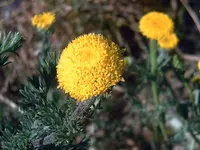
Anacyclus × valentinus is a small, mat-forming perennial often grown in rock gardens and sunny borders. It forms low cushions of finely divided, fern-like foliage. In season, it produces daisy-like flowers on short stems, creating a dense, colorful carpet effect. Its compact size and neat growth habit make it suitable for the front of beds or for edging. This hybrid originates from Mediterranean Anacyclus species and is adapted to dry, open habitats with good drainage. It is generally easy to grow if given full sun, gritty or sandy soil, and protection from winter wet. Once the basic conditions are met, it is straightforward to care for Anacyclus × valentinus.

Care Difficulty
Moderate Care

Light Preference
Full Sun

Water Requirements
Moderate Water

Temperature Preference
Cool Climate

Hardiness Zone
6–9

Soil Texture
Sandy, Loamy, Rocky

Soil pH
Slightly acidic (6.5–7.0), Neutral (7.0)

Soil Drainage
Well-drained

Fertilization
Minimal (feed rarely)
Scan your plant to receive care tips personalized for your specific plant
Available on iOS and Android
This sun-loving alpine perennial needs strong light to flower well and stay compact.
This drought-tolerant plant prefers infrequent, thorough watering rather than constant moisture.
This hardy perennial handles cool conditions well but still benefits from mild, stable temperatures in the growing season.
This Mediterranean species tolerates low humidity and usually does not need special moisture control in typical homes or gardens.
Anacyclus × valentinus prefers lean, fast-draining soil that mimics its native, rocky habitats.
This species is well suited to container growing on sunny patios or gravel-style plantings.
This compact Mediterranean perennial benefits from light feeding but grows acceptably in lean soils.
Light, well-timed pruning keeps this mat-forming plant compact and flowering well.
This perennial is usually grown in open ground or rock gardens and dislikes frequent disturbance.
This species hybrid is most reliably renewed by seed or careful division rather than cuttings.
This hardy Mediterranean-type perennial tolerates moderate frost but benefits from some winter protection in colder regions.

Plant Health Check
Not sure what's wrong with your plant? Check your plant's health inside the app.
This plant is a naturally occurring or horticulturally maintained hybrid associated with Mediterranean Anacyclus species, adapted to dry, open habitats with high light and well-drained, often sandy or gravelly soils.
It typically forms low, mounded or mat-like clumps, which helps it tolerate wind and surface heat by keeping most of its foliage close to the ground.
Its flower heads are composite structures made of many tiny disc and ray florets, giving a classic daisy appearance while functioning as a highly efficient pollinator-attraction system.
This is a short-lived perennial, often behaving like an alpine rock-garden plant. In colder or wetter climates it may be grown and replaced as if it were an annual due to reduced winter survival.
Keep your plants happy and healthy with plant identification, disease detection, and easy care guidance.