Curry plant Care (Helichrysum italicum)

Also known as: Italian Strawflower
Curry plant

About Curry plant

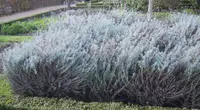
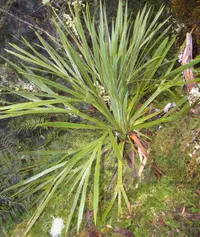
The curry plant, Helichrysum italicum, is a small evergreen shrub grown mainly for its aromatic silver-gray foliage. It is not the source of curry powder but has a curry-like scent when the leaves are rubbed.

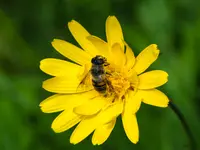
This plant forms compact, bushy clumps with narrow leaves and small yellow flowers that appear in clusters. It naturally occurs in dry, rocky areas around the Mediterranean.

Helichrysum italicum is generally considered easy to grow as long as it has good light, very well-drained soil, and protection from excessive moisture. These traits make it a suitable choice for gardeners learning how to care for Curry plant.

Main Plant Requirements

Care Difficulty

Easy Care

Light Preference

Full Sun

Water Requirements

Low Water

Temperature Preference

Warm Climate

Hardiness Zone

8–11

Soil Texture

Sandy, Loamy, Rocky

Soil pH

Slightly acidic (6.5–7.0), Slightly alkaline (7.0–7.5)

Soil Drainage

Well-drained

Fertilization

Minimal (feed rarely)

Get Personalized Care Plan

Scan your plant to receive care tips personalized for your specific plant

Available on iOS and Android

How to Care for the Curry plant

Helichrysum italicum needs strong light to stay compact, aromatic, and healthy.

  • Provide 6–8 hours of direct sun daily; full sun is best, especially in cooler climates and coastal areas.
  • It tolerates light afternoon shade in hot zones; morning sun with dappled shade after 2–3 p.m. helps prevent leaf scorch on exposed Curry plant plantings.
  • In winter or cloudy regions, prioritize the brightest, most open spot; leggy, pale growth signals insufficient light and the need for more sun exposure.

This Mediterranean shrub prefers slightly dry conditions and dislikes prolonged wet soil.

  • Allow the top 3–5 cm of soil to dry before watering; soil should feel dry to the touch down to the first knuckle.
  • Water deeply but infrequently, then let excess drain away; reduce watering sharply in cool, rainy seasons to prevent root rot.
  • Wilting with dry, light soil suggests underwatering, while yellowing, soft stems and a sour smell in heavy soil point to overwatering and poor drainage around Helichrysum italicum roots.

This drought-tolerant subshrub thrives in warm, dry climates with mild winters.

  • Ideal growth occurs around 65–80°F (18–27°C), with warm days and cooler, but not cold, nights.
  • Mature plants tolerate brief drops to about 20–25°F (-6 to -4°C) if soil drains very well, but repeated hard frosts can kill top growth.
  • Handles summer heat up to 90–95°F (32–35°C) if soil is not waterlogged; in colder regions, protect from freezing winds and avoid low-lying frost pockets.

This Mediterranean subshrub prefers relatively dry air and rarely needs special humidity management.

  • Aim for 30–50% humidity, which matches typical indoor air in many homes.
  • The plant tolerates drier air well; leaf yellowing with browned tips usually indicates overwatering or root issues rather than low humidity.
  • If air is extremely dry and hot, protect the Curry plant from hot drafts and reduce heat stress rather than adding extra humidity.

This species prefers mineral, sharply drained soil that mimics a dry, rocky habitat.

  • Use a sandy or gritty mix, such as 50–60% cactus mix combined with coarse sand or small grit to prevent water retention around the roots.
  • Ensure very fast drainage; water should flush through the pot within seconds, leaving the soil barely moist, not wet.
  • Keep pH slightly alkaline to neutral (about 7.0–8.0) by avoiding peat-heavy mixes and using lime-amended or naturally calcareous components when possible.
  • Avoid clay-heavy, compacted, or high‑peat substrates, which reduce aeration and promote root rot in Helichrysum italicum.

This drought-tolerant shrub is well suited to container growing on sunny patios or balconies.

  • Choose a heavy, stable pot to prevent tipping, since the woody top growth becomes dense and can catch wind.
  • Select a wide, shallow container to match its spreading, fibrous root system and reduce waterlogging risk at depth.
  • Use unglazed terracotta to allow moisture to evaporate through the pot walls, keeping the root zone drier between irrigations.

Helichrysum italicum prefers lean, well-drained soil and only modest feeding to stay compact and aromatic.

  • Apply a light dressing of compost or a low-dose balanced NPK fertilizer once a month during spring–summer growth.
  • Use a diluted liquid feed at 1/4–1/2 strength if foliage looks pale or growth weak, avoiding rich, high-nitrogen products.
  • Skip fertilizer in fall–winter, especially for indoor pots, to prevent soft, leggy growth and root problems.
  • For Curry plant in containers, choose a slow-release granular fertilizer mixed sparingly into the topsoil at the start of the season.

Pruning helps Helichrysum italicum keep a dense, bushy form and sustain flowering.

  • Carry out main pruning in late winter or early spring before vigorous new growth begins.
  • Remove dead, damaged, or woody stems first, then thin crowded interior shoots to improve air flow and light penetration.
  • Lightly trim back soft tips after flowering to encourage branching and more compact growth.
  • Use clean, sharp hand pruners and avoid cutting into very old, hard wood that shows no green tissue.

This shrub adapts well to containers or dry garden beds but dislikes frequent root disturbance.

  • Repot or transplant every 2–3 years, or when roots circle the pot base, drainage slows, or growth becomes stunted.
  • Time moves for Helichrysum italicum in early spring, once frost risk passes and before strong summer heat.
  • Shift into a container only 1 size larger, using a gritty, fast-draining mix to prevent waterlogging and root rot.
  • Water the plant thoroughly after moving, keep it shaded for a few days, and avoid heavy feeding until new growth resumes.

New Helichrysum italicum plants are most reliable from semi-ripe stem cuttings or fresh seed.

  • Take 7–10 cm semi-ripe cuttings in late spring–summer, removing lower leaves and any flower buds.
  • Insert cuttings into a free-draining mix of sand and peat-free compost, keeping it slightly moist and warm at 68–75°F.
  • Use a rooting hormone powder if available and maintain bright, indirect light with good airflow.
  • Sow seeds on the surface of light, sandy compost in spring, barely covering and keeping temperatures around 65–70°F.

This species is moderately cold tolerant but benefits from simple winter precautions in cooler climates.

  • Helichrysum italicum tolerates light frosts but may suffer below about 15–20°F, especially in wet soil.
  • In-ground plants in cold regions benefit from a 5–8 cm layer of dry mulch around, but not touching, the stems.
  • Move containers under cover or indoors to a bright, cool, frost-free spot, reducing watering significantly.
  • Avoid heavy pruning or high-nitrogen feeding in late fall, which can stimulate tender, frost-sensitive growth.

Care Tips

Encourage Bushy Shape

Pinch back soft new tips every 3–4 weeks during active growth to keep plants compact, encourage dense branching, and prevent woody, leggy stems that flop or split.

Improve Winter Hardiness

In climates near the edge of its hardiness, reduce watering in late summer, avoid high-nitrogen feed, and apply a light, gritty mulch around the crown to help roots survive cold, wet winters.

Optimize Container Depth

Choose a pot that is wide but only moderately deep, as the plant has a relatively shallow, fibrous root system that benefits from lateral space and fast drainage rather than a tall, moisture-holding container.

Timely Harvesting Strategy

Harvest non-woody shoots in the morning once oils are strongest, always leaving at least 1/3 of the foliage so the plant can recover quickly and continue producing aromatic growth.

Prevent Woody Collapse

Every 2–3 years, lift and divide older clumps or cut back one-third of the oldest woody stems at the base in early spring to renew growth and maintain a stable, long-lived plant when growing Curry plant in the ground.

Common Pests and Diseases

Spider mites

This pest often appears on stressed plants grown in hot, dry and sheltered locations, causing fine stippling on leaves and a dusty webbing between stems. Symptoms include dull, gray-green foliage that may eventually dry and drop.

Solution

Isolate the plant, then hose or shower it thoroughly, focusing on the undersides of leaves to remove mites and webbing. Increase humidity around the plant slightly without overwatering, improve airflow, and repeat washing every few days; if needed, apply insecticidal soap or a light horticultural oil, avoiding treatments during strong sun or high heat.

Aphids

These insects cluster on young shoots and flower stems, sucking sap and excreting sticky honeydew that can attract sooty mold. Symptoms include distorted new growth and reduced vigor in tender tips.

Solution

Prune off heavily infested soft tips, then wash remaining stems and foliage with a firm stream of water to dislodge insects. For persistent populations, use insecticidal soap or neem-based products directed at the soft new growth, repeating at 5–7 day intervals until no new aphids appear.

Leaf spot

This disease causes scattered brown, tan, or dark purple spots on foliage, sometimes with a yellow halo, especially in plants kept too damp or crowded. Symptoms include gradual thinning of foliage and premature leaf drop from the lower parts of the plant.

Solution

Remove and discard affected leaves, avoid overhead watering, and water early in the day so foliage dries quickly. Improve spacing and airflow around the plant; if spotting continues in wet weather, apply a copper-based or other labeled ornamental fungicide according to the product directions.

Botrytis blight

This disease develops in cool, humid conditions, producing soft, water-soaked patches on leaves or stems that turn brown and may show gray, fuzzy mold. Symptoms include collapse of tender shoots and damaged flower stems, especially where plant debris remains around the base.

Solution

Promptly remove all affected plant parts and any fallen leaves or stems from the soil surface, then improve air circulation and avoid wetting foliage when watering. In persistent cases, use a labeled fungicide for ornamental plants and reduce humidity around the plant by spacing, pruning for openness, and allowing the soil surface to dry between waterings.

Interesting Facts

Natural sand stabilizer

On coastal dunes around the Mediterranean, this species helps stabilize loose, sandy soils with its dense, fibrous root system, which reduces erosion and traps moving sand.

Distinct curry-like aroma

The leaves contain aromatic compounds such as monoterpenes that release a strong curry-like scent when rubbed, although the plant is botanically unrelated to the true curry tree Murraya koenigii and is not a traditional curry ingredient.

Everlasting flower heads

Its small yellow flower heads are composed of many tightly packed florets with papery bracts that dry without losing color, which is why they are widely used in long-lasting dried flower arrangements.

Botan icon

Did you know?

In parts of coastal Mediterranean scrub known as maquis, dense stands of Helichrysum italicum can strongly influence the local scent profile of the landscape after hot, dry summer days, as volatile aromatic oils are released from foliage and warmed soils into the surrounding air.

FAQs about Curry plant

Lack of flowers usually relates to low light, excessive nitrogen fertilizer, or hard pruning at the wrong time. Provide full sun, avoid high-nitrogen feeds, and prune lightly after flowering to encourage the next season’s buds.

Grow Healthy Plants with Botan Care

Keep your plants happy and healthy with plant identification, disease detection, and easy care guidance.

Botan plant care app — identify plants on mobile

Explore More Plants