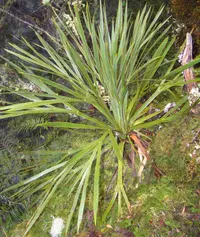
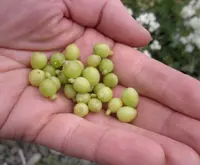
twinleaf Care (Jeffersonia diphylla)

Also known as: rheumatism root, Manchuria
twinleaf

About twinleaf

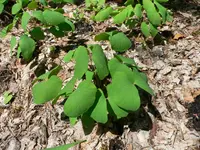
Twinleaf, Jeffersonia diphylla, is a small woodland perennial native to rich deciduous forests of eastern North America. It forms tidy clumps from short rhizomes. The plant is recognized by its paired, butterfly-shaped blue-green leaves and a brief display of white, anemone-like spring flowers that appear before the tree canopy fully leafs out. After flowering, it develops ornamental seed capsules that add subtle interest. Twinleaf prefers cool, shaded sites with moist, humus-rich, well-drained soil, similar to its forest-floor habitat. Once established, it is long-lived but can be slow to settle, so learning how to care for twinleaf helps maintain healthy clumps over time.

Main Plant Requirements

Care Difficulty

Moderate Care

Light Preference

Partial Shade

Water Requirements

Regular Water

Temperature Preference

Cold Hardy

Hardiness Zone

4–8

Soil Texture

Loamy, Silty, Organic-rich

Soil pH

Acidic (5.5–6.5), Slightly acidic (6.5–7.0)

Soil Drainage

Moist but well-drained

Fertilization

Minimal (feed rarely)

Get Personalized Care Plan

Scan your plant to receive care tips personalized for your specific plant

Available on iOS and Android

How to Care for the twinleaf

This woodland perennial prefers cool, filtered light similar to its native forest-floor habitat.

  • Provide dappled shade or morning sun with afternoon shade, aiming for 2–4 hours of gentle direct sun and bright, filtered light the rest of the day.
  • Site twinleaf under open-canopy trees or on the north or east side of buildings to avoid harsh midday and afternoon sun that can scorch leaves.
  • In spring, slightly brighter conditions are tolerated before trees leaf out; in summer, ensure consistent shade to prevent leaf burn and premature dormancy.

This species prefers evenly moist, humus-rich soil that never stays soggy for long periods.

  • Water when the top 2–3 cm of soil feel slightly dry, using slow, deep watering so moisture reaches the root zone without flooding the crown.
  • Ensure sharp drainage with high organic matter; standing water, sour smell, or limp, yellowing foliage suggests overwatering in Jeffersonia diphylla.
  • In spring growth and early summer, monitor closely and water more often during dry spells; reduce watering once foliage naturally declines and the plant enters dormancy.

This woodland perennial is cold-hardy but prefers cool to mild growing temperatures during its active season.

  • Optimal spring growth occurs around 50–70°F (10–21°C); prolonged heat above 80°F (27°C) often triggers earlier dormancy rather than vigorous growth.
  • The plant tolerates winter lows well below 0°F (-18°C) when dormant, provided soil drains well and roots are not exposed by heaving.
  • In hot climates, combine shade, organic mulch, and consistent soil moisture to buffer soil temperatures and protect roots from heat stress above 85°F (29°C).

This woodland perennial prefers moderate, stable humidity similar to shaded garden conditions.

  • Aim for 40–60% humidity, which suits twinleaf when combined with consistently moist, cool soil.
  • Plants tolerate slightly dry air if roots never dry out and foliage is shaded from hot sun and wind.
  • Crisping leaf edges or premature yellowing in spring indicate humidity or moisture stress; increase shade and mulch lightly to buffer moisture loss.
  • In dry, exposed spots, group plants close together and use leaf mold mulch to create a more humid boundary layer around foliage.

Jeffersonia diphylla grows best in moist, airy, humus-rich soils that mimic a deciduous woodland floor.

  • Use a loose, loamy mix built from roughly equal parts garden soil, leaf mold or compost, and fine pine bark for structure.
  • Ensure steady drainage so water moves through but the root zone stays evenly moist, never waterlogged or bone-dry.
  • Target a slightly acidic to neutral pH around 6.0–7.0, avoiding strongly alkaline substrates that limit nutrient availability.
  • Improve aeration and drainage in heavy clay by incorporating shredded bark and coarse compost, and avoid compacted, sun-baked, or gravelly dry sites.

This species can be grown in containers if the pot replicates cool, moist, woodland-like root conditions.

  • Choose a deep, insulated container (thick terracotta or double-walled plastic) to keep the root zone cool and reduce rapid moisture swings.
  • Use a tall pot shape so excess water drains down and away from the crown, which is sensitive to standing water.
  • Position the container in dappled shade against a north or east wall to protect roots from overheating and rapid drying.

Jeffersonia diphylla is a woodland perennial that needs only light feeding in rich, humusy soil.

  • Apply a thin layer of compost or leaf mold around clumps in early spring before new growth emerges.
  • In poorer soils, use a balanced, slow-release fertilizer (around 10-10-10) at half label rate once in spring.
  • Avoid summer and fall feeding, which can stimulate tender growth before dormancy.
  • Do not fertilize during winter dormancy; focus on maintaining moist, organic-rich soil for healthy twinleaf growth.

Jeffersonia diphylla needs minimal pruning, mainly for cleanliness and plant health.

  • Cut back spent flower stalks after blooming to keep the plant tidy without affecting next year’s flowers.
  • Remove yellowing, damaged, or diseased leaves with clean, sharp scissors close to the base.
  • In late fall or after frost, clear away collapsed foliage to reduce overwintering pests and fungal spores.
  • Avoid heavy cutting or shaping; the plant’s natural clumping habit maintains an attractive, low mound.

This species is usually grown in the ground, so focus on gentle transplanting rather than frequent repotting.

  • Transplant in early spring or early fall when growth is slow and soil is cool and moist.
  • Move clumps only if growth declines, the site is too dry or sunny, or crowns are buried by competing plants.
  • Lift with a wide soil ball, keep roots shaded and moist, and replant at the same depth in humus-rich soil.
  • Water thoroughly after transplanting, then keep evenly moist for several weeks to reduce root stress and aid re-establishment.

Propagation of Jeffersonia diphylla is possible by seed or careful division, but it is relatively slow.

  • Sow fresh seed in late summer or fall outdoors in a shaded, protected bed to allow natural cold stratification.
  • Keep seed pots or trays consistently moist; germination may occur the following spring or take 1–2 years.
  • Divide mature, well-established clumps in early spring, keeping several buds and plenty of roots per division.
  • Replant divisions promptly in cool, moist, humus-rich soil and water well to support recovery and new growth.

This woodland perennial is cold hardy in much of the US and usually needs little special winter care.

  • Once foliage dies back after frost, allow it to wither naturally or remove it for tidiness and disease reduction.
  • Apply a 3–5 cm layer of leaf mold or shredded leaves over the root zone to insulate crowns and mimic forest litter.
  • Container-grown plants in colder regions can be sunk into the ground or moved into an unheated, frost-free shelter.

Care Tips

Leaf mulch shield

Each autumn, leave a 3–5 cm layer of whole or partially shredded deciduous leaves over the planting area to mimic woodland litter, buffer soil moisture, and protect shallow rhizomes from winter heaving.

Gentle clump division

If flowering declines, divide clumps very early in spring as growth just emerges, keeping divisions large with several buds and replanting them immediately at the same depth to reduce transplant shock.

Summer dormancy marker

Place discreet markers or labels where plants grow so you do not disturb dormant rhizomes when Jeffersonia foliage dies back in summer or when working in the bed later in the season.

Slug and snail patrol

In early spring, set out shallow beer or yeast-water traps and hand-pick slugs at dusk to protect the emerging foliage and flowers, which are more vulnerable to chewing damage at this stage.

Gradual site expansion

To slowly expand a colony without stressing original plants, top-dress just beyond the existing clump with a thin band of compost and leaf mold each year, encouraging new self-sown seedlings and rhizome spread in that direction while gently guiding where growing twinleaf will naturalize.

Common Pests and Diseases

Slugs and snails

This pest feeds on the tender spring foliage and young flowering stems, often leaving irregular holes and ragged edges on the leaves of this woodland perennial.

Solution

Hand-pick slugs and snails in the evening, use beer traps or iron-phosphate bait around plant clumps, and keep mulch slightly pulled back from crowns to reduce hiding spots while still maintaining the cool, moist conditions needed for Jeffersonia diphylla care.

Leaf spot

This disease causes small brown to dark purple spots on leaves that may coalesce into larger blotches, especially in warm, humid conditions with poor air movement.

Solution

Remove and discard affected leaves to reduce inoculum, avoid overhead watering, thin nearby vegetation to improve airflow, and if the problem recurs yearly, apply a copper or chlorothalonil fungicide labeled for ornamental perennials early in the season according to label directions.

Botrytis blight

This disease produces soft, water-soaked lesions on leaves, flower stalks, or seed pods that can develop fuzzy gray mold in prolonged cool, damp weather.

Solution

Promptly cut off and dispose of infected tissue, keep fallen debris cleared from around the crowns, space plants so air can circulate, and in persistently wet springs consider a preventative application of a Botrytis-active fungicide labeled for ornamentals.

Root and crown rot complex

Symptoms include sudden collapse, yellowing, or stunted growth when the plant sits in poorly drained, waterlogged soil, often leading to decay at the crown or roots from soilborne fungi such as Pythium or Phytophthora.

Solution

Improve drainage by planting in humus-rich but well-drained soil, avoid planting in low, saturated spots, reduce irrigation once plants are established, and discard severely affected clumps rather than replanting in the same soggy location.

Interesting Facts

Early spring bloomer

This woodland perennial often flowers in very early spring, sometimes before tree canopies leaf out, taking advantage of high light levels on the forest floor for rapid growth and reproduction.

Ant-assisted seed dispersal

Its seeds have a fleshy nutrient-rich appendage called an elaiosome that attracts ants, which carry the seeds away, feed on the elaiosome, and discard the seeds in new locations, helping the plant spread.

Distinctive twin leaves

The species name diphylla refers to its paired leaf lobes; each leaf blade is deeply divided into two broad, symmetrical halves that give the plant its common name, twinleaf.

Botan icon

Did you know?

This species is considered an indicator of relatively undisturbed, mature deciduous forests in parts of eastern North America, so its presence can signal long-term habitat stability and intact woodland ecosystems.

FAQs about twinleaf

This woodland perennial spreads slowly by short rhizomes and self-seeding. It usually forms small, polite clumps over many years, not large colonies. Occasional seedling removal is enough to keep it in bounds in shaded beds.

Grow Healthy Plants with Botan Care

Keep your plants happy and healthy with plant identification, disease detection, and easy care guidance.

Botan plant care app — identify plants on mobile

Explore More Plants