seven sisters Care (Crinum americanum)

Also known as: Southern Swamp Crinum, American Crinum, String-lily
seven sisters

About seven sisters

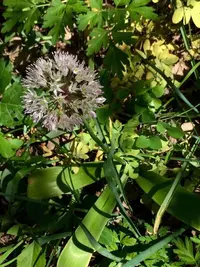
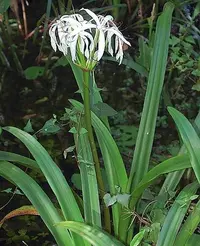
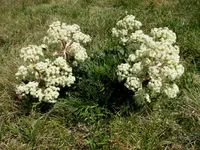
Crinum americanum, commonly called seven sisters or swamp lily, is a perennial, bulb-forming plant in the amaryllis family. It produces tall, strap-like leaves and large, white, spider-like flowers held on sturdy stalks above the foliage. Native to wetlands and swampy areas in the southeastern United States and the Caribbean, it naturally grows in or near shallow water with consistently moist conditions. The plant is long-lived but slow to establish, so it suits patient growers with space for its mature size. It prefers sun to light shade, rich organic soil, and steady moisture, which are key points when planning how to care for seven sisters.

Main Plant Requirements

Care Difficulty

Moderate Care

Light Preference

Full Sun

Water Requirements

Aquatic

Temperature Preference

Tropical / Frost Sensitive

Hardiness Zone

8–11

Soil Texture

Sandy, Loamy, Organic-rich

Soil pH

Slightly acidic (6.5–7.0), Neutral (7.0)

Soil Drainage

Waterlogged tolerant

Fertilization

Minimal (feed rarely)

Get Personalized Care Plan

Scan your plant to receive care tips personalized for your specific plant

Available on iOS and Android

How to Care for the seven sisters

Crinum americanum thrives in bright, warm conditions with consistent access to sun near shallow water or wet soil.

  • Provide 4–6 hours of direct sun daily, ideally with morning sun and light afternoon shade to protect foliage from scorching.
  • Tolerates partial shade, but flowering of seven sisters decreases if it receives less than 3–4 hours of direct sun during the growing season.
  • In hot summers, offer filtered light during the harshest midday sun; in cooler months, prioritize more open exposure to maintain strong growth.

This wetland bulb prefers constantly moist conditions rather than alternating wet and dry cycles.

  • In the ground near ponds or boggy spots, allow soil or mud to stay saturated; do not allow the root zone to dry out fully.
  • In well-drained beds, water whenever the top 2–3 cm feel barely moist, watching for drooping or folding leaves as a sign Crinum americanum is staying too dry.
  • Yellowing, soft leaves and a rotting bulb indicate chronic overwatering in poorly drained soil; improve drainage or move the plant closer to naturally wet ground.

This species performs best in warm, frost-free climates and reacts poorly to extended cold.

  • Optimal growth occurs around 70–85°F (21–29°C), typical of long, warm summers in subtropical and warm temperate regions.
  • It tolerates brief dips to about 40°F (4°C) but foliage is damaged by frost; temperatures below 32°F (0°C) can injure bulbs, especially in waterlogged sites.
  • In very hot weather above 95°F (35°C), ensure ample water and some light shade to prevent stress, while maintaining open exposure during mild spring and fall.

Crinum americanum prefers consistently moist air but adapts to typical home humidity if root moisture is stable.

  • Aim for 50–70% humidity, similar to its native wetland habitat, for optimal foliage health.
  • It tolerates periods of drier air if the root zone never dries out completely and light is not excessively intense.
  • Low humidity stress shows as leaf tip browning and rolling; increase humidity with a nearby water tray or grouping plants, especially when caring for seven sisters.

Crinum americanum grows best in wet, organic, slightly acidic substrates that stay saturated without turning anaerobic.

  • Use a heavy, organic-rich mix such as 60% composted bark or leaf mold with 40% sandy loam to mimic marshy conditions.
  • Keep drainage slow rather than fast; the root zone should remain constantly moist, even waterlogged, without foul odor or slime.
  • Target a pH around 6.0–6.8 by blending in compost and avoiding lime-heavy amendments unless a soil test shows strong acidity.
  • In drier climates or raised beds, line the planting area with clay-rich subsoil to reduce rapid percolation and help maintain a shallow water table.

This species can be grown in large containers, especially where in-ground space is limited or frost protection is needed.

  • Choose a deep, wide, heavy pot to anchor the tall foliage and accommodate its large bulb and thick roots without tipping in wind.
  • Select a non-porous container material, such as glazed ceramic or plastic, to slow evaporation and keep the potting mix consistently wet.
  • Use a container saucer with a controlled water reservoir, allowing the lower mix to stay saturated while monitoring to prevent stagnant, foul-smelling water.

Crinum americanum responds well to modest feeding in rich, consistently moist soil.

  • Use a balanced NPK fertilizer or slow-release granules at half strength at the start of spring growth.
  • Feed outdoor clumps every 6–8 weeks through the warm growing season if soil is poor.
  • Reduce or stop feeding in late fall and winter when growth slows or foliage dies back.
  • For caring for seven sisters in containers, supplement with diluted liquid feed in between slow-release doses.

Pruning for Crinum americanum focuses mainly on sanitation and maintaining tidy clumps.

  • In late winter or early spring, cut away dead or yellowed leaves at the base with clean hand pruners.
  • Remove spent flower stalks after blooming to direct energy back to bulbs rather than seed production.
  • Thin out weak, damaged, or crowded leaves to improve air flow and reduce fungal problems.
  • Avoid heavy cutting into healthy green foliage, as this can reduce flowering and stress the bulbs.

Transplanting Crinum americanum is infrequent and mainly needed when clumps outgrow their space or flowering declines.

  • Look for slow growth, reduced blooms, or bulbs crowded and pushing above soil as signs it needs more room.
  • Transplant or divide clumps in late winter or early spring, before strong new growth begins.
  • Plan on moving or dividing established bulbs only every 4–6 years, as they dislike frequent disturbance.
  • Lift bulbs carefully, keep roots moist, replant at original depth, then water well to reduce transplant shock.

Propagation of Crinum americanum is most reliable by division of mature bulbs or offsets.

  • Divide clumps in late winter or early spring when foliage is minimal and soil is workable.
  • Gently separate offsets from parent bulbs, keeping roots intact, and discard any soft or rotten tissue.
  • Replant divisions at the same depth in moist, well-drained soil with full sun to light shade.
  • Seed sowing is possible in warm conditions but germination and maturity are slow compared with division.

Winter care needs for Crinum americanum depend on climate, with more attention required where frost occurs.

  • In USDA zones 8–10, bulbs are generally hardy and only need well-drained soil to avoid rot.
  • In cooler regions, apply a 5–10 cm mulch layer over the root zone after foliage dies back.
  • Where hard freezes occur, lift bulbs or move containers indoors to a frost-free, cool, bright space.
  • Water sparingly in winter, keeping soil just barely moist so dormant bulbs do not desiccate.

Care Tips

Stabilize Heavy Clumps

Install low, semicircular wire or plastic edging around the clump before flowering to support tall stalks and prevent wind damage to the heavy umbels.

Bulb Offsets Management

Lift and divide crowded bulbs every 4–6 years in late winter, replanting only firm, healthy offsets and discarding any with soft or discolored basal plates to maintain vigorous growth.

Flooding And Drawdown

In ponds or water features, allow periodic shallow drawdowns that expose the crown but not the bulb to air, which helps oxygenate roots and limits rot in long-term saturated sites.

Edge Protection In Ponds

When planting in naturalistic water margins, place bulbs slightly upslope from the deepest water line or in perforated baskets anchored with gravel so fluctuating water levels do not submerge them too deeply.

Monitor Leaf Nutrient Clues

Use foliage color and texture as a guide, since stiff, dark green leaves usually indicate adequate nutrition, while pale, narrow, or weak leaves suggest it is time to review fertilization and other aspects of caring for seven sisters.

Common Pests and Diseases

Crinum leaf miner

This pest tunnels inside the leaves, creating pale, winding streaks that cause foliage to yellow and weaken. Symptoms include distorted new growth and reduced vigor in clumps growing in wet or marginal pond sites.

Solution

Remove and destroy affected leaves as soon as mines are seen, then encourage strong regrowth with steady moisture and balanced nutrition. For heavy infestations, use a systemic insecticide labeled for ornamental bulbs and apply it as a soil drench, repeating according to label directions to protect new leaves during the growing season.

Crinum lily aphids

These insects cluster on young leaves and flower stalks, sucking sap and leaving sticky honeydew that can attract sooty mold. This pest often appears during warm, soft growth flushes, especially on plants in nutrient-rich, shallow water or very damp soil.

Solution

Rinse colonies off with a firm stream of water and remove heavily infested leaves or scapes. If populations persist, apply an insecticidal soap or horticultural oil, coating both leaf surfaces in the early morning and repeating every 5–7 days until new growth remains clean.

Bulb scale rot

This disease causes soft, brown, foul-smelling areas between bulb scales, often starting at wounds or cut surfaces. Symptoms include yellowing and collapse of outer leaves, especially in bulbs planted too deep in poorly drained mud at pond margins.

Solution

Lift affected bulbs, trim away all soft tissue back to firm white scales, and dust the cut surfaces with a sulfur or copper-based fungicidal powder before replanting. Improve drainage by setting bulbs in coarse sand or gravel pockets in the planting zone and avoid burying the neck of the bulb below constantly saturated anaerobic mud.

Leaf spot

This disease produces small water-soaked lesions on leaves that enlarge into tan or brown spots with darker margins. Symptoms include premature leaf yellowing and decline, especially when foliage stays wet for long periods in warm, still air around ponds or water features.

Solution

Remove and discard spotted leaves promptly and avoid overhead watering that keeps foliage wet into the evening. In recurring cases, apply a copper-based fungicide labeled for ornamentals at the first sign of spotting, and maintain wider spacing or better air flow around clumps to keep leaves drying quickly after rain or irrigation.

Spider mites

These pests are tiny sap-feeding arachnids that cause stippled, dull foliage and fine webbing, particularly on plants grown in containers or very hot, dry spots at the pond edge. Symptoms include bronzing of leaves and slowed growth when humidity stays low for extended periods.

Solution

Increase humidity around plants, then hose down foliage thoroughly, focusing on the undersides of leaves to dislodge mites and webs. For persistent infestations, use horticultural oil or insecticidal soap directed to the undersides of leaves every 5–7 days, and avoid placing container plants in extremely hot, reflective positions that favor mite buildup.

Interesting Facts

Specialized wetland bulb

This species forms a true bulb that tolerates long-term inundation in freshwater marshes, swamps, and slow-moving streams, an uncommon adaptation among large ornamental bulb plants.

Night-scented pollinator signal

Its large white flowers often release a stronger fragrance from late afternoon into night, which helps attract nocturnal or crepuscular pollinators such as moths along dim, wetland edges.

Native southeastern range

The plant is naturally distributed in lowland wetlands of the southeastern United States and parts of the Caribbean, where it contributes to native wetland plant communities rather than being an introduced ornamental.

Botan icon

Did you know?

In favorable wetland conditions, this species can form dense colonies from its bulbs and offsets that help stabilize soft, silty soils along water margins, reducing erosion in shallow freshwater habitats.

FAQs about seven sisters

Lack of flowering usually comes from insufficient plant maturity, inadequate light intensity, or nutrient imbalance, especially low potassium. Bulbs also bloom poorly if crowded or recently divided, or if exposed to prolonged cool conditions that slow growth.

Grow Healthy Plants with Botan Care

Keep your plants happy and healthy with plant identification, disease detection, and easy care guidance.

Botan plant care app — identify plants on mobile

Explore More Plants