Lemmon's onion Care (Allium lemmonii)

Lemmon's onion

About Lemmon's onion

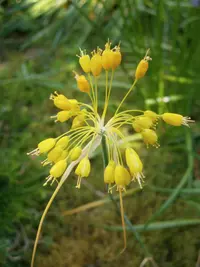
Lemmon's onion, Allium lemmonii, is a small bulb-forming perennial native to dry, open habitats of the western United States. It typically grows in rocky or sandy soils on hillsides and flats.

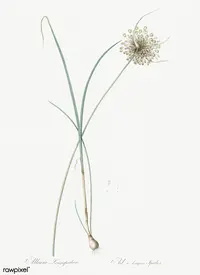
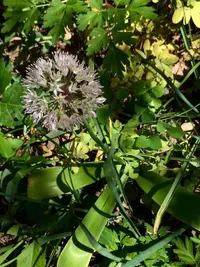
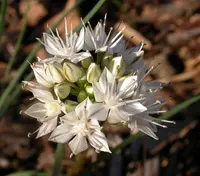
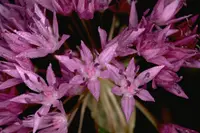
The plant forms narrow, grass-like leaves and slender stems topped with clusters of starry, pink to lavender flowers. These blooms attract bees and other pollinators.

This species is adapted to drought, lean soils, and strong sun, which makes it relatively low-maintenance once established. Understanding how to care for Lemmon's onion starts with providing sharp drainage and avoiding consistently wet conditions.

Main Plant Requirements

Care Difficulty

Easy Care

Light Preference

Full Sun

Water Requirements

Low Water

Temperature Preference

Cold Hardy

Hardiness Zone

6–9

Soil Texture

Sandy, Loamy, Rocky

Soil pH

Slightly acidic (6.5–7.0), Neutral (7.0)

Soil Drainage

Well-drained

Fertilization

Minimal (feed rarely)

Get Personalized Care Plan

Scan your plant to receive care tips personalized for your specific plant

Available on iOS and Android

How to Care for the Lemmon's onion

This sun-loving bulb thrives in bright, open sites typical of dry western habitats.

  • Provide 6–8 hours of direct sun daily; morning to early afternoon sun is ideal for flowering and compact growth.
  • Tolerates light partial shade (around 3–4 hours sun), but stems may stretch and bloom quantity can drop in shadier spots.
  • Lemmon's onion handles intense summer sun in dry, well-drained soil; leaf tips may scorch if roots stay wet or reflected heat is extreme.

This species prefers dry to moderately dry conditions and is highly sensitive to excess moisture around the bulb.

  • Allow soil to dry thoroughly, at least the top 5–8 cm, before watering; in naturalistic beds it often manages with rainfall alone once established.
  • Use sharply drained, gritty soil or a sloped site so water runs off quickly, reducing risk of bulb rot from standing moisture.
  • During active growth, slight leaf wilt and soft, bending leaves signal underwatering, while yellowing, mushy bases indicate overwatering stress for Allium lemmonii.

This hardy bulb is adapted to continental climates with cold winters and hot, dry summers.

  • Active growth is best at 60–80°F (16–27°C), with flowering and foliage development strongest in the cooler part of this range.
  • Dormant bulbs tolerate winter lows near 0°F (-18°C) if soil drains well and does not stay saturated or icy for long periods.
  • In summer heat above 90°F (32°C), plants cope well if soil is dryish; prolonged hot, humid conditions can increase fungal issues around the bulbs.

This species is adapted to dry climates and usually does not need increased humidity indoors.

  • Target 30–40% humidity; levels typical of heated homes are adequate for Lemmon's onion.
  • Dry, crisp leaf tips with pale tissue can signal excessive indoor dryness combined with heat stress.
  • Increase local humidity only if air drops below 25% by grouping pots or placing a pebble tray nearby, not by misting.

Allium lemmonii needs very well-drained, lean soil to prevent bulb rot.

  • Use a gritty mix such as 50% coarse sand or fine gravel with 50% sandy loam or cactus mix to keep bulbs dry between waterings.
  • Maintain slightly alkaline to neutral pH around 7.0–7.5, avoiding strongly acidic mixes that can limit nutrient availability.
  • Improve aeration by incorporating mineral aggregates like pumice or perlite instead of large amounts of peat or other water-holding organics.
  • Avoid heavy clay, compacted beds, or spots where water stands after rain, as these conditions quickly lead to bulb decay in Allium lemmonii.

This species is suitable for container growing if the pot drains quickly and stays relatively dry around the bulbs.

  • Choose a deep container so bulbs can sit at least 7–10 cm below the rim, which buffers temperature and protects developing roots.
  • Select unglazed clay pots to allow faster evaporation, which helps mimic the dry, rocky habitats of Lemmon's onion.
  • Raise the pot on feet or bricks so drainage holes stay clear and excess water cannot pool under the container after rain or watering.

This drought-adapted bulb needs only modest feeding to support flowering and bulb health.

  • Apply a light layer of compost or a low-dose balanced NPK granular fertilizer (such as 5-5-5) once in early spring as growth begins.
  • Use about half the label-recommended strength for container plants to avoid salt buildup around the small bulbs.
  • Skip feeding during midsummer dormancy and in winter, as Lemmon's onion rests and does not use extra nutrients.
  • Avoid frequent high-nitrogen products, which can promote weak, lush foliage at the expense of flowers.

Allium lemmonii needs minimal pruning, mainly to keep clumps tidy and reduce disease risk.

  • In late summer or fall, cut back completely brown, dry flower stalks and foliage at the base using clean hand pruners or scissors.
  • Remove only dead, damaged, or diseased leaves during active growth to maintain photosynthesis and bulb strength.
  • Do not trim green leaves heavily, as they feed the bulbs and support next season’s flowering.
  • Collect and discard pruned material to limit fungal issues and keep beds neat.

This small, clump-forming wild onion is usually grown in the ground and rarely needs frequent transplanting.

  • Transplant or divide clumps every 3–5 years, preferably in late summer to early fall after foliage has died back.
  • Look for crowded bulbs, reduced flowering, or small, weak stems as signs that Allium lemmonii benefits from lifting and spacing.
  • Gently lift bulbs with a fork, separate offsets by hand, and replant at the same depth in well-drained, gritty soil.
  • Water lightly after replanting, then allow soil to dry somewhat between waterings to limit rot and reduce transplant stress.

This species is commonly propagated by bulb division and by seed under suitable conditions.

  • Divide mature clumps in late summer or early fall once foliage is fully dormant, separating firm, healthy offsets from the parent bulb.
  • Replant divisions at the original depth in sharply drained sandy or gravelly soil, spacing them to allow future clump expansion.
  • Sow fresh seed in fall in trays or outdoor beds, as natural cold stratification over winter improves germination.
  • Keep seed trays evenly moist but never waterlogged, and expect seedlings to need several years to reach flowering size.

This cold-hardy native bulb generally needs little winter attention in typical temperate climates.

  • Allium lemmonii tolerates freezing temperatures when planted in well-drained soil that does not stay waterlogged.
  • Apply a light gravel or thin organic mulch layer in late fall to moderate soil temperature and reduce heaving.
  • For containers in very cold regions, move pots to a sheltered, unheated but frost-exposed spot to prevent repeated freeze–thaw stress.

Care Tips

Bulb clump management

Lift and divide crowded clumps every 3–4 years in late summer dormancy, spacing bulbs 5–8 cm apart to maintain flowering vigor and prevent self-sown seedlings from becoming too dense.

Seed head handling

If self-seeding is desirable, leave some dry seed heads on the plant until they shatter naturally; if not, clip them promptly after flowering to direct energy back to the bulb and keep the planting tidy.

Rock garden positioning

Plant bulbs in slight slopes, gravel pockets, or raised rock garden beds so excess water drains quickly away from the basal plate, which is the flat underside of the bulb where roots emerge.

Targeted weed control

Suppress weeds around bulbs with a thin (1–2 cm) layer of grit or fine gravel rather than organic mulch, which helps maintain sharp drainage and reduces competition without keeping the soil overly moist.

Dormancy protection

In areas with wet winters, place a simple rain shield or cold frame lid over the planting area during dormancy to keep bulbs dry and stable, which is critical when growing Lemmon's onion in heavy soils.

Common Pests and Diseases

onion thrips

This pest feeds on leaves and flower stalks, causing silvery streaks, fine speckling, and reduced vigor, especially in hot, dry weather.

Solution

Remove heavily damaged foliage and reduce nearby grassy weeds that host thrips. Use a firm spray of water to dislodge insects, then apply insecticidal soap or a spinosad-based product in the evening, repeating as needed while monitoring for natural predators like lacewings.

bulb mites

These insects attack stressed or damaged bulbs, tunneling into the tissue and leading to soft, shrunken bulbs and weak, stunted shoots.

Solution

Discard badly infested bulbs and avoid planting in heavy, wet soil or beds with recent organic manure that favors mites. For remaining stock, dry and cure lifted bulbs thoroughly, remove loose outer scales, and rotate plantings to fresh, well-drained ground for better Allium lemmonii care.

onion root maggot

This pest feeds on roots and basal plates, causing yellowing, wilting, and collapse of plants, often starting at the seedling or young plant stage.

Solution

Remove and destroy affected plants and any exposed larvae, and avoid leaving old onion-family plant debris in the soil. Use floating row covers at planting in outdoor beds, employ crop rotation, and consider applying beneficial nematodes to the soil to reduce maggot populations.

downy mildew

This disease produces pale, patchy chlorosis on leaves that can develop into grayish-purple fuzz in cool, moist conditions, eventually causing leaf collapse.

Solution

Improve air circulation around clumps, water at soil level in the morning, and avoid overhead irrigation late in the day. Remove and dispose of infected foliage, then space future plantings more widely and avoid reusing the same site for several years if outbreaks are severe.

Botrytis leaf blight

This disease causes small, white to tan spots with water-soaked margins on leaves that can merge into larger blighted areas, sometimes accompanied by gray mold on dead tissue.

Solution

Promptly remove and discard affected leaves and any plant debris around the bulbs. Maintain good spacing, avoid crowding and excessive nitrogen, water only at the base, and if conditions stay cool and damp, use a labeled fungicide for ornamental alliums according to local guidance.

Interesting Facts

Great Basin specialist

This species is native to the arid Great Basin region of the western United States, where it grows on dry, open slopes and rocky flats rather than in the moister habitats favored by many other wild onions.

Prefers alkaline soils

Allium lemmonii is notably associated with calcareous and other alkaline substrates, often occurring on limestone- or ash-derived soils that many garden alliums do not naturally occupy.

Compact flowering habit

The plant forms low, narrow leaves and relatively small umbels of pale pink to lavender flowers, an adaptation that fits windy, exposed desert steppe sites with limited moisture.

FAQs about Lemmon's onion

Lack of flowers often comes from insufficient sun, bulbs planted too deep, or overly rich, moist soil. This species needs a dry rest after flowering; if kept constantly watered or fertilized, it may put energy into leaves instead of blooms.

Grow Healthy Plants with Botan Care

Keep your plants happy and healthy with plant identification, disease detection, and easy care guidance.

Botan plant care app — identify plants on mobile

Explore More Plants