Red Root Care (Wachendorfia thyrsiflora)

Also known as: Blood root, Rocket Butterflylily, Thirsty Bloodroot
Red Root

About Red Root

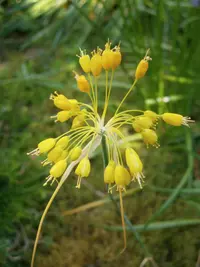
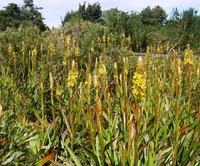
Red root, Wachendorfia thyrsiflora, is a moisture-loving perennial from South Africa, often found along streams, marshes, and wet slopes. It forms dense clumps of upright, strap-shaped leaves. Tall flower spikes rise above the foliage, carrying many star-shaped yellow flowers that create a strong vertical accent in bog gardens or at pond edges. The plant develops a thick, reddish rhizome, which gives rise to the common name. It is generally robust and long-lived when kept in consistently moist soil and full sun to light shade. For gardeners learning how to care for Red Root, the main challenges are providing enough water and a reliably damp, but not stagnant, growing site.

Main Plant Requirements

Care Difficulty

Moderate Care

Light Preference

Full Sun

Water Requirements

Keep Soil Moist

Temperature Preference

Warm Climate

Hardiness Zone

8–10

Soil Texture

Loamy, Silty, Organic-rich

Soil pH

Acidic (5.5–6.5), Slightly acidic (6.5–7.0)

Soil Drainage

Waterlogged tolerant

Fertilization

Minimal (feed rarely)

Get Personalized Care Plan

Scan your plant to receive care tips personalized for your specific plant

Available on iOS and Android

How to Care for the Red Root

Wachendorfia thyrsiflora is a sun-loving wetland perennial that still tolerates some partial shade.

  • Provide 6–8 hours of direct sun daily, ideally with strong morning sun and light afternoon shade in very hot climates.
  • Plant in an open site; light dappled shade for 2–4 hours is acceptable, but dense shade reduces flowering and causes weak, leaning stems in Red Root.
  • In cooler months, full sun is ideal; in summer heatwaves above 90°F (32°C), protect from intense mid-afternoon sun to avoid leaf scorch.

Wachendorfia thyrsiflora prefers consistently moist to boggy conditions and does not tolerate drought.

  • Aim for soil that is always damp 5–10 cm deep; in garden beds near water features or in boggy areas, allow no more than light surface drying between soakings.
  • During active growth, increase watering whenever the top 2–3 cm begin to lose sheen; in winter dormancy, keep soil moist but reduce volume to prevent stagnant, sour-smelling soil.
  • Watch for underwatering signs such as limp, folding leaves and browning tips; pale, soft, collapsing shoots or foul odor from the root zone indicate overwatering with poor drainage.

This species grows best in mild, frost-free climates with cool to warm conditions.

  • Optimal growth occurs around 60–77°F (16–25°C), supporting strong foliage and flowering when soil moisture stays consistently high.
  • Plants tolerate brief drops to about 28°F (-2°C); below this, foliage is damaged and rhizomes may die without thick mulch or water-insulated positions.
  • In summer, Wachendorfia thyrsiflora handles up to about 86–90°F (30–32°C) if soil remains wet; prolonged heat above this or hot, dry winds can scorch leaves and shorten flowering.

This wetland perennial prefers consistently moist air but adapts to typical household humidity.

  • Aim for 50–70% humidity to mirror its natural marshy habitat and support lush foliage.
  • Tolerates brief dips to 30–40%, but prolonged very dry air can cause browning leaf tips and curled edges in Red Root.
  • Increase humidity by grouping pots over a pebble tray with water or placing containers near, but not in, humid microclimates like bathrooms.

This species grows best in permanently moist, rich, and slightly heavy soil that still allows air to reach the roots.

  • Use a loamy mix with 50–60% composted organic matter plus garden loam and a small portion of coarse sand for structure.
  • Aim for slightly acidic to neutral pH around 6.0–7.0 to support nutrient uptake for Wachendorfia thyrsiflora.
  • Ensure a slow-draining yet aerated profile; the soil should stay damp but not stagnate or smell sour.
  • Avoid very light, sandy mixes or compacted clay; improve either by blending in organic matter and a little coarse sand or fine bark for better texture.

This moisture-loving species can be grown successfully in containers if pot choice supports constant dampness without waterlogging.

  • Select a tall, deep pot to accommodate the fleshy rhizomes and allow vertical root growth without crowding.
  • Use a heavy, stable container material like ceramic to prevent tipping as the tall flowering spikes develop.
  • Choose a pot with drainage holes but pair it with a water-retentive soil mix so the root zone never dries out completely between waterings.

This moisture-loving perennial benefits from light, consistent nutrition rather than heavy feeding.

  • Use a balanced, slow-release fertilizer (around 10-10-10) or a thin layer of compost at the start of spring growth when caring for Red Root.
  • Feed every 6–8 weeks through the active growing season if soil is low in organic matter.
  • Apply at 1/2–3/4 label strength on moist soil to limit root burn and salt buildup.
  • Stop feeding in late summer; avoid fertilizing during winter dormancy.

Wachendorfia thyrsiflora needs only light pruning to stay tidy and flower well.

  • In late winter or early spring, cut back dead, damaged, or diseased foliage at the base with clean, sharp shears.
  • Remove spent flower stalks after blooming to direct energy into rhizome and root development.
  • Thin out congested clumps every few years by taking out the oldest, weakest shoots.
  • Disinfect tools before and after use to limit the spread of fungal or bacterial problems.

This rhizomatous perennial is usually grown in-ground and only moved when clumps become crowded or poorly placed.

  • Transplant or divide in early spring or early fall, when growth is slower and temperatures are mild.
  • Look for dense, congested clumps, declining flowering, or roots circling a container as signs relocation is needed.
  • Lift the clump gently, tease rhizomes apart by hand, and keep as much soil as possible around the roots.
  • Replant at the same depth in a moist, well-drained site, then water thoroughly and shade lightly for 3–5 days.

This species is commonly propagated by division and, less often, from seed.

  • Divide mature clumps in early spring or early fall, lifting the plant and separating healthy rhizomes by hand or with a clean knife.
  • Replant divisions into moist, well-drained soil, spacing them to allow future clump expansion.
  • For seeds, sow fresh in trays of fine, free-draining mix and keep at 60–70°F with steady moisture.
  • Germinated seedlings need bright, indirect light and careful watering until strong enough for planting out.

In mild climates Wachendorfia thyrsiflora is fairly hardy but benefits from some root-zone insulation in colder areas.

  • Tolerates light frost, but prolonged freezes below about 20°F can damage rhizomes and buds.
  • Apply 5–8 cm of organic mulch in late fall, keeping it just clear of the crown to reduce rot risk.
  • In colder regions, grow in containers and move plants to a frost-free, cool, bright spot for winter.

Care Tips

Rhizome Division Timing

Divide clumps only once flowering declines, lifting and splitting the rhizomes in late winter to early spring so each division has several healthy buds and thick roots before replanting at the same depth.

Water Edge Positioning

For the strongest flowering and foliage, plant it at the shallow edge of ponds or bog gardens where the crown stays just above water level but the root zone remains constantly moist, not submerged.

Mulch For Moisture

Apply a 5–8 cm layer of coarse organic mulch around the plant each spring to stabilize soil moisture, suppress weeds, and protect shallow rhizomes, keeping mulch a few cm back from the crown to avoid rot.

Support In Wind

In exposed, windy sites, install low, discreet ring supports or short stakes around the clump before tall flower spikes emerge so the inflorescences stay upright and do not snap at the base.

Winter Protection Strategy

In colder areas near the edge of its hardiness, mark the clump in autumn and add an extra mulch layer over the root zone, then remove most of that insulating layer in early spring to prevent overly wet, rotting crowns while growing Red Root.

Common Pests and Diseases

Snout beetle grubs

Symptoms include wilting or collapse of flowering stems and loose, poorly anchored plants in wet ground. This pest feeds on underground parts, damaging rhizomes and young roots in saturated soils where Wachendorfia thyrsiflora is often grown.

Solution

Dig around affected clumps and remove visible white grubs by hand, then replant into well-prepared, consistently moist but not waterlogged soil. Encourage natural predators such as birds, avoid leaving thick mulch directly against rhizomes, and in heavy infestations treat the surrounding soil with a labeled biological control such as beneficial nematodes according to product directions.

Waterlogged crown rot

This disease causes yellowing foliage, stunted growth, and eventual collapse of shoots, especially in low spots where water stands around the crown for long periods. Symptoms include soft, discolored rhizomes when dug up.

Solution

Improve drainage by raising the planting area, reducing irrigation frequency, and avoiding standing water directly over the crown, even though the species likes consistently moist soil. Remove and discard badly affected rhizomes, then replant only firm, healthy pieces into fresh soil and avoid overhead watering in cool weather.

Leaf spot

This disease produces small brown or purplish spots that can merge into larger blotches on the long strap-like leaves, especially in humid, still conditions. Affected foliage may look untidy and die back prematurely but the rhizomes usually survive.

Solution

Remove and discard spotted leaves to reduce the source of spores, and increase air movement by thinning overcrowded clumps. Water at soil level in the morning, keep foliage as dry as possible, and if the problem repeats yearly, apply a labeled ornamental foliar fungicide during the early part of the growing season according to Wachendorfia thyrsiflora care instructions.

Aphids

These insects cluster on tender flower stems and leaf bases, sucking sap and causing distortion, sticky honeydew, and sometimes sooty mold on the tall inflorescences. This pest is more common on plants grown in sheltered, nutrient-rich, consistently moist sites.

Solution

Wash colonies off flower stems and leaves with a firm stream of water, repeating every few days as needed. For persistent infestations, apply insecticidal soap or a light horticultural oil, coating all sides of the stems and foliage, and limit high-nitrogen fertilization that promotes very soft growth.

Interesting Facts

Twisting leaf arrangement

The leaves are strongly distichous, meaning they grow in two opposite vertical rows, and the leaf blades twist so that the fan of foliage appears flattened despite arising from a spiral rhizome.

Golden wetland stands

In its natural range in the Western Cape of South Africa, this species forms dense stands along streams and in seasonally flooded wetlands, producing tall spikes of bright golden-yellow flowers in late winter to spring.

Specialized pollination visitors

The flowers produce accessible nectar and are visited mainly by long-tongued bees and other insects that move efficiently along the vertical flower spike, helping ensure cross-pollination between plants.

Botan icon

Did you know?

The genus Wachendorfia shows a rare floral trait called enantiostyly, where some flowers have the style (female part) bent to the left and others to the right; in Wachendorfia thyrsiflora whole plants are typically consistently left- or right-styled, which promotes outcrossing between opposite morphs and reduces self-pollination.

FAQs about Red Root

Poor flowering usually comes from too little light, overcrowded clumps, or nutrient imbalance. Divide congested rhizomes every few years, provide full sun to light shade, and use a balanced, low-phosphorus fertilizer to restore flowering.

Grow Healthy Plants with Botan Care

Keep your plants happy and healthy with plant identification, disease detection, and easy care guidance.

Botan plant care app — identify plants on mobile

Explore More Plants