Bulb Planting Depth
Plant large bulbs with the neck just at or slightly above the soil surface so the bulb does not rot yet remains stable enough to support tall flowering stalks.

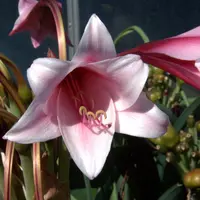
Hardy swamplily (Crinum bulbispermum) is a bulb-forming perennial often grown for its tall, elegant flower stalks and broad, arching leaves. It develops a substantial underground bulb and forms a clump that slowly enlarges over time.
This species is native to wet grasslands and river margins in southern Africa, so it is naturally adapted to moist sites and occasional flooding. In gardens it is valued for its large, lily-like blooms, usually white to pink with deeper striping, which appear above the foliage.
Gardeners who care for hardy swamplily appreciate its toughness once established, though it needs a sunny position and soil that does not stay waterlogged in cold conditions.

Care Difficulty
Moderate Care

Light Preference
Full Sun

Water Requirements
Regular Water

Temperature Preference
Cold Hardy

Hardiness Zone
6–10

Soil Texture
Sandy, Loamy, Clay

Soil pH
Slightly acidic (6.5–7.0), Neutral (7.0)

Soil Drainage
Moist but well-drained

Fertilization
Light (every 4–6 weeks)
Scan your plant to receive care tips personalized for your specific plant
Available on iOS and Android
Crinum bulbispermum performs best in strong, consistent light typical of open garden sites.
This species prefers evenly moist conditions but tolerates short dry spells once established.
This bulb thrives in warm summers and tolerates moderate winter cold with some protection.
Crinum bulbispermum handles a wide humidity range and usually does not need special humidity management.
Crinum bulbispermum prefers deep, moisture-retentive but well-drained soil that allows its large bulb to stay moist without becoming waterlogged.
This species can be grown in large containers if the pot provides enough depth and stable drainage for its extensive root system.
Crinum bulbispermum benefits from modest feeding to support strong bulb growth and flowering without creating lush, weak foliage in hardy swamplily plantings.
Crinum bulbispermum needs minimal pruning, focused mainly on hygiene and appearance rather than shaping.
Crinum bulbispermum is usually grown in the ground and prefers infrequent disturbance, but large clumps benefit from occasional lifting and transplanting.
Crinum bulbispermum is commonly propagated by division of offsets, with seed used mainly by patient growers or breeders.
Crinum bulbispermum is relatively cold hardy, yet some winter care improves survival and long-term vigor in colder regions.

Plant Health Check
Not sure what's wrong with your plant? Check your plant's health inside the app.
This species naturally grows in seasonal floodplains in South Africa and tolerates long periods of waterlogged soil that would rot many other bulbous plants.
Unlike many tropical Crinum species, this one is notably frost-tolerant and can survive winter lows well below freezing in suitable climates, which makes Crinum bulbispermum care quite different from tender amaryllis relatives.
Its large, lily-like flowers often open or become more strongly scented toward evening, aiding moth and night-flying insect pollinators in its native habitat.

In some South African habitats, mature plants can form dense, long-lived clumps with bulbs partially exposed above the soil surface, creating conspicuous, dome-like colonies that may persist in the same floodplain site for decades.
Lack of flowering is usually due to immaturity, recent division, or insufficient winter chill. Overcrowded bulbs, nutrient-poor soil, or shade can also reduce blooms. Allow several seasons for establishment before expecting full flowering.
Keep your plants happy and healthy with plant identification, disease detection, and easy care guidance.