Summer dormancy handling
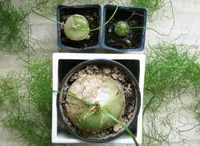
Mark pot locations and leave bulbs undisturbed and completely dry during summer dormancy so you do not accidentally discard or overwater apparently empty pots.

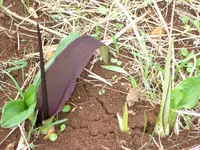
Biarum pyrami is a small, tuberous aroid that spends much of the year dormant and appears seasonally with a low rosette of leaves and a distinctive hooded flower. The inflorescence is close to the ground and often mottled, giving it a curious, somewhat sculptural look in rock gardens or specialist collections.
This species is native to parts of the eastern Mediterranean, where it grows in dry, rocky habitats with mild, wet winters and hot, dry summers. It can be challenging for beginners because it demands a strict dry rest in summer and is prone to rot if kept too moist. Those who learn how to care for Biarum pyrami often grow it in very free-draining, gritty soil with bright light and careful watering.

Care Difficulty
Hard Care

Light Preference
Partial Shade

Water Requirements
Low Water

Temperature Preference
Warm Climate

Hardiness Zone
9–11

Soil Texture
Sandy, Loamy, Rocky

Soil pH
Slightly acidic (6.5–7.0), Neutral (7.0)

Soil Drainage
Well-drained

Fertilization
Minimal (feed rarely)
Scan your plant to receive care tips personalized for your specific plant
Available on iOS and Android
This Mediterranean aroid prefers bright, gentle light that mimics an open, lightly shaded habitat.
Watering should respect this bulb-like plant’s strong dry-summer, moist-winter rhythm.
This species thrives in mild, Mediterranean-style conditions with cool to warm growing seasons and dry, warmer dormancy.
This species tolerates a fairly wide humidity range but grows best with slightly moist air.
This tuberous aroid needs sharply drained, airy soil to avoid rot.
This species is well suited to container growing, especially for climate control and drainage management.
This Mediterranean geophyte needs only light feeding on poor soils, so focus on modest, well-timed nutrition rather than heavy fertilizer use.
Biarum pyrami needs minimal pruning, mainly to keep the clump clean and reduce disease risk.
This tuberous aroid dislikes disturbance, so repotting or transplanting should be infrequent and carefully planned.
This species is usually increased slowly from tuber division or seed, and handling should remain careful to avoid damage.
This dormant Mediterranean bulb is fairly cold tolerant in mild climates but benefits from some winter protection in colder regions.

Plant Health Check
Not sure what's wrong with your plant? Check your plant's health inside the app.
This species is naturally restricted to very dry, rocky habitats in the Middle East, often growing in shallow soil pockets over limestone where few other geophytes can survive.
Biarum pyrami survives long, hot, rainless summers by retreating into a relatively deep-seated corm, which stores water and nutrients to fuel rapid growth after autumn rain.
The inflorescence typically emerges in autumn before or with the first leaves, taking advantage of cooler temperatures and brief moisture pulses outside the intense summer heat.
This species usually flowers in autumn, often before or as new leaves appear. A single, short-lived inflorescence emerges from the corm each season. Blooming is brief, typically a few days, then the plant focuses on foliage.
Keep your plants happy and healthy with plant identification, disease detection, and easy care guidance.