Mulch for bulb protection
Apply a 3–5 cm layer of loose, well-drained mulch after the soil cools in fall to buffer temperature swings, reduce heaving of bulbs, and keep the root zone evenly moist without staying wet.

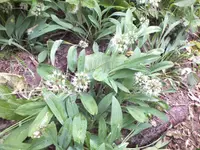
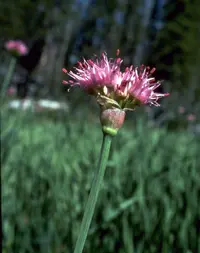
Allium microdictyon is a bulb-forming perennial in the onion family, valued mainly for its edible leaves rather than showy flowers. It forms low clumps of flat, broad, green foliage that emerges in early spring and dies back later in the season.
This species is native to East Asia, where it often grows in cool, moist woodland or mountain environments. It is generally undemanding if given humus-rich, well-drained soil and protection from hot, direct sun.
Gardeners interested in how to care for Allium microdictyon usually find it moderately easy, provided the site remains evenly moist and not waterlogged. Once established, it tends to be long-lived and stable in suitable climates.

Care Difficulty
Moderate Care

Light Preference
Partial Sun

Water Requirements
Moderate Water

Temperature Preference
Cold Hardy

Hardiness Zone
4–8

Soil Texture
Loamy, Sandy, Organic-rich

Soil pH
Acidic (5.5–6.5), Slightly acidic (6.5–7.0)

Soil Drainage
Well-drained

Fertilization
Minimal (feed rarely)
Scan your plant to receive care tips personalized for your specific plant
Available on iOS and Android
This hardy woodland allium prefers bright but not harsh exposure throughout the growing season.
This bulb prefers steadily moist, not saturated, soil during active growth.
This species is cold-hardy and adapted to climates with cool springs and cold winters.
Humidity is not a critical factor for Allium microdictyon, which prefers drier air conditions.
Allium microdictyon grows best in loose, well-drained, mineral-rich soil that never stays waterlogged.
This species is suitable for container growing when drainage and depth are carefully managed.
This bulb from woodland habitats needs only light feeding in most garden soils.
Allium microdictyon needs minimal pruning, mainly to keep clumps tidy and healthy.
This woodland allium is usually grown in beds, with transplanting focused on dividing crowded clumps.
Propagation of this species is commonly done by bulb division, with seed used mainly for longer-term projects.
This hardy bulb generally requires little winter care in temperate climates.

Plant Health Check
Not sure what's wrong with your plant? Check your plant's health inside the app.
This species is a woodland wild onion native to East Asia, closely related to the European ramsons Allium ursinum, and forms similar broad green carpets on moist forest floors in spring.
A. microdictyon emerges and completes most of its growth in early spring before trees fully leaf out, taking advantage of high light levels in deciduous forests.
In its native range the mild garlicky leaves are traditionally harvested in spring as a wild vegetable, used fresh or preserved, and valued as a seasonal food rather than as a strong spice.

Genetic and morphological studies show that Allium microdictyon and the similar-looking Allium ochotense are so closely allied that they were long confused taxonomically, and only detailed analysis of leaf and bulb traits plus chromosome characteristics reliably separates the two species.
This species is edible and used similarly to other wild garlics. Leaves and young shoots are most commonly harvested. Always confirm correct identification and avoid polluted sites, as bulbs and foliage can accumulate heavy metals from contaminated soil.
Keep your plants happy and healthy with plant identification, disease detection, and easy care guidance.