


Staggered Harvesting
Harvest only the outer, older leaves every few days to keep the plant in continuous vegetative growth and extend the productive life of each clump.


Philippine spinach, Talinum fruticosum, is a fast-growing leafy herb often grown as a short-lived perennial in warm climates. It is also known as waterleaf or Ceylon spinach.
The plant forms soft, fleshy stems with succulent, oval leaves and small star-shaped pink flowers, giving it an attractive, tidy appearance in beds or containers. It likely originates from tropical America but is now widely cultivated in Southeast Asia and other tropical regions.
This species is valued for its edible leaves and its tolerance of heat, regular harvesting, and occasional short dry spells. It prefers warm conditions, consistent moisture, and well-drained soil, which makes it relatively simple to care for Philippine spinach in suitable climates.

Care Difficulty
Easy Care

Light Preference
Full Sun

Water Requirements
Moderate Water

Temperature Preference
Tropical / Frost Sensitive

Hardiness Zone
10–12

Soil Texture
Sandy, Loamy, Organic-rich

Soil pH
Acidic (5.5–6.5), Slightly acidic (6.5–7.0)

Soil Drainage
Well-drained

Fertilization
Light (every 4–6 weeks)
Scan your plant to receive care tips personalized for your specific plant
Available on iOS and Android
This sun-loving leafy vegetable thrives in warm, bright conditions with protective shade at the hottest times.
This shallow-rooted plant prefers evenly moist, well-drained soil rather than constant wetness.
This warm-season leafy plant grows best in consistently warm, frost-free conditions.
This species handles a wide humidity range and usually does not need special humidity control.
Talinum fruticosum prefers light, sandy to loamy soil that drains quickly yet holds moderate moisture.
This species is well suited to container growing for easy harvesting and controlled spread.
Talinum fruticosum responds well to light, consistent feeding during warm, active growth.
Talinum fruticosum benefits from light, periodic pruning to keep plants compact and productive.
This plant tolerates moving well if repotting or transplanting is timed and handled carefully.
This species is commonly propagated by seed and soft stem cuttings under warm conditions.
Talinum fruticosum is frost-sensitive and needs protection in regions with cold winters.

Plant Health Check
Not sure what's wrong with your plant? Check your plant's health inside the app.
This species is a short-lived perennial herb widely cultivated in tropical and subtropical regions as a leafy vegetable, where the soft, succulent leaves and young shoots are eaten cooked or sometimes raw.
The plant forms a fleshy taproot and thick, water-storing stems and leaves, which help it continue producing edible foliage under high heat and short dry spells when many common leafy greens decline.
It is a quantitative short-day plant, meaning it flowers more abundantly when nights are longer, which influences how growers time sowing and harvesting when growing Philippine spinach.

This species shows a characteristic crassulacean acid metabolism (CAM) pattern under water stress, temporarily shifting its photosynthesis to open stomata mainly at night to reduce water loss while still fixing carbon, an unusual drought-adaptation strategy for a leafy vegetable crop.
The leaves and young stems are edible and commonly used as a leafy vegetable, especially in tropical cuisines. They can be eaten raw in small amounts or cooked, which reduces the slightly mucilaginous, or slippery, texture.
Keep your plants happy and healthy with plant identification, disease detection, and easy care guidance.


Yarrow
Achillea crithmifolia
 POPULAR
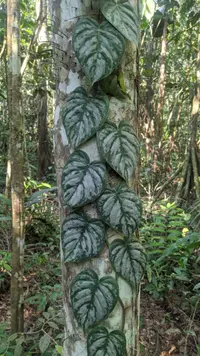
Philodendron brandtianum
Philodendron brandtianum

Golden Leaved Pineapple Sage
Salvia elegans Rockin' Golden Delicious
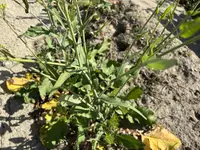
Field Mustard
Brassica rapa subsp. chinensis
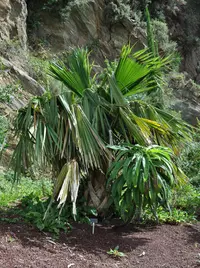
Guadalupe palm
Brahea edulis

Tomatillo
Physalis ixocarpa
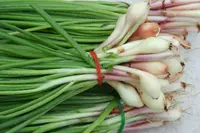
Tree onion
Allium × proliferum

lucuba palm
Dypsis madagascariensis