purple sage Care (Salvia dorrii)

Also known as: Dorr's Sage, Blue Sage, Tobacco Sage, Mint Sage, Gray Ball Sage, Desert Sage, Mintbrush
purple sage

About purple sage

Purple sage (Salvia dorrii) is a compact, woody perennial shrub native to dry regions of the western United States. It naturally grows on rocky slopes, desert scrub, and open mountain areas.

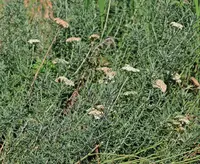
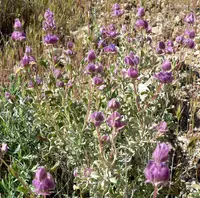
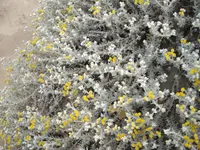
The plant forms low mounds with small, silvery-gray leaves and showy spikes of purple flowers that attract bees and other pollinators. Its drought tolerance and preference for full sun and fast-draining soil make it well suited to low-water gardens.

Once established, Salvia dorrii generally needs little intervention, which simplifies how to care for purple sage in suitable climates.

Main Plant Requirements

Care Difficulty

Easy Care

Light Preference

Full Sun

Water Requirements

Low Water

Temperature Preference

Cold Hardy

Hardiness Zone

4–9

Soil Texture

Sandy, Loamy, Rocky

Soil pH

Neutral (7.0), Slightly alkaline (7.0–7.5)

Soil Drainage

Well-drained

Fertilization

Minimal (feed rarely)

Get Personalized Care Plan

Scan your plant to receive care tips personalized for your specific plant

Available on iOS and Android

How to Care for the purple sage

This desert shrub needs strong sun to stay compact, silvery, and floriferous.

  • Provide full sun for 6–10 hours daily; open, south- or west-facing exposures suit purple sage best.
  • It tolerates light afternoon shade in very hot regions, but dense shade leads to leggy, weak growth and fewer flowers.
  • Avoid placement where taller plants or structures cast long shadows in winter, as low-angle sun can already reduce energy for next season’s growth.

This species is highly drought-tolerant and needs infrequent, careful watering.

  • Outdoors in the ground, wait until the top 5–8 cm of soil are completely dry and foliage looks slightly less turgid before watering deeply.
  • Use sharply drained, sandy or gravelly soil so water runs through within seconds; standing moisture around roots greatly increases rot risk for Salvia dorrii.
  • In winter or cool spells, reduce or stop supplemental watering, only irrigating if soil stays dry and plants show prolonged wilting or stem shriveling.

This western North American sage thrives in hot, dry climates with cool to cold winters.

  • Active growth and flowering occur best around 65–85°F (18–29°C), with dry air and well-drained soil.
  • Mature plants tolerate winter lows near 0°F (−18°C) if soil drains freely and roots are not waterlogged.
  • It endures summer heat up to 100–105°F (38–41°C) when established, but young plants benefit from some afternoon shade and protection from reflected heat.

This species is adapted to very dry air and typically does best at 20–40% humidity.

  • Purple sage tolerates low indoor humidity well and does not need misting or humidifiers.
  • Watch for soft, blackened stem bases or mold on the soil surface, which indicate humidity combined with excess moisture rather than dryness.
  • Increase local humidity only if air is extremely dry by grouping plants together, but focus more on keeping foliage and soil surface dry.

This desert shrub needs very fast-draining, mineral-rich soil to prevent root rot.

  • Use a sandy or gravelly mix, such as 50–70% coarse sand or small grit blended with a lean potting soil or cactus mix.
  • Aim for slightly alkaline to neutral pH around 7.0–8.0, avoiding highly acidic mixes rich in peat.
  • For Salvia dorrii, prioritize pore space by adding pumice or perlite so water drains within seconds after watering.
  • Avoid compacted, clay-heavy, or highly organic soils that stay damp, since these quickly damage fine roots.

This species can be grown in containers if the setup replicates its very sharp drainage needs.

  • Select a wide, shallow pot to accommodate the natural spreading root system while preventing excessive moisture in deep soil layers.
  • Prefer unglazed clay containers, which allow faster evaporation and keep the root zone closer to the dry conditions it prefers.
  • Top-dress with a 2–3 cm layer of coarse gravel to stabilize the plant against wind and reduce soil surface compaction.

This drought-adapted shrub needs very light feeding, so focus on maintaining lean, well-drained soil for healthy Salvia dorrii growth.

  • If soil is poor, apply a small amount of compost or a low-dose balanced NPK granular fertilizer in early spring.
  • Use a slow-release product at 1/2 the label rate to avoid lush, weak growth and reduce watering needs.
  • Do not feed during summer heat stress or winter dormancy, when growth is minimal and roots are resting.

Targeted pruning helps keep Salvia dorrii compact and encourages dense flowering wood.

  • Use clean, sharp hand pruners to remove dead, broken, or diseased stems at their base in late winter or very early spring.
  • After flowering, lightly shear back spent flower spikes to improve appearance and promote bushier growth.
  • Avoid cutting into old, woody stems with no green growth, as these may not resprout well.

This species is better suited to in-ground planting than long-term containers, so focus on careful transplanting.

  • Transplant in early spring or early fall, when temperatures are mild and new roots establish more easily.
  • Choose a sunny site with very well-drained, gritty soil; amend heavy clay with mineral materials like coarse sand or small gravel.
  • Move plants only when necessary, since frequent disturbance stresses the deep root system.
  • Water deeply right after transplanting, then allow soil to dry between waterings to limit transplant shock and root rot.

Salvia dorrii is commonly propagated from semi-ripe cuttings or seeds under dry, bright conditions.

  • Take 7–10 cm semi-ripe stem cuttings in late spring or early summer, removing lower leaves.
  • Insert cuttings into a very free-draining mix of sand and perlite, kept barely moist and in high light with good air flow.
  • Sow ripe seeds in late fall or early spring in gritty soil; light chilling outdoors can improve germination.
  • Thin seedlings to prevent crowding, then transplant only once they have several true leaves and sturdy roots.

This western native is cold hardy in much of its range and usually needs minimal winter care.

  • In the ground, no mulch is needed in dry climates; in wetter regions, use a thin gravel mulch to keep the crown dry.
  • Container plants benefit from a sheltered, unheated spot with sharp drainage to prevent waterlogged roots.
  • Reduce or stop watering in winter so the root zone stays mostly dry and less prone to rot.

Care Tips

Improve Root Drainage

When planting in the ground, create a slight mound 5–8 cm high with very gravelly soil so the crown sits just above surrounding grade, which helps prevent crown rot in winter and after heavy rains.

Avoid Summer Mulch

Keep mulch, decorative rock, and leaf litter pulled back 5–10 cm from the base to allow airflow around the crown and reduce moisture-related stem dieback.

Minimal Winter Cleanup

In late winter, only remove clearly dead or broken stems and leave low, woody framework in place, since older wood helps protect new buds and supports a fuller shape in the next season.

Encourage Compact Form

Right after the main flush of flowering, lightly shear back just the top 2–4 cm of growth to stimulate dense branching and maintain a compact, wind-resistant shrub.

Heat And Wind Hardening

For container plants, slowly acclimate them over 7–10 days to full sun and wind by increasing outdoor exposure a little each day, which helps grow thicker cuticles and tougher stems better suited to dry, exposed sites when growing purple sage.

Common Pests and Diseases

Spider mites

This pest thrives in hot, dry conditions and can cause stippled, silvery foliage and fine webbing on leaves and stems.

Solution

Rinse plants thoroughly with a strong stream of water, focusing on the undersides of leaves, then improve air movement and avoid overhead watering; for heavier infestations, apply insecticidal soap or a horticultural oil labeled for mites, repeating as needed to break the life cycle.

Leafhoppers

These insects feed on soft new growth, leading to pale speckling, leaf curling, and sometimes distorted flower spikes.

Solution

Reduce nearby weedy vegetation that shelters leafhoppers, then use a firm spray of water to dislodge them and, if populations stay high, apply insecticidal soap or a low-impact contact insecticide in the evening to protect beneficial insects.

Powdery mildew

This disease appears as a white, powdery coating on leaves and stems, sometimes causing yellowing and premature leaf drop when airflow is poor.

Solution

Prune crowded stems to improve air circulation, avoid overhead irrigation, and remove heavily affected foliage; in humid regions or during prolonged outbreaks, use a sulfur or potassium bicarbonate fungicide according to label directions as part of broader Salvia dorrii plant care.

Botrytis blight

This disease develops as gray, fuzzy mold on aging flowers and damaged foliage during cool, damp weather or prolonged wetting.

Solution

Remove spent flowers and any soft, decaying tissue promptly, water at soil level in the morning, and space plants to enhance drying; in persistent wet conditions, a targeted fungicide labeled for Botrytis can be used to protect healthy tissue.

Aphids

These insects cluster on tender stems and flower spikes, sucking sap and leaving behind sticky honeydew that can attract sooty mold fungi.

Solution

Pinch off or hose down heavily infested shoots, encourage natural predators such as lady beetles by avoiding broad-spectrum insecticides, and use insecticidal soap or neem oil sprays on new growth until populations drop to low levels.

Interesting Facts

Desert volatile oils

The leaves contain aromatic essential oils that help reduce water loss and may deter herbivores, a common adaptation in Great Basin and Mojave Desert shrubs.

Sand‑stabilizing root system

Its deep, spreading roots help anchor loose, sandy and gravelly soils, contributing to dune and desert slope stabilization in its native range.

Specialist bee associations

The flowers are an important nectar source for several native solitary bees in arid western North America, which time their foraging to the plant’s late spring bloom.

Botan icon

Did you know?

This species often hybridizes with nearby native sages in the wild, and these natural hybrids can show intermediate leaf shapes and flower colors that make field identification challenging even for experienced botanists.

FAQs about purple sage

Lack of flowering often comes from too much shade, excess water, or very rich soil. Old, woody stems also flower poorly. Provide full sun, sharp drainage, and lightly prune after flowering to stimulate fresh, flowering shoots.

Grow Healthy Plants with Botan Care

Keep your plants happy and healthy with plant identification, disease detection, and easy care guidance.

Botan plant care app — identify plants on mobile

Explore More Plants