Regular harvesting
Pinch or cut 5–10 cm stem tips every 2–3 weeks during active growth to keep plants dense, delay woodiness, and stimulate a steady flush of new aromatic leaves.

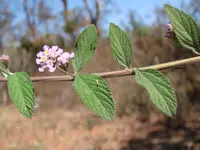
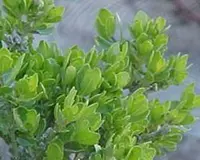
Bushy lippia (Lippia alba) is a perennial shrub from tropical and subtropical America, now grown widely in warm regions for its fragrant foliage. It typically forms a loose, rounded bush with many fine branches and small, softly textured leaves that release a strong lemony or herbal scent when touched.
In the garden or in containers, it grows quickly and responds well to regular pruning, which helps keep the plant dense and compact. Gardeners find it relatively undemanding once established, so learning how to care for bushy lippia mainly involves managing its vigorous growth.
This species prefers sunny positions, moderately moist but well-drained soil, and protection from hard frost, which suits many mild-climate gardens and patios.

Care Difficulty
Easy Care

Light Preference
Full Sun

Water Requirements
Moderate Water

Temperature Preference
Tropical / Frost Sensitive

Hardiness Zone
9–11

Soil Texture
Sandy, Loamy, Organic-rich

Soil pH
Acidic (5.5–6.5), Slightly acidic (6.5–7.0)

Soil Drainage
Well-drained

Fertilization
Minimal (feed rarely)
Scan your plant to receive care tips personalized for your specific plant
Available on iOS and Android
Lippia alba prefers bright outdoor exposure with several hours of direct sun but benefits from some protection in the hottest part of the day.
Watering should keep the root zone lightly moist but never saturated, with brief drying between waterings.
This species thrives in warm, frost‑free conditions and slows noticeably in cool weather.
This species handles a wide humidity range but grows best with moderately moist air.
This aromatic shrub prefers loose, fast-draining soil that does not stay waterlogged.
This species is well suited to container growing when its roots and spreading habit are managed carefully.
Lippia alba responds well to light feeding that supports leafy, aromatic growth without making the plant lanky.
Lippia alba benefits from thoughtful pruning that maintains a compact, productive plant.
Transplanting or repotting Lippia alba keeps roots healthy and supports steady growth in gardens or containers.
Lippia alba is commonly multiplied from vegetative material to keep desired aroma and growth traits consistent.
Lippia alba is frost-sensitive and needs protection in regions with cold winters.

Plant Health Check
Not sure what's wrong with your plant? Check your plant's health inside the app.
This species shows striking chemotype variation, meaning different populations produce very different dominant essential oil components such as citral, linalool, or carvone, which changes the scent from lemony to minty or herbal.
In parts of South America, especially Brazil and Colombia, its leaves are traditionally used in teas and flavorings, where it is known by local names such as erva-cidreira and prontoalívio and valued for its intense lemon-like fragrance.
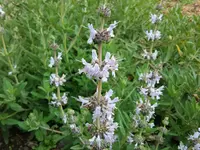
The small white to pale lilac flowers produce nectar that attracts bees and other insects, so established shrubs can function as a useful nectar source in gardens and agroforestry systems in warm climates.

Genetic and chemical studies have shown that what was once treated broadly as Lippia alba actually includes several distinct lineages with different essential oil profiles, and some botanists place it in the related genus Aloysia, reflecting ongoing scientific debate about its precise taxonomic position.
This species can spread quickly through stems that root where they touch soil, especially in warm climates. In garden beds, use edging, containers, or regular trimming to prevent it from overtaking neighboring plants and pathways.
Keep your plants happy and healthy with plant identification, disease detection, and easy care guidance.