coyote bush Care (Baccharis pilularis)

Also known as: Chaparral Broom, Coyote Bush, Dwarf Coyote Brush, bush baccharis
coyote bush

About coyote bush

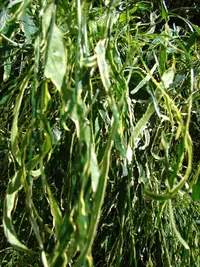
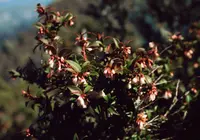
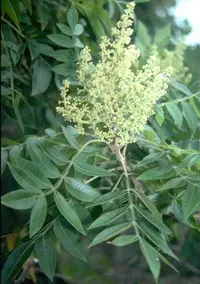
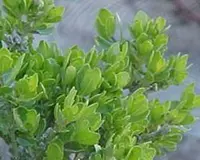
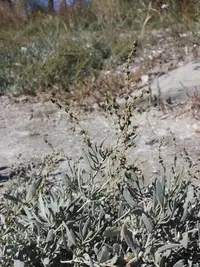
Coyote bush, Baccharis pilularis, is an evergreen shrub native to coastal and inland areas of western North America, especially California. It typically forms dense, rounded mounds with small, tough leaves and a fine, bushy texture.

This plant is widely used for erosion control and habitat restoration because it tolerates wind, salt spray, and poor soils. Once established, it is very drought tolerant and needs little supplemental care.

Coyote bush grows best in full sun with well-drained soil and suits dry, low-maintenance landscapes. Understanding how to care for coyote bush helps gardeners use it effectively in native or waterwise plantings.

Main Plant Requirements

Care Difficulty

Easy Care

Light Preference

Full Sun

Water Requirements

Low Water

Temperature Preference

Cold Hardy

Hardiness Zone

7–10

Soil Texture

Sandy, Loamy, Rocky

Soil pH

Slightly acidic (6.5–7.0), Neutral (7.0)

Soil Drainage

Well-drained

Fertilization

Minimal (feed rarely)

Get Personalized Care Plan

Scan your plant to receive care tips personalized for your specific plant

Available on iOS and Android

How to Care for the coyote bush

This coastal shrub thrives in open, sunny sites but tolerates some shade.

  • Provide 6–8 hours of direct sun daily; full sun promotes the densest foliage and best form in coyote bush.
  • Accepts light or dappled afternoon shade, especially in hotter inland areas, to reduce leaf scorch and summer stress.
  • In winter, low sun is usually sufficient; in deep shade plants grow sparse and leggy, indicating the need for more light exposure.

This drought-tolerant shrub prefers deep, infrequent watering once established.

  • During the first growing season, water when the top 5–8 cm of soil are dry, then soak the root zone thoroughly and let it drain.
  • For established Baccharis pilularis in the ground, rely mostly on rainfall, adding water only after prolonged dry periods and visible leaf droop.
  • Use fast-draining soil; persistent soggy soil, yellowing leaves, or dieback suggest overwatering, while crisp, brown leaf tips indicate underwatering.

This species is adapted to mild, coastal-type climates with moderate temperature swings.

  • Ideal growth occurs around 60–75°F (16–24°C), though the plant remains healthy in a wider range if changes are gradual.
  • Mature plants tolerate brief drops to about 20°F (−6°C); young plants benefit from protection during hard frosts.
  • Handles summer heat up to about 95°F (35°C) if soil is not waterlogged; mulch and occasional deep watering help during extended hot, dry periods.

Humidity is rarely a concern for Baccharis pilularis, which thrives in dry, outdoor air.

This species prefers lean, well-drained mineral soils and tolerates poor, dry sites.

  • Use sandy or gravelly loam with low to moderate organic matter to mimic its native coastal scrub conditions.
  • Ensure very sharp drainage; mix roughly 50–70% coarse sand or fine gravel into native soil for container or raised-bed culture.
  • Aim for slightly acidic to neutral pH, around 6.0–7.5, as strongly alkaline soils can limit nutrient uptake.
  • Avoid compacted, heavy clay or constantly wet soil, which increases root rot risk and reduces oxygen around roots.

This shrub can be grown in containers, but only when managed to control size and maintain stability.

  • Choose a wide, heavy container that resists tipping as the plant becomes woody and spreading.
  • Provide a very fast-draining mix, such as 50% commercial potting mix with 50% pumice or coarse sand, to match its drought-adapted roots.
  • Elevate the pot slightly on feet or blocks so drainage holes stay clear and runoff moves away quickly after irrigation.

Baccharis pilularis is a low-nutrient, drought-adapted shrub that usually needs minimal fertilization in garden soil.

  • In the first 1–2 years, apply a light layer of compost around the drip line in early spring if soil is poor.
  • If additional feeding is needed, use a balanced slow-release fertilizer at half strength once in spring.
  • Avoid summer high-nitrogen feeding, which can cause weak, overly lush growth and reduce drought tolerance.
  • Do not fertilize during winter dormancy; rely on natural soil nutrients unless the plant shows clear deficiency signs.

Pruning Baccharis pilularis helps maintain a dense, stable shape and removes declining wood.

  • Best time is late winter to early spring, before strong new growth begins.
  • Remove dead, damaged, crossing, or congested stems with sharp bypass pruners or loppers.
  • Shorten long, leggy branches to maintain a compact mound or hedge line without cutting into bare wood.
  • Renew older plants by thinning a few of the oldest stems to the base to stimulate vigorous new shoots.

Coyote bush is usually grown in the ground, so focus on careful transplanting rather than frequent repotting.

  • Transplant in late winter to early spring, when temperatures are mild and soil is workable.
  • Move plants when growth slows, roots circle the container, or the root ball dries out very quickly.
  • Choose a sunny site with well-drained soil, planting at the same depth as in the pot and watering deeply once.
  • Reduce root stress by handling the root ball gently, loosening only tightly circling roots, and mulching lightly to conserve moisture.

Baccharis pilularis is commonly propagated from semi-hardwood cuttings or seeds for restoration and landscape use.

  • Take semi-hardwood cuttings in late summer to early fall from healthy, non-flowering shoots.
  • Use 7–10 cm cuttings, remove lower leaves, dip bases in rooting hormone, and place in a moist, well-drained propagation mix.
  • Provide bright, indirect light, high humidity, and stable temperatures around 65–75°F until roots form.
  • Sow fresh seed in fall or early spring in a free-draining medium, keeping it just moist until germination.

Baccharis pilularis is generally cold hardy in mild-winter regions and needs little winter care once established.

  • Tolerates light to moderate frost when planted in well-drained soil and full sun.
  • Apply a 5–7 cm mulch layer around, but not against, the stems in colder areas to buffer root temperature.
  • Container plants in colder climates can be moved to a sheltered, unheated but frost-free space for winter.

Care Tips

Annual hard renewal

Every 3–5 years, cut a portion of the oldest, woody stems back almost to the base in late winter to stimulate dense new growth and prevent the plant from becoming leggy and open.

Sheet-mulch weed control

Before planting, suppress existing weeds by covering the area with overlapping cardboard and 5–8 cm of coarse mulch, then cut planting holes through the layer to reduce future competition around roots.

Slope stabilization use

On banks or slopes, space plants closely (about 60–90 cm apart) in a staggered grid so their root systems interlock and help stabilize soil against erosion as they mature.

Salt and wind buffer

In coastal sites, use this shrub as a front-line windbreak to shield less tolerant plants behind it from salt spray and drying winds.

Wildlife and fuel balance

If using the plant for habitat, allow some stems to flower and set seed for wildlife, but thin and limb up excess growth every 1–2 years in fire-prone regions to reduce fine, dry fuel near structures when growing coyote bush.

Common Pests and Diseases

Cixius nervosus planthoppers

These insects feed on plant sap, causing minor yellowing or stippling on leaves and sometimes a slight decline in vigor on stressed plants.

Solution

Rinse foliage with a firm stream of water to dislodge nymphs and adults, and reduce excess fertilization that creates soft, attractive growth. In heavier infestations, apply an insecticidal soap or a ready-to-use pyrethrin spray in the evening, targeting the undersides of leaves and repeating as needed according to label directions.

Leafhoppers

These insects suck sap from young stems and leaves, leading to pale speckling, slight curling, or marginal browning, especially on new growth.

Solution

Encourage natural predators by avoiding broad-spectrum insecticides, and use a strong water spray to knock leafhoppers off the plant. For persistent problems, apply insecticidal soap or neem oil thoroughly to both sides of the foliage during cooler parts of the day, repeating every 7–10 days until activity subsides.

Soft scale

These insects appear as small, rounded or oval bumps on stems and leaves, producing sticky honeydew that can attract sooty mold on dense or poorly ventilated shrubs.

Solution

Prune out and dispose of heavily infested stems, then gently scrub remaining scale with a soft brush or cloth dipped in water with a small amount of mild soap. For larger shrubs, use a horticultural oil spray during mild weather, coating stems and leaf undersides to smother the insects, and repeat if needed according to product instructions.

Powdery mildew

This disease causes white, powdery patches on leaves and young stems, sometimes leading to distorted growth and early leaf drop in sheltered, humid plantings.

Solution

Improve air circulation by thinning crowded branches and avoid overhead watering late in the day. Remove and discard affected leaves, then, if needed, apply a sulfur or potassium bicarbonate fungicide labeled for ornamental shrubs, covering all foliage and repeating at the interval suggested on the label until new growth remains clean.

Armillaria root disease

This disease, caused by Armillaria fungi in poorly drained or previously infested soils, leads to gradual dieback, reduced vigor, and eventual plant decline, sometimes with dark decayed roots and white fungal mats beneath the bark at the crown.

Solution

Remove and destroy severely affected plants, including as much root material and crown wood as possible, and avoid replanting highly susceptible woody species in the same spot. Improve drainage, avoid overwatering, and select resistant or tolerant natives nearby, as good site selection and soil management are the most effective Baccharis pilularis care instructions against this fungus.

Interesting Facts

Sexes on separate plants

This species is dioecious, meaning individual shrubs produce either male or female flowers but not both, so pollen must move between separate plants for seed production.

Key coastal pioneer

It is one of the first woody shrubs to establish on disturbed coastal sites in California, helping stabilize sandy soils and creating shelter that allows slower-growing native species to follow.

Important insect resource

The small, inconspicuous flowers provide late-season nectar and pollen for many native bees, flies, and butterflies, and the dense branching offers habitat for predatory insects that help control pests in nearby landscapes.

Botan icon

Did you know?

Baccharis pilularis naturally forms dense, low thickets that can significantly reduce surface wind speed near the ground in exposed coastal habitats, creating calmer microclimates that benefit seedlings and small animals in otherwise harsh, windy sites.

FAQs about coyote bush

This species spreads mainly by seed and low, woody stems. In most garden settings it forms dense mounds or low thickets, especially in poor, dry soil. Regular pruning and spacing prevent it from overtopping smaller plants.

Grow Healthy Plants with Botan Care

Keep your plants happy and healthy with plant identification, disease detection, and easy care guidance.

Botan plant care app — identify plants on mobile

Explore More Plants