Rotate For Symmetry
Turn the pot 90° every 2–3 weeks so new shoots develop evenly around the trunk and the canopy keeps a balanced, tree-like form rather than leaning toward one light source.

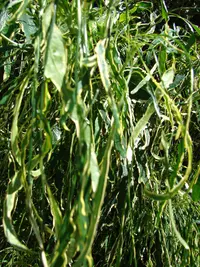
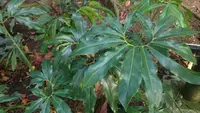
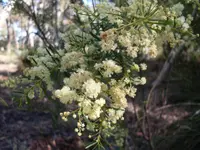
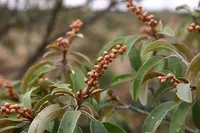
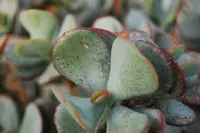
Polyscias filicifolia is a small tropical shrub from Pacific island habitats, grown mainly as a foliage houseplant. It belongs to the Araliaceae family, the same group as schefflera and aralia.
This plant forms upright woody stems with finely divided, fern-like leaves that give it a light, airy look. It tends to stay compact indoors and can be pruned to keep a tidy, tree-like shape.
Polyscias filicifolia prefers warm, stable indoor conditions with bright, filtered light, moderate moisture, and well-drained potting mix. Once its basic needs are understood, it is moderately easy to care for Polyscias filicifolia, though it can react to sudden changes in light, temperature, or watering habits.

Care Difficulty
Moderate Care

Light Preference
Bright Indirect Light

Water Requirements
Moderate Water

Temperature Preference
Tropical / Frost Sensitive

Hardiness Zone
11–12

Soil Texture
Loamy, Peaty, Organic-rich

Soil pH
Acidic (5.5–6.5), Slightly acidic (6.5–7.0)

Soil Drainage
Moist but well-drained

Fertilization
Light (every 4–6 weeks)
Scan your plant to receive care tips personalized for your specific plant
Available on iOS and Android
This plant prefers bright, filtered light and protection from harsh midday sun.
This species prefers evenly moist but never waterlogged soil.
Stable, warm conditions support healthy growth for this plant.
This species benefits from moderately humid air for steady foliage growth.
Polyscias filicifolia prefers a loose, aerated mix that drains quickly yet holds some moisture.
This species adapts well to container growing when the pot supports its woody, upright habit.
This shrub benefits from light, consistent feeding during its active growth but reacts poorly to heavy fertilizer use.
Thoughtful pruning keeps this plant compact, leafy, and well-shaped indoors or in mild outdoor climates.
Container-grown plants appreciate occasional repotting to refresh soil and prevent root binding.
This species is most often multiplied from stem cuttings taken during the warmer growing season.
This plant is frost-tender and needs protection in regions with cold winters or freezing nights.

Plant Health Check
Not sure what's wrong with your plant? Check your plant's health inside the app.
This species forms finely divided, fern-like leaves arranged in flat, layered sprays along its branches, a structure that helps it capture light efficiently under bright but filtered tropical canopy conditions.
In its native range it can develop a woody trunk and upright, branched crown, functioning as a small understorey tree rather than just a foliage shrub, which is why mature specimens often show clearly defined, tree-like architecture in containers as well.
Young plants often show more finely cut, delicate leaf segments, while older stems can produce slightly coarser, less divided leaflets, so a single plant may display noticeably different foliage textures as it ages.
Growth is moderate rather than fast. In stable indoor conditions it usually adds 10–25 cm per year. Cooler temperatures, low light, small pots, or skipped feeding slow it further, while steady warmth and consistent care improve growth.
Keep your plants happy and healthy with plant identification, disease detection, and easy care guidance.