Root zone mulching
Apply a 3–5 cm layer of sterile, composted bark mulch around the root zone, keeping it 3–5 cm away from the trunk, to stabilize soil moisture and protect the shallow feeder roots from heat stress.

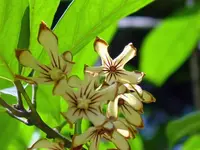
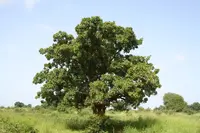
Cola acuminata, often called kola nut or abata cola, is a tropical evergreen tree from West and Central Africa. It belongs to the mallow family, the same group as cacao and hibiscus. Mature trees develop a straight trunk, dense canopy, and glossy, elongated leaves. They produce star-shaped flowers followed by large pods containing bitter, caffeine-rich nuts. In nature, Cola acuminata grows in warm, humid lowland forests with consistent rainfall and filtered light. Its need for stable warmth, high humidity, and space makes it more challenging outside tropical climates. Those wishing to care for abata cola in containers should provide bright, indirect light, evenly moist but well-drained soil, and good protection from cold and dry air.

Care Difficulty
Moderate Care

Light Preference
Partial Shade

Water Requirements
Regular Water

Temperature Preference
Tropical / Frost Sensitive

Hardiness Zone
10–12

Soil Texture
Loamy, Sandy, Organic-rich

Soil pH
Acidic (5.5–6.5), Slightly acidic (6.5–7.0)

Soil Drainage
Moist but well-drained

Fertilization
Minimal (feed rarely)
Scan your plant to receive care tips personalized for your specific plant
Available on iOS and Android
Cola acuminata prefers bright, filtered light similar to a lightly shaded tropical forest edge.
This species prefers evenly moist, well‑drained soil and reacts poorly to both drought and waterlogging.
This tropical tree performs best in consistently warm, frost‑free conditions.
This species prefers consistently moist air and reacts quickly to very dry conditions.
Cola acuminata grows best in deep, well-aerated, organically enriched soil that drains freely but never stays bone dry.
This species can be grown in large containers if the pot allows for a deep, stabilizing root system.
Cola acuminata benefits from moderate, well-timed feeding when cultivated in gardens or containers.
Pruning Cola acuminata focuses on structure, safety, and light penetration rather than heavy shaping.
Cola acuminata is usually grown in the ground, with transplanting most important for young nursery trees.
Cola acuminata is mainly propagated from seed, with success depending on seed freshness and warm conditions.
Cola acuminata is a tropical species and is not frost tolerant, so winter care is essential in cooler climates.

Plant Health Check
Not sure what's wrong with your plant? Check your plant's health inside the app.
The seeds of this species contain a high concentration of caffeine and related compounds such as theobromine, which the tree likely uses as a chemical defense against herbivores and seed predators.
In parts of West and Central Africa, the fresh seeds are traditionally chewed for their stimulating effect and social significance, and are often exchanged in rituals of hospitality and agreement-making.
The tree often bears its flowers and fruits directly on older trunks and main branches, a growth pattern called cauliflory that helps large mammals access and disperse the heavy seeds.

Cola acuminata was one of the original natural sources of caffeine flavoring for early cola beverages, and although most modern soft drinks now rely on synthetic caffeine and other flavor bases, the historical association gave the entire cola drink category its name.
Growth is moderate. In warm, frost-free climates, young trees often add 30–60 cm per year, sometimes more with irrigation and fertilizer. Expect 6–10 years to reach a size suitable for flowering and nut production.
Keep your plants happy and healthy with plant identification, disease detection, and easy care guidance.