Early structural training
In the first 3–5 years, select a single strong leader and remove competing upright shoots to form a stable central trunk that will better support future fruit loads.

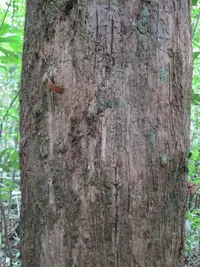
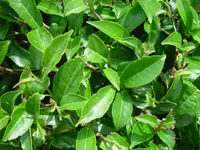
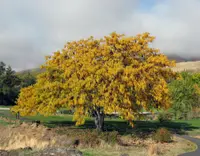
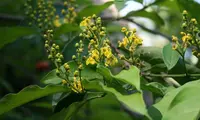
Chrysophyllum prieurii is a tropical evergreen tree from the rainforests of northern South America. It typically forms a medium to large tree with a dense, rounded crown. Leaves are glossy green above and often golden-brown underneath, a trait common in the genus, giving the canopy a two-toned look in shifting light. The tree may produce small flowers and later fleshy fruits, though these are not widely documented in cultivation. It naturally occurs in humid lowland forests, usually on well-drained soils. Due to its size, strict warmth needs, and preference for consistently moist but not waterlogged conditions, it is better suited to experienced growers or outdoor tropical settings than casual indoor culture, so learning how to care for Chrysophyllum prieurii is important before planting.

Care Difficulty
Moderate Care

Light Preference
Partial Sun

Water Requirements
Moderate Water

Temperature Preference
Tropical / Frost Sensitive

Hardiness Zone
11–12

Soil Texture
Loamy, Sandy, Organic-rich

Soil pH
Acidic (5.5–6.5), Slightly acidic (6.5–7.0)

Soil Drainage
Moist but well-drained

Fertilization
Minimal (feed rarely)
Scan your plant to receive care tips personalized for your specific plant
Available on iOS and Android
This tropical tree prefers bright, warm conditions similar to lowland rainforest edges.
This species prefers consistently moist, well-drained soil without long dry spells or waterlogging.
This lowland tropical tree thrives in consistently warm, frost-free conditions.
This species prefers fairly moist air and reacts to prolonged dryness.
This tree prefers deep, well-structured, aerated soil that drains freely yet holds consistent moisture.
This species can be grown in large containers when young or kept smaller, but needs careful pot selection for stability and drainage.
Nutrient inputs support healthy growth and fruiting in Chrysophyllum prieurii, especially in poor soils or containers.
Thoughtful pruning keeps Chrysophyllum prieurii structurally sound and easier to manage in cultivation.
This species is usually field grown, so care focuses on transplanting young trees rather than frequent repotting.
Propagation of Chrysophyllum prieurii is usually done by seed and is considered moderately demanding for home growers.
This tropical tree lacks frost tolerance and needs protection in regions with cool or freezing winters.

Plant Health Check
Not sure what's wrong with your plant? Check your plant's health inside the app.
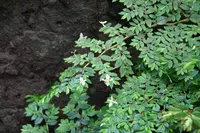
The leaves of Chrysophyllum prieurii often have a dense covering of golden to rust-brown hairs on the underside, which gives the tree its genus name meaning golden leaf and may help protect against intense tropical sunlight and water loss.
This species is native to lowland tropical forests and riverine areas of northern South America, including parts of the Amazon basin, where it grows as a medium to large canopy tree in warm, humid conditions.
Chrysophyllum prieurii belongs to the Sapotaceae, the same family as star apple and sapodilla, and has been involved in several taxonomic revisions, reflecting ongoing research on species limits and relationships within this complex tropical tree group.
This species is evergreen in its native tropical climate, holding foliage year-round rather than dropping leaves seasonally. In marginal or cooler conditions, partial defoliation can occur after stress, but new growth usually follows once conditions improve.
Keep your plants happy and healthy with plant identification, disease detection, and easy care guidance.