mullet honey fungus Care (Armillaria cepistipes)

mullet honey fungus

About mullet honey fungus

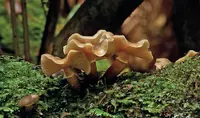
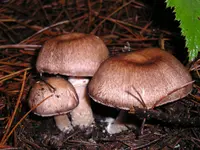
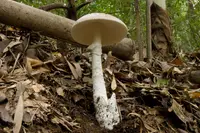
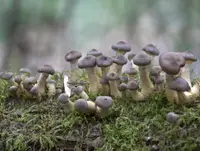
Mullet honey fungus (Armillaria cepistipes) is a wood-decaying mushroom-forming fungus, not a typical houseplant. It usually grows in clusters at the base of trees or stumps. Caps are honey to tan colored, often with small scales, and the stems arise from white, fan-like mats of fungal tissue under the bark.

This species is widespread in temperate regions, including North America and Europe, where it colonizes dead or weakened woody plants. It is valued mainly for ecological and mycological interest rather than ornament. Those who wish to care for mullet honey fungus should understand that it behaves as a natural decomposer and occasionally a weak pathogen, so it is not suited to conventional potted culture.

Main Plant Requirements

Care Difficulty

Moderate Care

Light Preference

Partial Shade

Water Requirements

Regular Water

Temperature Preference

Cool Climate

Hardiness Zone

4–9

Soil Texture

Loamy, Silty, Organic-rich

Soil pH

Acidic (5.5–6.5), Slightly acidic (6.5–7.0)

Soil Drainage

Moist but well-drained

Fertilization

Minimal (feed rarely)

Get Personalized Care Plan

Scan your plant to receive care tips personalized for your specific plant

Available on iOS and Android

How to Care for the mullet honey fungus

Armillaria cepistipes develops best on woody hosts in cool, shaded forest conditions rather than direct open sun.

  • Provide dappled or filtered light under trees, equivalent to roughly 2–4 hours of weak, indirect sun per day, avoiding strong, open exposure.
  • Allow mostly shade during hot midday and afternoon periods; mullet honey fungus tolerates deep shade but fruits more reliably with gentle morning or late-day light.
  • In dry, bright summers, protect colonized wood from direct, drying sun to reduce substrate desiccation, which can limit mycelial spread and fruiting.

Armillaria cepistipes grows in soil and wood that stay evenly moist but not waterlogged around host roots.

  • Aim for consistently moist ground where the top 2–5 cm do not fully dry out, yet avoid standing water, which reduces oxygen and stresses both host roots and fungus.
  • In wetter seasons, monitor for pooling water or a sour smell in the soil, both signs of poor drainage and potential root decline that can alter fungal activity.
  • During extended dry spells, irrigation that lightly soaks the root zone of host trees helps maintain moderate moisture, reducing cracking, shrinking soil, and stalled fungal growth.

This fungus favors cool to mild conditions and shows best development in temperate climates.

  • Optimal growth and fruiting typically occur around 50–68°F (10–20°C), common in cool spring and autumn periods in many temperate forests.
  • Mycelium in wood can tolerate near-freezing conditions down to about 32°F (0°C), but repeated hard freezes below this can slow activity until warmer weather returns.
  • Sustained heat above 77–86°F (25–30°C), especially combined with dry soil, reduces fruiting of Armillaria cepistipes and may limit spread near exposed, sun-baked surfaces.

This wood-decaying fungus prefers consistently moist, humid conditions rather than dry air.

  • Aim for 60–80% humidity around mullet honey fungus colonies, especially in cultivation bags or covered trays.
  • Dry air leads to slower mycelium spread, cracked or leathery fruiting bodies, and caps that fail to expand fully.
  • Increase humidity with misted tenting, closed propagation chambers, or damp perlite trays while still allowing some fresh air exchange.

Armillaria cepistipes develops best in moist, aerated, organic-rich substrates that mimic decaying wood and forest litter.

  • Use a loose mix based on hardwood chips, partly decomposed bark, and leaf mold or compost to provide structure and nutrients.
  • Ensure rapid drainage so water moves through within seconds, preventing stagnant, waterlogged pockets that promote competing molds.
  • Maintain slightly acidic to neutral conditions, roughly pH 5.5–7.0, by avoiding large amounts of lime or strongly alkaline amendments.
  • Improve aeration by incorporating coarse wood chips and keeping particle size varied rather than using fine, compacting sawdust alone.

This species can be grown in containers or bags if they provide stable moisture and space for substrate colonization.

  • Choose deep, rigid containers that hold a thick layer of woody substrate so the mycelium can spread in multiple vertical zones.
  • Drill side and lid holes strategically to balance gas exchange with moisture retention instead of leaving containers completely open or sealed.
  • Place containers on raised grates so drainage holes never sit in standing water, which quickly encourages bacterial and mold contamination.

Armillaria cepistipes usually grows on woody hosts and generally does not require intentional fertilizing in gardens or containers.

Pruning focuses on limiting the spread and structural impact of Armillaria cepistipes rather than shaping it as an ornamental fungus.

  • Inspect trees or shrubs during late winter or early spring to identify branches killed or weakened by infection.
  • Remove dead, decayed, or unsafe limbs back to sound wood using clean, sharp pruning saws or loppers.
  • Disinfect tools between cuts with alcohol or a 10% bleach solution to reduce fungal spread.
  • Avoid heavy canopy thinning that stresses host trees and may increase vulnerability to further infection.

Transplanting focuses on host plants, since this fungus is not typically maintained as a potted specimen.

  • Treat declining, girdled, or heavily infected trees as candidates for removal rather than transplanting, as the fungus persists in roots and soil.
  • If moving a susceptible shrub, select a new site free of known Armillaria history and remove as much old root material as possible.
  • Transplant in cool, mild weather (early spring or fall) to limit heat stress and encourage new root growth.
  • Water deeply after transplanting and maintain even moisture to support host recovery while monitoring for renewed fungal symptoms.

Intentional propagation of Armillaria cepistipes is rarely recommended outside research or specialized cultivation, as it is a pathogenic wood-decay fungus.

This fungus is naturally cold hardy in temperate climates and usually needs no deliberate winter care.

  • In infected landscapes, remove heavily decayed stumps and roots during dormant seasons to lower inoculum in the soil.
  • Avoid piling thick winter mulch directly against trunks of susceptible trees, as prolonged moisture can favor fungal activity.
  • For container-grown woody plants in risky sites, consider moving pots under cover to reduce root stress and moisture extremes.

Care Tips

Use Sterile Substrate

Prepare hardwood-based substrate by pressure-sterilizing or oven-pasteurizing it to minimize competing fungi, which greatly improves colonization success when growing mullet honey fungus.

Control Inoculation Density

Distribute spawn in several small pockets or layers throughout the substrate rather than one thick layer, so the mycelium knits the material evenly and reduces the risk of anaerobic, sour-smelling spots.

Monitor Mycelium Color

Check the developing mycelium regularly and remove or discard any patches that turn gray, black, or show colored molds, keeping only dense white growth to prevent contamination from overtaking the culture.

Provide Structured Support

Arrange vertical sticks or loosely stacked, decorticated hardwood pieces in the fruiting container so developing clusters can form naturally around firm supports and are easier to harvest cleanly.

Adjust Fresh Air Exchange

Once white mycelium fully covers the substrate, increase fresh air gradually by cracking lids or adding filtered vents to encourage normal cap and stem development without excessive drying of the surface.

Common Pests and Diseases

Competing wood-decay fungi

This disease involves other wood-decay fungi colonizing the same substrate as the mullet honey fungus and slowing or displacing its growth. Symptoms include patchy, uneven colonization, off-color mycelium, or unexpected textures or odors in the growing medium or logs.

Solution

Remove and discard sections of substrate that show distinctly different mycelium colors, textures, or strong off-odors, and restart cultures from clean, vigorous spawn where possible. Sterilize or thoroughly pasteurize new substrates, keep tools and containers clean, and avoid mixing old, colonized wood from outdoors with controlled indoor or sheltered cultivation setups when following mullet honey fungus care instructions.

Mites

These insects feed on fungal mycelium and developing fruiting bodies, leaving fine pits, scarring, or a dusty appearance on caps and stems. Symptoms include slowed colonization, deformed mushrooms, and sometimes visible tiny moving specks on the substrate or fruiting bodies.

Solution

Reduce mite populations by removing heavily infested blocks or trays, cleaning the growing area thoroughly, and using fine mesh or well-fitted lids to limit access to the substrate. Maintain good hygiene, avoid storing grain, straw, or other infested materials nearby, and, in professional setups, consider using predatory mites sourced for mushroom production under expert guidance.

Fungus gnats

These insects lay eggs in moist substrate; larvae feed on mycelium and young mushrooms, which can cause weak or distorted fruiting bodies. Symptoms include small flying adults around the growing area and tunneling damage or soft spots in stems and caps.

Solution

Limit fungus gnats by keeping the substrate surface as clean as possible, promptly removing spent blocks and trimmings, and using sticky traps to reduce adult populations. Seal entry points, use well-fitted filters or screens on fresh air inlets, and avoid standing water or overly wet surfaces near the cultivation area.

Bacterial blotch

This disease causes small, water-soaked, greasy or yellow-brown spots on caps and stems, often associated with overly wet surfaces and poor air movement. Symptoms include localized softening of tissue and reduced shelf life of harvested mushrooms.

Solution

Manage bacterial blotch by improving air circulation, reducing direct surface wetting, and keeping humidity high but not condensing on caps. Remove and discard affected mushrooms, disinfect tools and trays between cycles, and avoid handling fruiting bodies with wet or dirty hands or tools.

Green mold contamination

This disease, often caused by Trichoderma species, appears as bright or dark green patches on substrate or casing that overrun and suppress mycelium. Symptoms include stalled colonization, sour or earthy off-odors, and sharply bordered green areas that spread quickly in warm, humid conditions.

Solution

Immediately remove and discard contaminated blocks or trays and clean surrounding surfaces to reduce spore spread. For remaining cultures, improve fresh air exchange, avoid overwatering, and start new batches from clean spawn on properly sterilized or well-pasteurized substrate to reduce the risk of recurring contamination.

Interesting Facts

Weak but opportunistic pathogen

This species is considered a weak or secondary pathogen that typically attacks hardwood trees already stressed by factors like drought, soil compaction, or other diseases, rather than killing healthy hosts outright.

Distinct onion-like bulb

Its name cepistipes refers to an onion-like swelling at the base of the stem in some fruit bodies, a feature that helps distinguish it from other honey fungi in the field.

Preference for hardwood roots

It most often colonizes dead or dying roots and stumps of broadleaf trees such as beech, maple, and birch, contributing significantly to wood decay and nutrient recycling in temperate forests.

Botan icon

Did you know?

In mixed forests, this species can sometimes coexist in the same root system with other Armillaria species, and molecular techniques such as DNA sequencing are often required to confirm its identity because its mushrooms and black rhizomorphs can closely resemble those of related honey fungi.

FAQs about mullet honey fungus

This species spreads very aggressively via underground rhizomorphs and root contacts, often forming large colonies. It can move from stump or dead wood into living trees, so it is considered a serious forest and orchard pathogen.

Grow Healthy Plants with Botan Care

Keep your plants happy and healthy with plant identification, disease detection, and easy care guidance.

Botan plant care app — identify plants on mobile

Explore More Plants