Manure selection
Use well-rotted cow dung pads from unsprayed pasture, as fresh manure or manure contaminated with dewormer residues can inhibit the small cup bodies and delay fruiting when caring for cowpat gem.

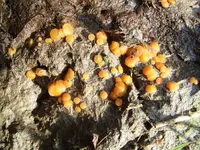
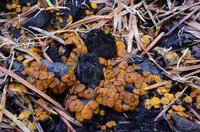
Cowpat gem, Cheilymenia granulata, is a tiny cup fungus rather than a traditional leafy plant. It forms bright orange to yellow discs clustered on well-decayed herbivore dung. The cups are usually only a few millimeters wide but can cover large patches of the substrate.
This species is found mainly in temperate regions, including parts of Europe and North America, where livestock or wild grazing animals are present. It is not typically cultivated indoors, and attempts to care for cowpat gem require consistently moist, nutrient-rich organic material that mimics its natural habitat.
Its specialized growth on animal waste makes it more suitable for fungal enthusiasts and ecological studies than for standard home or garden culture.

Care Difficulty
Moderate Care

Light Preference
Partial Shade

Water Requirements
Keep Soil Moist

Temperature Preference
Cool Climate

Hardiness Zone
Unknown

Soil Texture
Loamy, Silty, Organic-rich

Soil pH
Slightly acidic (6.5–7.0)

Soil Drainage
Moist but well-drained

Fertilization
Minimal (feed rarely)
Scan your plant to receive care tips personalized for your specific plant
Available on iOS and Android
This dung-loving cup fungus thrives in open, bright conditions with stable, moderate sunlight.
This fungus depends on consistently moist, nutrient-rich dung or manure rather than direct watering.
This species favors cool to mildly warm conditions that keep the manure substrate moist without freezing or overheating.
Humidity is rarely a limiting factor for this dung-loving fungus in outdoor conditions.
This species occurs on well-rotted manure rather than typical garden soil, so conditions must mimic that substrate closely.
This fungus is generally unsuitable for ornamental container culture, as it is specialized for decomposing field-applied manure.
This dung-inhabiting fungus naturally grows on nutrient-rich manure and usually needs no additional fertilizer under normal culture.
Cheilymenia granulata does not require pruning in the usual horticultural sense, but spent fruiting bodies can be tidied if desired.
When kept in research or educational culture, this species is handled by renewing its manure-based substrate rather than traditional repotting.
Reproduction of this cup fungus is typically done through spore production on suitable dung rather than by conventional plant propagation methods.
This temperate dung fungus is naturally cold hardy and usually requires no special winter care in outdoor conditions.

Plant Health Check
Not sure what's wrong with your plant? Check your plant's health inside the app.
This ascomycete fungus forms tiny orange cup-shaped fruiting bodies on herbivore dung, helping to break down manure and return nutrients to the soil in pasture ecosystems.
The cups have a distinctly granular outer surface made of small wart-like structures, which helps distinguish this species from other similar-looking dung-inhabiting fungi.
In many temperate regions it is most often recorded on cow and horse dung during the cooler parts of the year, reflecting a preference for mild temperatures and moist conditions on grazed land.
This fungus is best suited to outdoor conditions, as it naturally develops on herbivore dung in open, moist pastures. Indoor environments rarely provide the specific organic substrate and microclimate it needs for reliable growth.
Keep your plants happy and healthy with plant identification, disease detection, and easy care guidance.