Charcoal Eyelash Care (Anthracobia melaloma)

Charcoal Eyelash

About Charcoal Eyelash

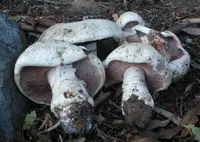
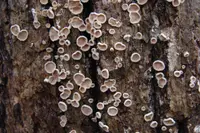
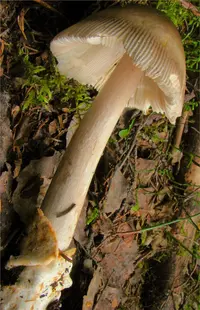
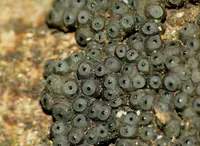
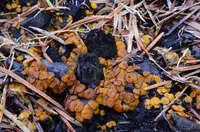
Charcoal eyelash, Anthracobia melaloma, is a small cup fungus rather than a traditional leafy plant. It forms tiny, bright orange to yellow disc-like cups that often appear in clusters. The dark, eyelash-like hairs along the rim give it its common name.

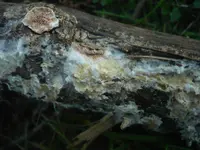
This species usually grows on charred wood or burned soil after forest fires, especially in temperate regions of the Northern Hemisphere. It has a specialized life cycle adapted to disturbed, nutrient-rich, post-fire habitats, which makes it difficult to cultivate at home.

Because it depends on very specific, fire-affected substrates and conditions, attempts to care for Charcoal Eyelash indoors or in gardens are rarely successful.

Main Plant Requirements

Care Difficulty

Hard Care

Light Preference

Partial Shade

Water Requirements

Keep Soil Moist

Temperature Preference

Cool Climate

Hardiness Zone

Unknown

Soil Texture

Loamy, Silty, Organic-rich

Soil pH

Acidic (5.5–6.5), Slightly acidic (6.5–7.0)

Soil Drainage

Moist but well-drained

Fertilization

Minimal (feed rarely)

Get Personalized Care Plan

Scan your plant to receive care tips personalized for your specific plant

Available on iOS and Android

How to Care for the Charcoal Eyelash

This fungus thrives in open, sun-exposed habitats but is sensitive to drying under intense heat.

  • Provide 4–6 hours of direct sun, ideally cool morning sun, with light shade or filtered light during hot afternoons to reduce desiccation risk.
  • Allow scattered partial shade from grasses, moss, or low vegetation, especially in mid-summer, as Charcoal Eyelash can scorch and dry quickly on bare, fully exposed soil.
  • In late autumn to spring, when the sun is weaker and air cooler, full exposure is usually safe and supports fruiting after fire events.

Moisture management focuses on preventing complete drying while avoiding stagnant, waterlogged conditions.

  • Maintain evenly moist, not saturated, ash-rich or sandy soil; allow the top 1–2 cm to dry slightly before adding water if artificially maintaining a habitat.
  • In cultivation or monitored sites, watch for shriveling or pale, collapsing cups as a sign of underwatering, and for slimy, decaying tissue or algae growth as signs of overwatering.
  • Reduce supplemental moisture in cool, wet seasons when rainfall is frequent, and only support Anthracobia melaloma during unusually long dry, hot periods.

This post-fire fungus prefers cool to mild conditions and is sensitive to both hard frost and extreme heat.

  • Optimal fruiting usually occurs around 45–68°F (7–20°C), often in cool seasons following fire, when soil is moist and air temperatures are moderate.
  • Cups tolerate light overnight frosts down to about 28°F (-2°C), but repeated hard freezes can damage or halt fruiting on exposed, burned soil.
  • Sustained heat above 77–86°F (25–30°C) rapidly dries the substrate; fruiting bodies often shrivel sooner, so shelter from hot, drying winds where possible.

This fungus does not require managed air humidity when observed or cultivated experimentally.

Anthracobia melaloma naturally colonizes decaying organic material rather than standard potting soil.

  • Provide a shallow layer of moist, loose, organic-rich substrate made from well-rotted leaf litter, fine bark, and decomposed wood fragments.
  • Ensure the substrate drains freely yet stays evenly moist, avoiding waterlogging or bone-dry conditions that stop fruiting.
  • Aim for slightly acidic to neutral conditions around pH 5.5–7.0, which support the associated decomposer microbes.
  • Improve aeration by mixing in coarse sand or fine horticultural grit so oxygen can reach fungal tissues within the substrate.

This small cup fungus is not well suited to conventional container growing, apart from short-term observation setups.

This fungus does not need feeding; Anthracobia melaloma grows on nutrient-rich, decaying organic matter and gains all required minerals from its substrate.

Pruning is not part of Anthracobia melaloma care, as this species is a small, short-lived cup fungus that naturally appears and disappears on decaying material.

This cup fungus is not suited to typical repotting or transplanting, as it is a wild decomposer that relies on specific decaying substrates.

  • Transplant only if absolutely necessary, moving intact pieces of the colonized substrate rather than handling individual cups.
  • Carry substrate on a flat tray or shallow container to keep moisture and structure stable.
  • Time any move for cool, moist weather to limit desiccation stress on the fungal tissue.
  • Reposition the substrate in a similar light, moisture, and organic-matter environment to support continued growth.

Propagation of Anthracobia melaloma is usually left to natural spore dispersal, and controlled home propagation is unreliable.

No special winter care is required, as this fungus appears opportunistically when conditions suit it and then disappears between fruiting periods.

Care Tips

Decaying Wood Substrate

Establish the fungus on a shallow tray or bed filled with well-rotted hardwood chips or partially decomposed logs, as this mimics its natural saprophytic habitat and supports reliable fruiting bodies.

Ash-Rich Microhabitat

Create a narrow ash band on top of the substrate using a thin layer of cooled, sifted wood ash from untreated firewood, since this species often fruits in mildly alkaline, post-fire or burned ground conditions.

Moisture Pulse Management

Keep the substrate slightly on the dry side, then apply a thorough soak followed by good drainage to simulate natural rain events that often trigger the emergence of Charcoal Eyelash fruiting cups.

Clean Culture Handling

When transferring colonized substrate to new containers or beds, use clean tools and avoid touching the mycelium directly to reduce contamination from competing fungi and bacteria.

Seasonal Fruiting Window

Track local temperature and rainfall patterns, then concentrate observations and any documentation of caring for Charcoal Eyelash in the cooler, moist seasons when this species most often produces visible fruiting structures.

Common Pests and Diseases

Fungal competition

This issue occurs when faster-growing wood-decay or soil fungi outcompete the cups on their substrate, leading to poor or aborted fruiting.

Solution

Remove heavily colonized competing fungal tissue or wood, and provide fresh, clean, well-decayed woody debris that matches its natural habitat. Maintain moderate, stable moisture without waterlogging to favor stable cup formation over aggressive competitors.

Bacterial soft rot

This disease affects the delicate fruiting bodies, which can turn slimy, watery, and collapse quickly in warm, wet conditions.

Solution

Discard and dispose of rotting cups and any obviously contaminated substrate to reduce bacterial load. Improve air movement and avoid excessive surface wetness by adjusting watering or misting so the substrate stays moist but the fruit surface dries between waterings.

Mite grazing

These insects feed on the cup surface and spore-bearing tissue, causing pitting, roughened texture, and reduced spore production.

Solution

Inspect the cups and surrounding substrate with a hand lens and gently flush the surface with a fine stream of water to dislodge mites. If the problem persists, reduce organic debris that harbors mites and use a targeted, low-toxicity miticide labeled for ornamental fungi, following label directions carefully.

Fungus gnat larvae

This pest lives in damp organic substrates and may tunnel through the cup walls and base, causing deformation and premature collapse.

Solution

Allow the upper layer of the substrate to dry slightly between waterings while keeping deeper layers only lightly moist to disrupt larval development. Use yellow sticky traps to capture adults and, if needed, apply a biological control such as Bacillus thuringiensis var. israelensis (BTI) to the substrate according to product instructions.

Interesting Facts

Burned-ground specialist

This cup fungus is strongly associated with recently burned soil and often appears only where vegetation has been removed by fire, making it a reliable indicator of post-fire habitats in temperate regions.

Minute charcoal cups

The fruiting bodies form tiny, shallow cups only a few millimeters across, with a dark, almost black disc that contrasts with their often paler outer surface, giving a distinct charcoal-dusted appearance on ash-rich ground.

Cold-season fruiting

In much of Europe and similar climates, it tends to fruit in the cooler months of late autumn to early spring, taking advantage of moist, open soil surfaces left after disturbance such as burning.

FAQs about Charcoal Eyelash

This species is a tiny fungus that develops best outdoors on charred or fire-affected soil. It does not adapt to normal indoor conditions, pots, or garden beds and is generally unsuitable for decorative cultivation.

Grow Healthy Plants with Botan Care

Keep your plants happy and healthy with plant identification, disease detection, and easy care guidance.


Botan plant care app — identify plants on mobile

Explore More Plants