Cookeina speciosa Care

Cookeina speciosa

About Cookeina speciosa

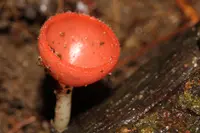
Cookeina speciosa is a cup fungus, not a leafy houseplant. It forms small, brightly colored, goblet-shaped fruiting bodies on decaying wood in humid forests. The cups often appear in clusters and can create striking patches of orange or pink on fallen branches after rain. In nature it is found in tropical and subtropical regions, especially in moist lowland forests. This species needs constant moisture, high humidity, and decaying wood to grow, which makes home cultivation challenging. Anyone wanting to learn how to care for Cookeina speciosa should understand its role as a saprophyte, meaning it feeds on dead organic matter rather than soil nutrients.

Main Plant Requirements

Care Difficulty

Hard Care

Light Preference

Shade

Water Requirements

Keep Soil Moist

Temperature Preference

Tropical / Frost Sensitive

Hardiness Zone

Unknown

Soil Texture

Organic-rich, Loamy

Soil pH

Acidic (5.5–6.5)

Soil Drainage

Moist but well-drained

Fertilization

Minimal (feed rarely)

Get Personalized Care Plan

Scan your plant to receive care tips personalized for your specific plant

Available on iOS and Android

How to Care for the Cookeina speciosa

This cup fungus prefers bright forest-style light that mimics dappled tropical shade.

  • Provide 2–4 hours of soft morning sun with the rest of the day in bright, filtered light under trees or shade cloth.
  • Tolerates partial shade, but dense shade reduces cup size and color intensity in Cookeina speciosa and may slow fruiting.
  • Avoid harsh midday and late afternoon sun, which can dry the substrate quickly and scorch tissue, especially during hot, clear summer periods.

Moist, consistently damp conditions are essential for this wood-dwelling fungus.

  • Keep the substrate or decaying wood evenly moist; allow only the top 0.5–1 cm to lose surface sheen before misting or watering again.
  • Increase moisture during warm, dry, or windy weather, and reduce direct watering in cool, humid periods to prevent stagnant, sour-smelling patches.
  • Signs of excess water include slimy, foul-smelling wood and collapsed cups, while underwatering shows as shriveled, pale cups and dry, cracking substrate.

This species thrives in stable, warm, humid conditions typical of lowland tropical forests.

  • Aim for 70–82°F (21–28°C) for best growth and cup formation, with good humidity and minimal temperature swings.
  • Avoid temperatures below 60°F (16°C), as growth slows sharply, and prolonged exposure under 50°F (10°C) can damage or stop fruiting structures.
  • High heat up to about 90°F (32°C) is tolerated if humidity stays high and the substrate remains moist, but any frost quickly kills exposed tissue.

This cup fungus needs consistently high humidity that mimics a damp forest floor.

  • Aim for 70–90% humidity; it declines quickly in air below 60%.
  • Dry air causes cup edges to curl, fade, and shrivel early.
  • Increase humidity with frequent fine misting, moisture-retentive substrate, and placement near a humid microclimate such as a shaded water feature when caring for Cookeina speciosa.

Provide a loose, decaying-wood-based substrate rather than mineral garden soil.

  • Use a mix of well-rotted hardwood chips, leaf litter, and a small amount of peat or coco coir to hold moisture.
  • Ensure the substrate drains freely yet stays evenly damp; avoid compacted, clay-heavy, or waterlogged conditions.
  • Maintain slightly acidic conditions around pH 5.0–6.5 to support fungal growth and nutrient availability.
  • Improve aeration by mixing in coarse bark pieces so air can move through the substrate while still retaining moisture.

This species can be maintained in containers that simulate a rotting log environment.

  • Choose a wide, shallow container to spread a layer of decaying wood and leaf litter, which supports natural cup clustering.
  • Use a heavy or low-profile pot so the moist, woody substrate does not tip when saturated.
  • Drill extra side holes near the base if needed so excess water can escape without fully drying the decomposing wood matrix.

This cup fungus usually needs no fertilizer when growing on natural, decaying wood substrates.

Pruning is not a typical maintenance task for Cookeina speciosa, as individual fruiting cups are short-lived fungal structures.

Transplanting focuses on moving colonized substrate rather than handling the fungus directly.

  • Shift pieces of well-colonized, decaying wood to a similar shaded, humid location when new cup clusters decline.
  • Transplant during warm, moist periods to reduce shock and drying of the mycelium, the vegetative body of the fungus.
  • Avoid breaking or scraping the wood surface; keep moisture consistent before and after moving to support recovery.
  • Do not disturb frequently; fungal networks prefer stable, undisturbed substrates rather than repeated transplanting.

Propagation of this fungus is specialized and not typically done by home growers.

In climates with cool or dry winters, this tropical fungus simply becomes inactive rather than needing targeted winter care.

Care Tips

Use decaying wood

Place the fungus on well-rotted, pesticide-free hardwood pieces or logs rather than fresh wood, as the partially decomposed tissue is easier for the mycelium to colonize and will produce more reliable fruiting bodies.

Orient for drainage

Mount the substrate on a slight angle or mound it so water runs off instead of pooling in the cups, which reduces the risk of bacterial rot and deformed fruiting bodies.

Maintain microclimate

Create a stable, humid microclimate by placing the colonized wood in a ventilated terrarium or covered bin with side air holes, which helps buffer sudden drops in humidity and temperature when growing Cookeina speciosa.

Gentle harvesting

Cut or pinch the cups at the base without disturbing the wood, leaving the underlying mycelium intact so it can re-fruit from the same substrate over time.

Monitor for competitors

Inspect the substrate regularly and carefully remove any fast-growing competitor fungi or obvious mold colonies with a sterile tool to prevent them from overtaking the slower-growing Cookeina colony.

Common Pests and Diseases

Mite infestation

This pest is occasionally observed on fruiting bodies of wood-decay fungi like Cookeina speciosa, where mites feed on spores and tissue. Symptoms include pitted or roughened cup surfaces and reduced spore production.

Solution

Remove and discard heavily infested fruiting bodies and maintain higher ambient humidity and good air movement around the culture to reduce mite buildup. For cultivation setups, improve hygiene by cleaning shelves and containers, and use fine mesh barriers or sticky traps around the growing area rather than spraying chemicals directly on the cups.

Fungus gnat larvae

These insects often occur in very moist, decaying wood or substrate and their larvae can graze on developing cup tissue and mycelium. Symptoms include distorted or partially eaten young cups and visible tiny black gnats around very damp culture containers.

Solution

Allow the substrate surface to dry slightly between misting while still keeping internal moisture high, and increase airflow to make conditions less favorable for gnats. Remove heavily affected substrate sections, and use fine mesh covers on containers or yellow sticky traps nearby to reduce adult gnat populations without contaminating the fruiting bodies.

Competitive mold contamination

This disease arises when fast-growing molds colonize the same decaying wood or artificial substrate, outcompeting the Cookeina mycelium. Symptoms include fuzzy white, green, or black patches on or around the cups and stunted or misshapen fruiting bodies.

Solution

Physically remove and discard contaminated substrate and any cups directly touched by the mold. Improve hygiene by sterilizing or pasteurizing new substrate, reducing handling, and increasing fresh air exchange while keeping humidity adequate for growing Cookeina speciosa to limit mold spore buildup.

Bacterial soft rot

This disease can affect very wet, handled, or damaged cups, leading to rapid softening and collapse of the tissue. Symptoms include slimy, water-soaked spots, unpleasant odor, and quick disintegration of the fruiting bodies.

Solution

Cut away and dispose of any affected fruiting bodies immediately and reduce direct misting onto the cups to limit surface wetness. Provide better air circulation, avoid touching the cups with unclean tools or hands, and keep tools and containers disinfected to reduce bacterial spread.

Interesting Facts

Tropical cup fungi

This species forms small, brightly colored cup-shaped fruiting bodies on decaying wood in humid lowland forests, especially after rain. The cups collect water and spores, which are then splashed out to aid dispersal.

Pigment-driven colors

The vivid orange to pink or reddish tones are caused by carotenoid pigments similar to those that color carrots and some algae. These pigments can help protect fungal tissues from light damage in exposed microhabitats.

Indicator of humid forests

This fungus typically appears on well-rotted wood in shaded, consistently moist habitats across tropical regions. Its presence often indicates stable, humid forest microclimates with continuous wood decay.

Botan icon

Did you know?

Molecular studies show that species in the genus Cookeina, including C. speciosa, belong to the family Sarcoscyphaceae, a group of cup fungi whose characteristic open, disc- or cup-shaped fruiting bodies have independently evolved similar splash-dispersal strategies in different lineages of ascomycete fungi.

FAQs about Cookeina speciosa

The cups of this fungus are considered edible in some local cuisines when young and clean, but they are not widely eaten. Always confirm accurate identification and avoid polluted substrates before considering any wild fungus for food.

Grow Healthy Plants with Botan Care

Keep your plants happy and healthy with plant identification, disease detection, and easy care guidance.

Botan plant care app — identify plants on mobile

Explore More Plants