Use clean substrate
Disinfect hardwood chips or straw by boiling or baking at 160–180°F for 1–2 hours before inoculation to reduce competing fungi and bacteria that can quickly overwhelm Coprinellus xanthothrix.

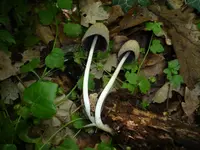
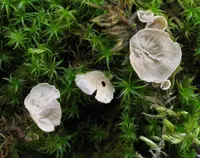
Coprinellus xanthothrix is a small inkcap mushroom, not a green plant, typically appearing on nutrient-rich soil, wood chips, or decaying organic matter. It produces delicate, bell-shaped caps that darken and dissolve into an inky mass as they age, a process called deliquescence.
This species is scattered to locally common in temperate regions, often emerging in clusters after rain in gardens, parks, or woodland edges. It is short-lived and can appear and vanish within a day.
Because it is a saprotrophic fungus, it helps break down organic debris but is not suited to typical houseplant culture. For those who wish to care for Coprinellus xanthothrix, conditions that mimic moist, organic-rich outdoor substrates are usually needed.

Care Difficulty
Hard Care

Light Preference
Shade

Water Requirements
Keep Soil Moist

Temperature Preference
Warm Climate

Hardiness Zone
Unknown

Soil Texture
Organic-rich, Peaty, Loamy

Soil pH
Acidic (5.5–6.5), Slightly acidic (6.5–7.0)

Soil Drainage
Moist but well-drained

Fertilization
Minimal (feed rarely)
Scan your plant to receive care tips personalized for your specific plant
Available on iOS and Android
This saprophytic mushroom prefers low to moderate natural light rather than direct sun exposure.
Moist, well-drained organic substrate is essential for reliable fruiting of this inkcap.
This species fruits best in cool to mild conditions with stable moisture levels.
This fungus prefers consistently moist, humid conditions rather than dry household air.
This species grows on nutrient-rich, decomposing organic matter rather than typical potting soil.
This species can be grown in containers as a substrate-based culture rather than a traditional potted plant.
This saprophytic fungus decomposes organic matter and generally does not need added fertilizer in gardens or containers.
Coprinellus xanthothrix does not require horticultural-style pruning because its fruiting bodies are short-lived and seasonal.
This species is typically managed by adjusting its substrate rather than by classic repotting or transplanting.
Reproduction relies on spores and colonization of fresh organic material rather than standard plant propagation methods.
Outdoor colonies are generally cold hardy and need no specific winter care beyond stable substrate conditions.

Plant Health Check
Not sure what's wrong with your plant? Check your plant's health inside the app.
The caps start pale to yellowish with a granular or powdery coating made of pigmented veil remnants, which helps distinguish this species from other small inkcaps with smoother surfaces.
Its gills begin pale, then turn gray and finally black as the spores mature, undergoing partial autodigestion (deliquescence) that causes the characteristic inky appearance of older fruit bodies.
This saprotrophic fungus grows on nutrient-rich, manured, or disturbed soils, where it rapidly decomposes organic matter and contributes to short-term nitrogen and carbon recycling in the upper soil layer.

Molecular studies have shown that material formerly identified under similar inkcap names actually includes distinct species, and DNA sequencing helped confirm Coprinellus xanthothrix as a separate taxon with its own characteristic yellowish veil granules and microscopic features such as spore size and cystidia shape.
This species is generally considered inedible and is not recommended for consumption. Similar-looking inkcap fungi can be toxic, especially with alcohol. Identification is difficult, so avoid eating it and treat it as for observation only.
Keep your plants happy and healthy with plant identification, disease detection, and easy care guidance.