Container depth choice
Use a wide, watertight container at least 30–40 cm deep so the corms have enough submerged space to swell properly without crowding or deforming.

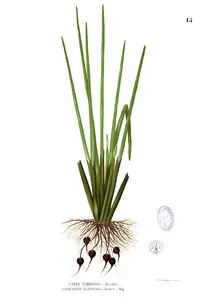
Chinese water chestnut, Eleocharis dulcis, is an aquatic, grass-like sedge grown mainly for its crisp, edible corms rather than its foliage. It forms dense, upright clumps of slender, hollow stems that emerge from underwater rhizomes.
In nature it occurs in warm, shallow wetlands, rice paddies, and ponds, especially in tropical and subtropical Asia. Its need for standing water and warm temperatures is the main factor that influences how easy or difficult it is to grow.
Those conditions make it simpler to manage in outdoor ponds or flooded containers than in standard pots. Anyone learning how to care for Chinese water chestnut should understand its preference for full sun, consistently wet substrates, and rich, muddy soil.

Care Difficulty
Moderate Care

Light Preference
Full Sun

Water Requirements
Aquatic

Temperature Preference
Tropical / Frost Sensitive

Hardiness Zone
9–11

Soil Texture
Loamy, Silty, Organic-rich

Soil pH
Acidic (5.5–6.5), Slightly acidic (6.5–7.0)

Soil Drainage
Waterlogged tolerant

Fertilization
Moderate (every 2–4 weeks)
Scan your plant to receive care tips personalized for your specific plant
Available on iOS and Android
Eleocharis dulcis grows best with strong light that mimics open wetland conditions.
This aquatic species needs consistently saturated conditions rather than typical garden-style watering.
This warm-season aquatic plant thrives in heat but is sensitive to cold and frost.
This aquatic sedge needs very high humidity and constant water saturation to thrive.
Eleocharis dulcis grows best in permanently wet, muck-like soil that mimics shallow pond margins.
This species is suitable for container growing when the container can sit in standing water or a water garden.
Chinese water chestnut benefits from moderate feeding in containers or managed ponds to support strong shoot and corm growth.
Pruning Eleocharis dulcis is mainly hygienic, keeping stands tidy and healthy rather than shaping them.
Transplanting or dividing Eleocharis dulcis is useful to maintain productive clumps and manage space in ponds or tubs.
Expansion of Eleocharis dulcis beds is commonly done by division and replanting of corm-bearing sections.
In mild-winter climates, Eleocharis dulcis survives outdoors if water and soil do not freeze solid.

Plant Health Check
Not sure what's wrong with your plant? Check your plant's health inside the app.
The so-called water chestnuts are actually swollen underground stems called corms, not true nuts or seeds. These corms store starch and allow the plant to survive seasonal drying in its native wetlands of Asia and northern Australia.
The corms stay crisp even after boiling or stir-frying because their cell walls contain unusual phenolic compounds and tightly arranged cell layers that resist softening during cooking. This trait has made them a valued ingredient in Chinese and Southeast Asian cuisine for centuries.
The upright, rush-like stems contain air-filled tissues called aerenchyma, which transport oxygen from above the water surface down to the submerged roots and corms. This adaptation allows the plant to grow in waterlogged soils with very low oxygen levels.

In traditional East Asian agriculture, water chestnut beds are often integrated into rice paddies, with the emergent stems growing alongside rice plants while the corms develop in the flooded, organic-rich soil, creating an efficient use of shallow wetland areas for multiple food crops.
Yellowing foliage often results from insufficient water depth, depleted nutrients, or natural aging of older stems. Check that the container stays consistently flooded, refresh water to avoid stagnation, and provide a balanced aquatic fertilizer if growth seems weak.
Keep your plants happy and healthy with plant identification, disease detection, and easy care guidance.