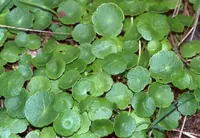
elliptic spikerush Care (Eleocharis elliptica)

Also known as: Capitate spikerush, Slender Spikerush
elliptic spikerush

About elliptic spikerush

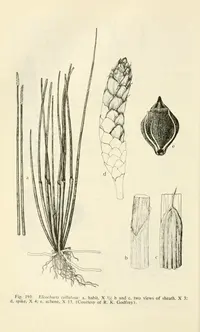
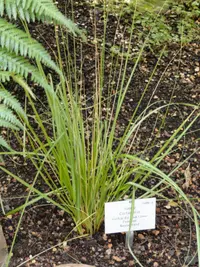
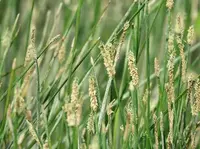
Elliptic spikerush (Eleocharis elliptica) is a small, clump-forming wetland sedge often found along pond margins, marshes, and slow streams. It has fine, upright, leafless green stems that create a soft, grass-like tufted look.

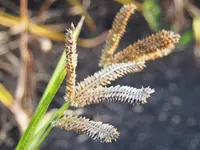
The plant produces tiny, oval spikelets at the stem tips, giving it a clean, minimalist appearance in naturalistic or water garden plantings. It is adapted to cool, moist regions of North America and thrives in consistently wet or shallowly flooded soils.

This species is generally hardy and low-maintenance when kept in the right moisture conditions, but it can decline quickly if the soil dries out. Gardeners who learn how to care for elliptic spikerush usually find it reliable in rain gardens, bog beds, and water features.

Main Plant Requirements

Care Difficulty

Moderate Care

Light Preference

Full Sun

Water Requirements

Aquatic

Temperature Preference

Cold Hardy

Hardiness Zone

3–8

Soil Texture

Loamy, Silty, Organic-rich

Soil pH

Acidic (5.5–6.5), Slightly acidic (6.5–7.0)

Soil Drainage

Waterlogged tolerant

Fertilization

Minimal (feed rarely)

Get Personalized Care Plan

Scan your plant to receive care tips personalized for your specific plant

Available on iOS and Android

How to Care for the elliptic spikerush

This wetland sedge prefers consistent light but tolerates a range of sun exposures in cool to temperate climates.

  • Provide 4–6 hours of direct morning sun with light shade or filtered light in the hottest afternoon hours to prevent leaf scorch.
  • Allow partial shade, especially in warmer regions; 2–3 hours of sun plus bright open shade supports steady growth for elliptic spikerush.
  • Watch for weak, elongated stems in deep shade as a sign of insufficient light, and brown, crisp tips in very intense, all‑day sun.

This species is naturally adapted to saturated soils and shallow standing water.

  • Maintain soil that is consistently saturated; in the ground, aim for the surface to stay glossy-wet rather than allowing the top 1–2 cm to dry out.
  • In ponds or bog gardens, Eleocharis elliptica grows best with the crown at or just below water level, in low-flow, nutrient-moderate conditions.
  • Suspect underwatering if stems flop and soil pulls from the edges; suspect poor drainage or stagnation if water smells sour and stems yellow and collapse.

This cool- to temperate-climate sedge handles a wide outdoor temperature range when established.

  • Optimal growth occurs around 60–75°F (16–24°C), especially during the main growing season in spring and early summer.
  • Tolerates cold down to about 0°F (−18°C) once established, with aboveground parts often browning while rhizomes survive under ice and snow.
  • Endures summer heat up to about 90°F (32°C) if soil stays saturated; combined heat and drying winds increase stress and dieback risk.

This wetland species prefers consistently high humidity and saturated conditions.

  • Aim for 60–90% humidity and keep the root zone very moist to mimic marshy habitats.
  • It tolerates brief dips in humidity if the substrate stays waterlogged, but prolonged dry air plus drier soil causes browning tips.
  • Humidity stress shows as crispy shoot tips and slowed clump expansion, especially in indoor setups.
  • Increase humidity with trays of water around the container or shallow standing water that keeps the crown just above the surface for elliptic spikerush.

Soil for Eleocharis elliptica should mimic shallow, organic-rich wetland substrates.

  • Use a heavy, fine-textured mix such as 60–70% clay or loam garden soil blended with 30–40% peat or coco coir for organic matter.
  • Soil should stay saturated or even submerged, so prioritize water retention over drainage, avoiding coarse, fast-draining sandy mixes.
  • Target slightly acidic to neutral pH around 6.0–7.0, adding peat or leaf mold if existing soil is strongly alkaline.
  • In containers, pack the mix firmly to limit large air pockets, which can dry roots and destabilize the dense, tufted growth.

This species is suitable for container growing, especially in water gardens or pond margins.

  • Choose a wide, shallow container that allows the rhizomes to spread horizontally while keeping the crown close to the water surface.
  • Use sturdy, heavier containers so the clump remains stable in moving water or outdoor wind exposure.
  • If placing the pot within a pond, position it so the rim sits just below water level, which stabilizes moisture while preventing the plant from floating up.

This wetland native needs only light feeding in containers, while in rich, natural soils elliptic spikerush often grows well without added fertilizer.

  • Use a balanced, dilute liquid fertilizer (for example 10-10-10 at 1/4 strength) for potted plants during active growth.
  • Apply every 4–6 weeks in spring and summer when plants are producing new shoots.
  • Skip or greatly reduce feeding in fall and winter, when growth slows or stops.
  • Avoid heavy compost or slow-release pellets that can cause nutrient buildup in constantly wet substrates.

Pruning Eleocharis elliptica is mainly cosmetic and helps maintain a tidy, even stand of stems.

  • Cut back dead, brown, or damaged stems at the base at any time using clean scissors or hand shears.
  • In late winter or early spring, trim patchy or lodging clumps to a uniform height to encourage fresh growth.
  • Thin crowded areas by removing a few stems to improve air flow and reduce rot in dense plantings.
  • Disinfect cutting tools before and after use to limit the spread of fungal or bacterial problems.

This species is more often transplanted within wetland beds or ponds than repotted as a typical houseplant.

  • Plan transplanting for early spring or early fall, when temperatures are mild and soil moisture is high.
  • Move plants when clumps become overly dense, decline in vigor, or spread beyond their intended area.
  • Lift clumps gently, keeping roots and surrounding soil or sediment intact to limit stress and desiccation.
  • Replant at the same depth in a consistently moist or shallowly flooded site, then water thoroughly to settle soil.

Propagation of Eleocharis elliptica is most reliable by division, with seed used mainly in restoration or larger projects.

  • Divide mature clumps in early spring, when new growth just starts, for the best establishment.
  • Lift a portion of the clump and separate it by hand or with a clean knife into several rooted sections.
  • Replant divisions immediately into wet, organic, fine-textured soil and keep constantly moist or shallowly submerged.
  • For seed, sow on the soil surface in trays, keep saturated and exposed to light, and expect slow, uneven germination.

This cold-hardy wetland rush usually overwinters outdoors in much of its native range with minimal intervention.

  • Tolerates freezing conditions in the root zone, especially when crowns remain underwater or in saturated soil.
  • In exposed garden sites, apply a thin mulch around the base to moderate temperature swings and soil heaving.
  • Container-grown plants in very cold regions can be sunk into the ground or moved to an unheated, frost-free space.

Care Tips

Substrate Containment

Grow this rush in a plastic pond basket or perforated pot lined with fine mesh to keep the rhizomes and fine roots contained while still allowing water flow in ponds or bog gardens.


Water Level Management

In ponds, position the container so the crown sits just at or slightly above the water surface, then adjust the shelf or bricks seasonally to keep 0–10 cm of water above the soil as levels fluctuate.

Sediment Refresh Cycle

Every 2–3 years, lift and divide the clump, discard the oldest central portions, and replant young outer sections into fresh, heavy loam to prevent decline from compacted, anaerobic sediment.

Winter Hardiness Support

In cold climates, sink containers deeper into the pond or in-ground bog so the root zone stays below the ice line, or heel pots into the ground and mulch heavily to protect the crown.

Algae And Weed Control

Regularly remove filamentous algae and competing emergent weeds by hand from around the clump so light and nutrients are not diverted, which improves long-term vigor when growing elliptic spikerush.

Common Pests and Diseases

Leafhopper feeding

This pest feeds on the soft, emergent shoots and can cause small pale stippling, distortion, or browning of fine stems. Symptoms include reduced vigor in dense stands, especially in warm, still conditions around ponds or wet containers.

Solution

Rinse foliage with a strong but controlled stream of water to dislodge nymphs, and remove heavily damaged clumps to reduce breeding sites. Encourage predators by avoiding broad-spectrum insecticides in wetland areas, and if needed, use a targeted insecticidal soap labeled for aquatic or marginal plants, keeping spray off open water as much as possible.

Aquatic snails

These insects are not involved; instead, mollusks such as pond snails graze on young shoots and tender culms, leading to uneven, chewed tips and thinning patches. Damage is often most visible on new growth in shallow water or saturated pot edges.

Solution

Hand-pick snails during early morning or evening and reduce hiding places such as dense debris or excess algae. In contained water gardens, use snail traps or introduce natural predators where appropriate, and avoid overfeeding fish to limit organic buildup that supports high snail populations.

Rust fungus

This disease presents as orange to brown pustules or streaks on culms and leaf sheaths, sometimes causing premature yellowing and dieback in dense, humid stands. Symptoms include reduced vigor and patchy thinning where air circulation is poor.

Solution

Remove and discard affected stems and any heavily infected clumps to reduce spore load, then thin surrounding vegetation to improve air movement. Avoid overhead irrigation in cultivated settings, and if disease pressure is high in valuable plantings, consider a labeled fungicide rotation appropriate for sedges and rush-like species, following all aquatic safety restrictions.

Culm blight

This disease causes dark, water-soaked lesions on lower culms that progress to blackened, collapsing stems, often in warm, stagnant water or poorly drained containers. Symptoms include rapid browning and lodging of patches while roots remain in saturated substrate.

Solution

Cut and remove all visibly blighted stems down to healthy tissue and dispose of them away from the water feature or planting site. Improve water movement or drainage, avoid heavy nitrogen fertilization, and in container culture replace overly compacted or foul-smelling substrate with fresh, clean aquatic or bog soil to limit reinfection.

Interesting Facts

Northern wetland specialist

This species naturally occurs in cool, boreal and northern temperate wetlands of North America, often forming small clumps in shallow water or saturated soils along lake margins, fens, and slow streams.

Distinctive elliptic spikelets

It is named for its characteristic elliptic spikelets, the compact flowering structures at the tip of each stem, which are noticeably broader and more oval than those of many other Eleocharis species and help botanists separate it in the field.

Role in shoreline stability

Its dense, fine root and rhizome network binds soft sediments in shallow water zones, where it helps reduce erosion and provides microhabitats for aquatic invertebrates and small fish fry.

FAQs about elliptic spikerush

This species spreads steadily by short rhizomes and dense clumping, but is not usually aggressive in managed gardens. In shallow, consistently wet soil it can form tight colonies, so allow space and edge beds if needed.

Grow Healthy Plants with Botan Care

Keep your plants happy and healthy with plant identification, disease detection, and easy care guidance.


Botan plant care app — identify plants on mobile

Explore More Plants