Manage Water Depth
In ponds or containers, keep the crown just at or slightly below the water surface (0–5 cm), and adjust pond shelves or pot height seasonally so the plant is never submerged too deeply for long periods.

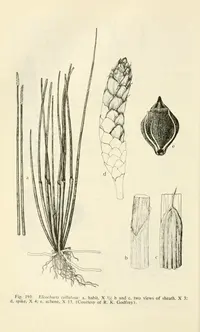
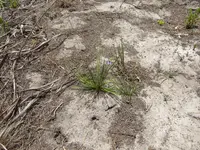
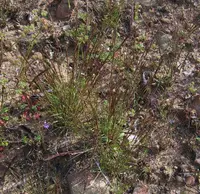
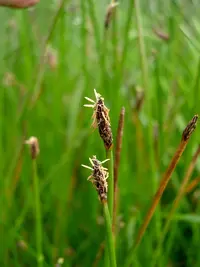
Gulf Coast spikerush (Eleocharis cellulosa) is a clump-forming wetland sedge native to the southeastern United States, Mexico, and parts of the Caribbean. It typically grows in shallow water or very saturated soil, forming dense, upright tufts of slender, leafless stems with small seed heads at the tips.
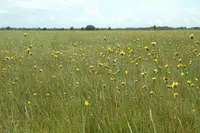
This species is often found in marshes, ditches, pond margins, and coastal wetlands, where it helps stabilize soil and provide habitat for wildlife. It is generally easy to grow if constant moisture and full sun are available, but it does not tolerate drying out. Understanding how to care for Gulf Coast spikerush starts with providing a consistently wet, low-competition environment.

Care Difficulty
Moderate Care

Light Preference
Full Sun

Water Requirements
Aquatic

Temperature Preference
Warm Climate

Hardiness Zone
8–11

Soil Texture
Sandy, Loamy, Organic-rich

Soil pH
Acidic (5.5–6.5), Slightly acidic (6.5–7.0)

Soil Drainage
Waterlogged tolerant

Fertilization
Minimal (feed rarely)
Scan your plant to receive care tips personalized for your specific plant
Available on iOS and Android
This wetland sedge thrives in bright, open conditions with consistent light exposure.
This species is adapted to saturated soils and performs best with constant moisture.
This warm-temperate to subtropical sedge prefers mild to hot conditions and dislikes frost.
This wetland sedge needs very high humidity and constant surface moisture to stay healthy.
This species thrives in saturated, organic-rich substrates that hold water yet allow roots to access oxygen near the surface.
This species is well-suited to container culture, especially in bog gardens and water features.
This wetland sedge needs only light feeding, especially when grown as Gulf Coast spikerush in containers.
Pruning Eleocharis cellulosa is simple and mainly focuses on tidying and maintaining healthy, upright clumps.
This species is usually grown in ponds or wet beds, so transplanting clumps is more common than indoor repotting.
New plants are most reliably produced by division, though seed can also be used for larger restoration-style plantings.
This warm-climate sedge has low frost tolerance and needs thoughtful winter care in colder regions.

Plant Health Check
Not sure what's wrong with your plant? Check your plant's health inside the app.
This sedge is a dominant plant in the Florida Everglades sawgrass marsh–wet prairie ecotone, helping stabilize peat soils and influencing water flow patterns in these shallow wetlands.
It can grow in slightly brackish water as well as fresh marshes, so it often forms dense stands in coastal wetlands exposed to periodic saltwater intrusion.
Its dense culms and rhizome network provide cover for small fish, invertebrates, and juvenile amphibians, and the seeds are eaten by ducks and other waterfowl in southeastern North American marshes.

In the Florida Everglades, this species can form nearly monospecific, floating or loosely rooted mats in very shallow water, creating an unusual, buoyant habitat layer that shifts position with changing water levels and wind.
This species spreads steadily through rhizomes in wet soil and shallow water, forming dense clumps or mats. In small ponds or rain gardens, it can feel aggressive and may need periodic thinning or edging to keep boundaries clear.
Keep your plants happy and healthy with plant identification, disease detection, and easy care guidance.