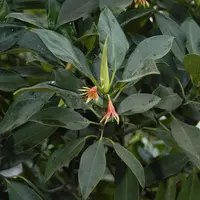
purple spikerush Care (Eleocharis atropurpurea)

purple spikerush

About purple spikerush

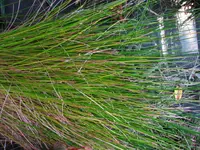
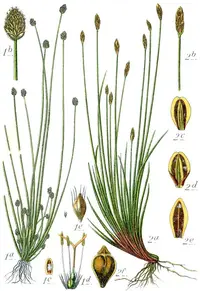
Purple spikerush (Eleocharis atropurpurea) is a small, fine-textured sedge-like plant that forms short clumps or patches of wiry green to purplish stems. It is often used in aquariums, ponds, and very wet garden areas because it tolerates constant moisture and even shallow submersion.

In nature, it occurs in wet meadows, pond margins, rice fields, and other muddy, seasonally flooded sites across many temperate and tropical regions. Its compact size and simple structure make it relatively easy to manage when conditions stay consistently damp.

It prefers bright light, soft water movement, and nutrient-rich, silty or sandy substrates. Once its moisture needs are understood, it becomes straightforward to care for purple spikerush in both outdoor water features and aquarium settings.

Main Plant Requirements

Care Difficulty

Moderate Care

Light Preference

Full Sun

Water Requirements

Aquatic

Temperature Preference

Warm Climate

Hardiness Zone

7–11

Soil Texture

Sandy, Loamy, Organic-rich

Soil pH

Acidic (5.5–6.5), Slightly acidic (6.5–7.0)

Soil Drainage

Waterlogged tolerant

Fertilization

Minimal (feed rarely)

Get Personalized Care Plan

Scan your plant to receive care tips personalized for your specific plant

Available on iOS and Android

How to Care for the purple spikerush

This small rush prefers abundant light to fuel dense, upright growth.

  • Provide 6–8 hours of sun, with morning sun and light afternoon shade; in hotter zones, use filtered light after midday to prevent leaf scorch.
  • Purple spikerush tolerates partial shade (around 4 hours direct sun) but may grow looser and less compact with fewer stems.
  • In summer, monitor for bleaching or crispy tips that signal too much intense sun; in winter, avoid deep shade from buildings or evergreens that keeps sites dim all day.

This semi-aquatic species prefers consistently wet conditions rather than fluctuating dryness.

  • Maintain soil that stays saturated or very moist; in garden beds or pond margins, the surface should never dry out or crack.
  • Adjust frequency by season: in hot weather, add water whenever the surface film begins to lose its sheen; in cool months, top up less often but still prevent exposed soil from drying.
  • Watch for stress signs: yellowing, limp, or collapsing stems often indicate underwatering, while foul smell or black, mushy roots point to stagnant, oxygen-poor conditions around Eleocharis atropurpurea.

This species thrives in mild to warm conditions but has useful cold tolerance.

  • Aim for 65–80°F (18–27°C) during active growth for steady, upright shoots and healthy root development.
  • Plants tolerate down to about 25–30°F (-4 to -1°C) once established, but repeated hard freezes or frozen standing water can thin clumps or kill young plants.
  • In hot summers above 90°F (32°C), growth may slow; maintain constant moisture and avoid complete drying, as heat plus drought stresses and can brown tips.

This wetland sedge prefers consistently high humidity similar to marshy edges of ponds.

  • Aim for 60–90% humidity, as purple spikerush thrives where air and substrate stay moist together.
  • Dry indoor air causes browning tips, slowed growth, and fine leaves collapsing or crisping.
  • Raise humidity by using trays of water around the pot, grouping plants near aquatics, or partially submerging the container in a shallow water basin.

This species prefers permanently wet, fine-textured, organic-rich substrate rather than standard houseplant potting mixes.

  • Use a mix of 50–70% peat or coco coir with fine sand or loam to create a dense, mud-like structure that holds water.
  • Keep drainage very slow or absent; many growers use saucer-style trays or pond baskets that allow the soil to stay saturated.
  • Maintain pH around 6.0–7.0; mildly acidic to neutral waterlogged conditions suit Eleocharis atropurpurea well.
  • Avoid coarse, fast-draining, bark-heavy mixes, as these dry quickly and reduce the anoxic, marsh-like layer this sedge prefers.

This sedge is suitable for container growing, especially in water gardens, ponds, or very wet pots.

  • Choose a wide, shallow container so the fine, spreading roots can form a dense mat without deep soil layers going sour too quickly.
  • Use solid or minimally perforated pots placed inside larger water-filled containers to keep the substrate constantly saturated but stable.
  • Select heavier materials like ceramic or clay to prevent light pots from floating, tipping, or shifting when kept in shallow water features.

Nutrient needs are modest, but targeted feeding supports compact, fresh growth in purple spikerush grown in containers or poor substrates.

  • Use a balanced liquid fertilizer (such as 10-10-10) at 1/4–1/2 strength for container plants in nutrient-poor media.
  • Feed every 4–6 weeks during the active growing season, once water temperatures are consistently mild.
  • Avoid fertilizing in late fall and winter, when growth naturally slows or stops.
  • Choose slow-release aquatic or low-phosphorus pellets if grown in water features, placing them away from direct root tips.

Light pruning keeps Eleocharis atropurpurea tidy and supports healthy, dense clump formation.

  • Best time for pruning is early spring or after a strong flush of growth during the growing season.
  • Use clean, sharp scissors to remove dead, yellowing, or mechanically damaged stems at the base.
  • Thin out weak, crowded, or shading stems to improve light penetration and air movement within the clump.
  • Shaping should stay minimal; avoid cutting all stems at once to prevent temporary setback in growth.

This plant is often grown in shallow aquatic setups, so transplanting is more common than traditional repotting.

  • Transplant when clumps outgrow their space, show dense root mats circling a container, or growth slows despite adequate light and water.
  • Best timing is in spring or early summer, when water and air temperatures are stable and new roots establish quickly.
  • Typical frequency is every 1–2 years in containers, dividing and replanting sections into fresh, fine aquatic substrate or rich loam.
  • Gently loosen roots, keep them submerged or consistently moist during handling, and trim only broken roots to reduce stress.

New plants are most reliably produced by division, though seed can also be used for larger-scale propagation.

  • Divide mature clumps in spring, when active growth starts and water temperatures begin to warm.
  • Lift the clump, then separate into small sections with healthy roots and several shoots each, using fingers or a clean knife.
  • Replant divisions into shallow, fine-textured substrate and keep water levels stable to maintain constant moisture.
  • For seed, sow very shallowly on consistently wet soil under bright light and mild warmth, avoiding drying out.

In many mild to moderate climates, this species is reasonably cold tolerant and needs only limited winter attention.

  • In zones with light frost, submerged or bog-grown plants usually overwinter without extra measures if water does not freeze solid.
  • Apply a thin mulch over soil-based plantings in cold regions to buffer rapid temperature swings around the root zone.
  • Move small containers indoors to a cool, bright, frost-free area where the root zone stays consistently damp but not stagnant.

Care Tips

Shallow Water Setup

Use a wide, shallow tray or basin with 2–5 cm of water above the substrate to mimic natural shorelines and keep the dense root mat evenly hydrated without deep anaerobic zones.


Divide Dense Clumps

Every 6–12 months, lift and gently tease apart thick clumps into smaller sections to maintain vigor, prevent self-shading, and create a more uniform carpet effect.

Substrate Edge Management

Trim or gently pull back runners that creep onto hardscape or container edges so the stand stays dense and tidy, which also improves water flow and light penetration to inner shoots.

Seasonal Height Control

In outdoor or pond setups, lightly shear taller stems in late spring or midsummer to keep growth compact, encourage fresh shoots, and prevent the planting from becoming floppy.

Fine Debris Removal

Periodically rinse or siphon fine silt from the plant base to keep the lower stems from being buried, which supports healthy oxygen exchange around the roots when growing purple spikerush.

Common Pests and Diseases

Aquatic snails

These pests feed on soft new shoots and can clip or shred fine stems, reducing overall density of the clump.

Solution

Manually remove snails during maintenance, use physical barriers like fine mesh on water inlets, and reduce excess organic debris where they hide; in outdoor or pond settings, introduce natural predators such as small snail-eating fish if compatible with the setup.

Algae overgrowth

This problem occurs in nutrient-rich, stagnant water and can shade out the plant, weaken growth, and limit oxygen movement around the roots.

Solution

Decrease fertilizer input, increase water circulation, and perform partial water changes; in ponds or aquaria, physically remove algae films and mats, and provide moderate shade so the plant receives light without encouraging heavy algal blooms, which is key for stable Eleocharis atropurpurea plant care.

Fungal leaf blight

This disease appears in overly crowded, poorly ventilated stands, where symptoms include browning and collapse of fine stems from the tips downward.

Solution

Thin dense patches to improve water movement and airflow, remove and discard affected clumps, and avoid overhead splashing from contaminated water; in persistent cases, apply an aquatic-safe fungicide according to label instructions and maintain cleaner, less organic-rich substrates.

Bacterial soft rot

This disease develops in warm, stagnant, organic-rich water, leading to soft, foul-smelling basal tissue and rapid collapse of shoots near the substrate line.

Solution

Remove and discard all affected sections, siphon out decomposing organic matter, and improve water turnover; replant healthy divisions in clean, well-rinsed substrate and avoid overstocking fish or heavy feeding that raises organic load.

Interesting Facts

Tiny annual sedge

This species is a very small annual sedge, often only a few cm tall, that completes its entire life cycle within a single growing season in shallow, periodically wet habitats.

Purple-tinged spikelets

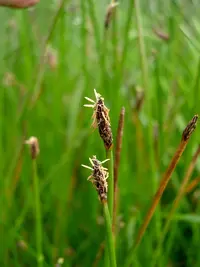
Its spikelets often show a distinct dark purplish to reddish-brown coloration, which is the feature behind the name atropurpurea, meaning dark purple.

Cosmopolitan distribution

The plant occurs on multiple continents, including the Americas, Europe, Asia, Africa, and Australia, typically in muddy shores, rice paddies, and compacted wet soils that are periodically flooded and exposed.

FAQs about purple spikerush

This species grows best outdoors in consistently wet or shallow-water sites such as pond margins, bog gardens, or wet containers. Indoors it is difficult to provide enough light, humidity, and stable moisture, so growth is usually weaker.

Grow Healthy Plants with Botan Care

Keep your plants happy and healthy with plant identification, disease detection, and easy care guidance.


Botan plant care app — identify plants on mobile

Explore More Plants