Water Level Management
In containers or pond baskets, mark an ideal waterline on the side and top up to that mark rather than guessing, which keeps roots consistently submerged without drowning the crowns.

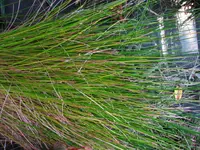
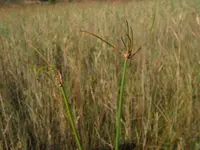
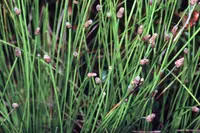
Bald spikerush (Eleocharis erythropoda) is a small, clumping sedge-like plant typically found along the edges of ponds, ditches, and wet meadows. It forms tight tufts of fine, leafless green stems that create a soft, grassy look.
This species is native to North America and naturally grows in consistently moist to shallowly flooded soils. It prefers full sun and wet, low-competition sites, which makes it well suited to water gardens, rain gardens, and naturalistic pond margins.
For those learning how to care for bald spikerush, its main requirement is reliable moisture, as drying out is the most common cause of decline.

Care Difficulty
Moderate Care

Light Preference
Full Sun

Water Requirements
Aquatic

Temperature Preference
Cold Hardy

Hardiness Zone
3–9

Soil Texture
Loamy, Silty, Organic-rich

Soil pH
Acidic (5.5–6.5), Slightly acidic (6.5–7.0)

Soil Drainage
Waterlogged tolerant

Fertilization
Minimal (feed rarely)
Scan your plant to receive care tips personalized for your specific plant
Available on iOS and Android
This marsh species thrives with abundant light that supports dense, upright growth.
This wetland plant prefers saturated conditions and performs best when soil moisture is consistently high.
This species is a cool- to warm-temperate wetland sedge with good tolerance to seasonal shifts.
This species prefers consistently high humidity similar to wetland margins.
This wetland plant needs saturated, low-drainage substrate rather than standard potting soil.
This species is well suited to container growing, especially in water gardens and bog setups.
This wetland sedge needs only light feeding, especially when grown in nutrient-poor containers.
Pruning Eleocharis erythropoda is minimal and focuses on keeping the clump tidy and healthy.
This sedge is more often transplanted in garden or pond settings than repotted as a houseplant.
Propagation of Eleocharis erythropoda is straightforward through division of established clumps.
This species is generally cold hardy in much of its native range and needs little special winter care outdoors.

Plant Health Check
Not sure what's wrong with your plant? Check your plant's health inside the app.
This species is naturally distributed across much of North America, where it typically occupies shallow, seasonally flooded depressions, pond margins, and wet meadows rather than deep water habitats favored by some other Eleocharis species.
The species name erythropoda refers to its reddish lower stems and spikelet bases, a field character that helps distinguish it from closely related bald spikerushes with greener culms.
Like many rushes and sedges, this plant transports oxygen from its shoots down into its roots, which helps it tolerate waterlogged soils and can improve sediment micro-conditions for certain wetland microorganisms.
This sedge spreads mainly by short rhizomes and dense clumping. It forms tight colonies but is not usually strongly invasive. In small ponds or containers, occasional division and trimming of outer clumps keep it within bounds when growing bald spikerush.
Keep your plants happy and healthy with plant identification, disease detection, and easy care guidance.